

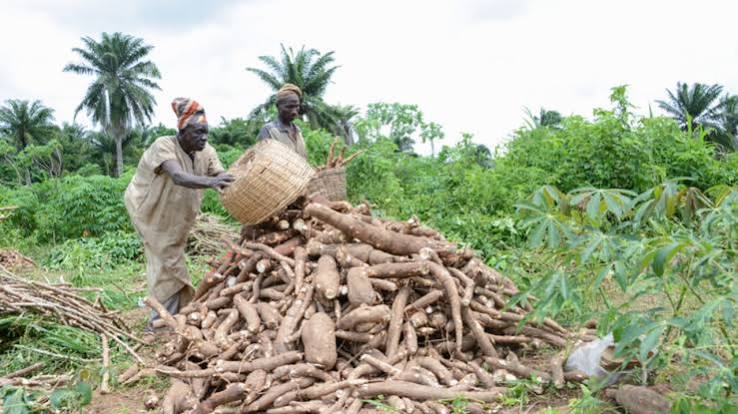
Nigeria remains the world’s largest cassava producer, with annual output exceeding 60 million metric tonnes, according to figures cited in industry reports. However, the country exports only a small proportion of its production, leaving considerable room to expand processing, value addition and access to international markets.
At the forum, Beketin Taiwo Olubukola, Director of Planning, Monitoring and Evaluation at the Agricultural Development Programme, highlighted several products that could help farmers and processors earn more from cassava. These include industrial starch, high-quality cassava flour, ethanol, biofuels, animal feed and cassava peels.
She also pointed to the export potential of familiar Nigerian foods such as garri, fufu and tapioca, provided they meet the quality, packaging and regulatory requirements of target markets.
Olubukola urged farmers to adopt improved farming practices, including proper land preparation, the use of high-yielding cassava stems, organic fertiliser and effective pest and disease management. She also encouraged the use of appropriate technologies to improve productivity and crop quality.
Christiana Akpan, Bayelsa State Coordinator of the Federal Ministry of Agriculture and Food Security, spoke on ways to increase cassava yields through good agricultural practices in riverine communities affected by environmental challenges.
Her presentation examined the importance of cassava to the local economy, the difficulties associated with farming in riverine areas, the effects of oil exploration and the growing impact of climate change.
Akpan called for stronger support for cassava farmers, saying government agencies and oil companies operating in the region both have roles to play in supporting agricultural production and helping farmers cope with environmental pressures.
Welcoming participants, NEPC Bayelsa State Coordinator Sylvia Adeneye described cassava as an important commodity with the potential to strengthen food security, create employment, support industrial development and generate foreign exchange.
She stressed that processing cassava into flour, starch, chips and other industrial raw materials could create opportunities in both domestic and international markets beyond the crop’s traditional use as food.
A practical highlight of the forum was the distribution of cassava stems to organised farmers’ groups. The initiative was intended to provide direct support to producers and encourage them to apply the farming techniques discussed during the event.
The NEPC’s engagement comes as Nigeria seeks to broaden its non-oil export base. Industry experts have repeatedly noted that increasing production alone is not enough to build a competitive export sector; reliable processing capacity, consistent quality, suitable packaging, market access and compliance with destination-country standards are also essential.
For Bayelsa farmers, developing these parts of the cassava value chain could help turn the crop’s production potential into more sustainable income and wider economic opportunities.
Reporting by TalkNaija Media




Reader Comments (0)
No comments yet. Be the first to share your perspective on this report.