


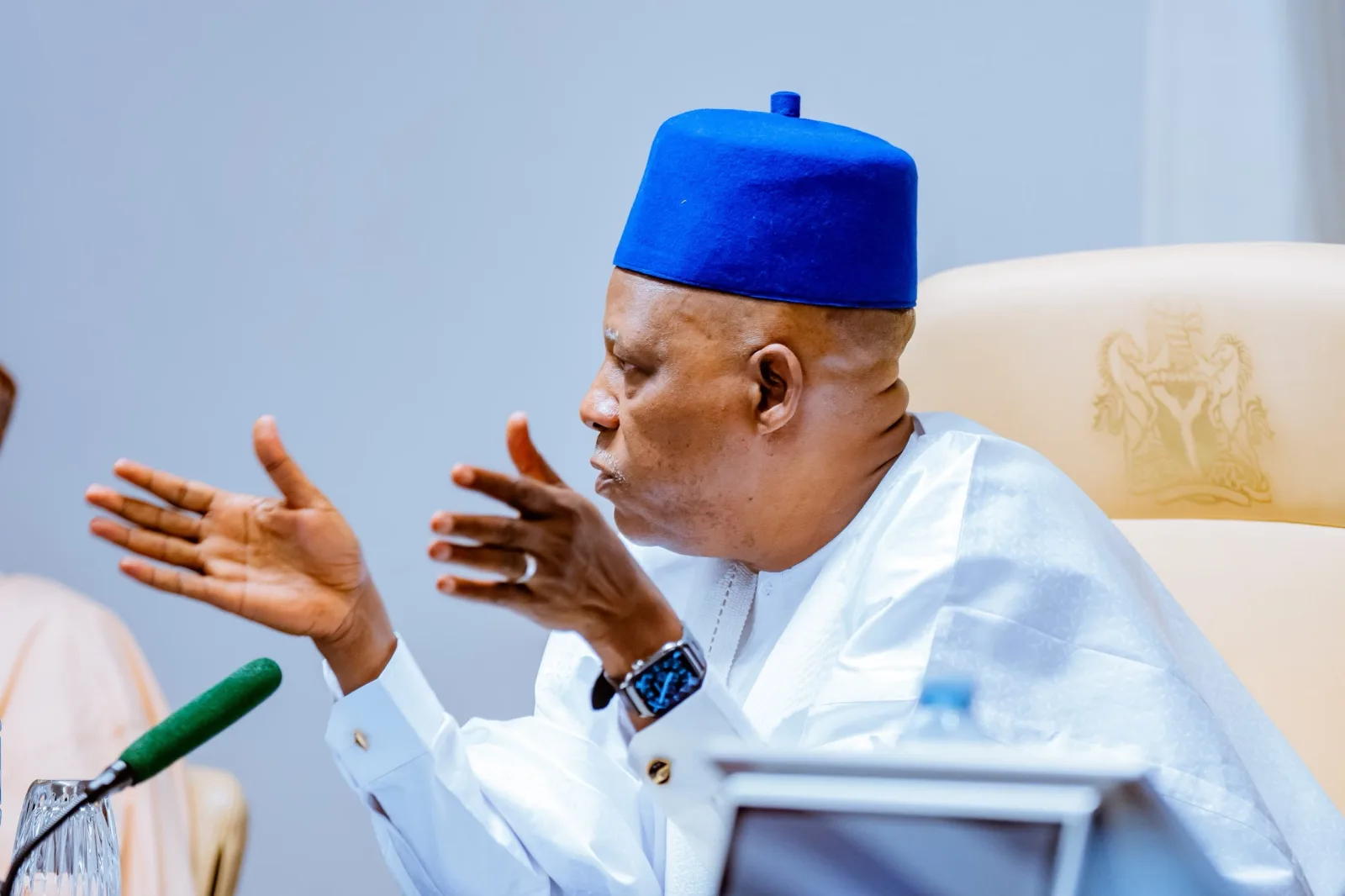
Hamzat said the strategy was designed to improve local food supply while making the movement of agricultural produce from farms to markets more efficient and affordable.
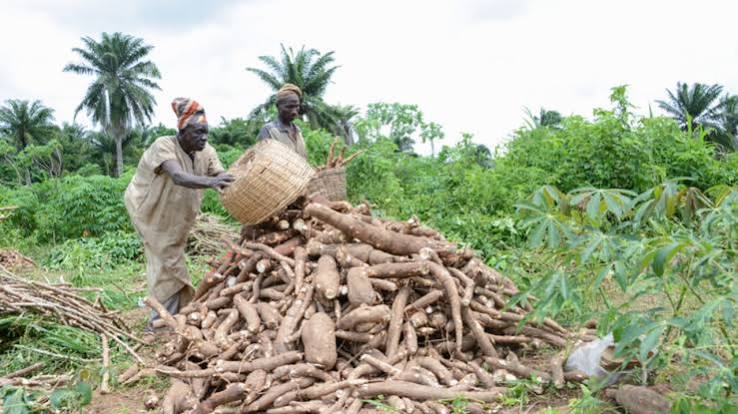
He explained that achieving food security would require more than increasing farmland, stressing the importance of improving productivity on existing land, expanding processing capacity and reducing waste across the food supply chain.
The deputy governor said the state was also working to improve how it sources food from other parts of Nigeria while strengthening its own agricultural capacity.
According to the government, the roadmap focuses on infrastructure and market development, food production and processing, human capital development, innovation and support for farmers.
A major part of the plan is the development of a central food security and logistics hub at Ketu-Ereyun in Epe, alongside intermediate agricultural produce hubs and last-mile distribution networks intended to connect farmers more efficiently with consumers.
The initiative is expected to reduce unnecessary intermediaries, limit post-harvest losses and improve the availability of food across the state.
Reports on the programme indicated that the first phase of the central logistics hub was at an advanced stage, while facilities at Abijo in Ibeju-Lekki and Dairy Farm in Agege had been commissioned. Construction was also reported to be ongoing at Opebi in Ikeja and Bombata on Lagos Island.
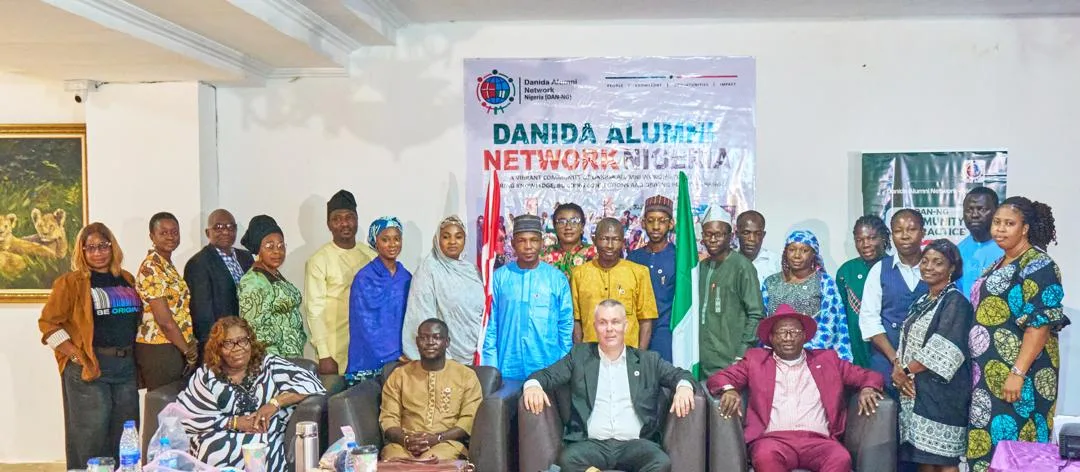
The state government has also renewed its partnership with the BATN Foundation as part of efforts to improve farmers’ livelihoods and strengthen the agricultural value chain.
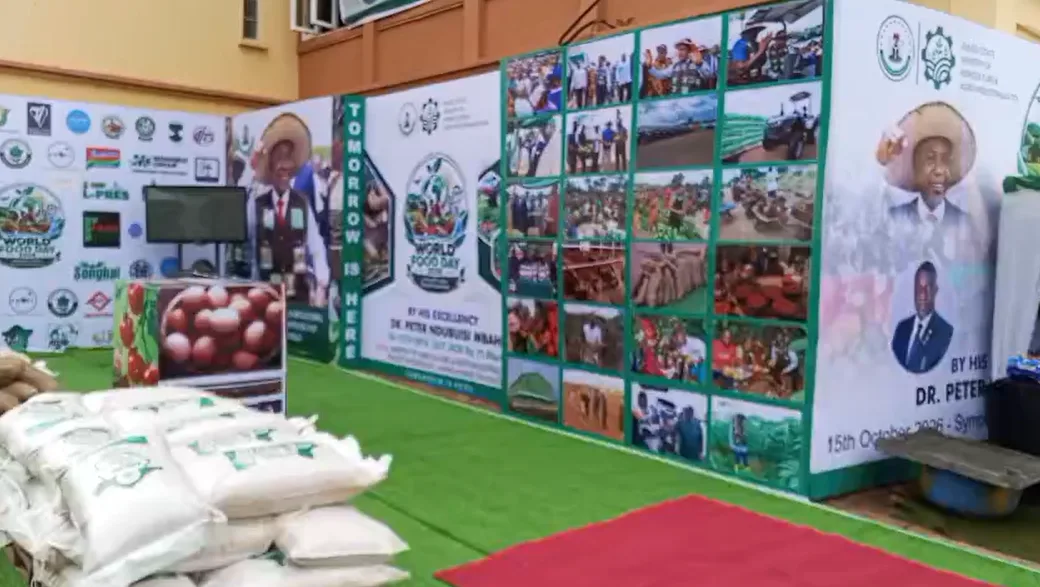
Commissioner for Agriculture and Food Systems Abisola Olusanya said the government had been investing in agricultural training, mechanisation, food processing, livestock development, aquaculture and distribution.
She explained that agriculture must be treated as a connected system involving farmers, processors, traders, logistics providers, financial institutions and consumers if the state is to achieve sustainable food security.
Olusanya’s position reflects the government’s approach of addressing challenges beyond production, including storage, transportation, processing and market access, which can influence food prices and the amount of produce that reaches consumers.
The BATN Foundation said its partnership with the Lagos State Government had improved the livelihoods of more than 4,000 smallholder farmers since 2019 and engaged over 10,000 shoppers, while helping participating farmers generate millions of naira in income.
Speaking at the celebration, the foundation’s Board Director, Ruth Owojaiye, said collaboration between government and development partners could create economic opportunities for farmers and agripreneurs while strengthening connections across the agricultural value chain.
Owojaiye also disclosed that the foundation had invested more than ₦5 billion in empowerment initiatives and reached over 1.9 million beneficiaries through programmes that include agricultural training, support with farming inputs and improved access to water.
She called for sustained investment in women, young people, rural communities and smallholder farmers, particularly through improved access to knowledge, resources, technology and partnerships.
Lagos’ target of raising food self-sufficiency to 40 per cent places greater emphasis on increasing local output while improving the infrastructure needed to move food efficiently from farms to markets. The extent to which the target is achieved will depend on implementation of the roadmap and the effectiveness of the planned production, processing and distribution initiatives.
Reporting by TalkNaijaMedia

Reader Comments (0)
No comments yet. Be the first to share your perspective on this report.