

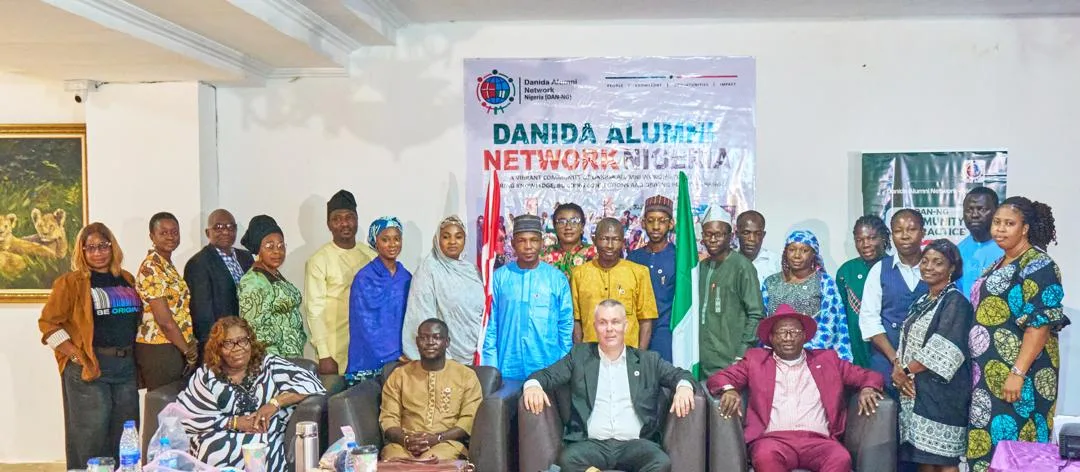
Akujobi said the programme had provided training in food and feed safety, animal disease surveillance, antimicrobial resistance, climate adaptation and veterinary regulation. She described the partnership as an important part of efforts to improve livestock productivity, strengthen food and nutrition security, create jobs and increase Nigeria’s competitiveness in international markets.
She also highlighted the signing of a Letter of Intent on June 7, 2026, for the second phase of the livestock cooperation programme. The agreement, signed by Nigeria’s Federal Ministry of Livestock Development and Denmark’s Ministry of Food, Agriculture and Fisheries, is expected to build on earlier interventions and support more practical improvements across the livestock value chain.
According to Akujobi, the first phase focused on feed management and control, animal health management, and farm and animal registration. These measures are intended to improve productivity, strengthen oversight and support safer, more environmentally sustainable livestock production.
She also pointed to the launch of a joint antimicrobial resistance pilot programme in Oyo and Kano states. The initiative is expected to strengthen disease monitoring, encourage responsible use of veterinary medicines, improve data collection and promote cooperation among relevant institutions.
Akujobi said further collaboration could cover veterinary medicine regulation, food safety, animal traceability, feed management, disease prevention and biosecurity. She emphasised the importance of a coordinated One Health approach, bringing together institutions responsible for animal health, human health and food safety.
The permanent secretary urged members of DAN-NG to use their professional experience and international exposure to support national development. She said the network could help promote knowledge-sharing, mentorship, innovation and evidence-based policymaking while building stronger links between Nigerian institutions and international partners.
She also assured the alumni network that the ministry was open to professional exchanges, technical cooperation and knowledge-transfer initiatives that could help address challenges in the livestock sector.
Speaking on behalf of the Royal Danish Ambassador to Nigeria, Henrik Stroh, a representative of the Danish mission said the partnership was intended to translate professional training into measurable improvements in public institutions and national development.
He referred to Denmark’s 2024 strategy, Africa’s Century, which promotes partnerships with African countries through areas including trade, investment, green transition, education, innovation and institutional cooperation.
He said Nigeria remained an important partner in the strategy and noted that the livestock cooperation programme was supporting work on food safety, risk-based inspections, traceability, animal health and antimicrobial resistance.
The Danish representative stressed that the value of the programme should not be judged only by the number of officials trained, but also by how effectively participants apply their knowledge in their workplaces. He encouraged alumni to document practical results, share lessons with colleagues and identify ways to improve institutional performance.
He added that the network’s four Communities of Practice could provide a platform for professional exchange, collaboration and the development of practical solutions. He also encouraged members to agree on achievable priorities, specific activities and clear responsibilities for the network’s work over the following year.
Earlier, DAN-NG National Coordinator, Mrs Eucharia Ebere Ezeudegbunam, described the ceremony as an opportunity for Nigerians who had benefited from Danida scholarships, fellowships and capacity-development programmes to contribute more effectively to national development.
She said the network brings together professionals working in agriculture, health, education, climate change, governance and entrepreneurship, with the shared objective of applying their knowledge to practical challenges facing the country.
Ezeudegbunam thanked the Danida Fellowship Centre in Denmark for supporting the network’s development, including the establishment of its Sounding Board in 2025. She also commended the Royal Danish Embassy in Nigeria for supporting the initiative and strengthening engagement with alumni.
She said her vision was to build a professional network whose expertise would be useful to government ministries, departments and agencies, while encouraging members to collaborate on solutions that deliver tangible development outcomes.
The ceremony brought together Danida programme alumni, government officials and development partners to discuss how international training and cooperation could be converted into practical benefits for Nigeria.
The renewed partnership comes as Nigeria seeks to improve livestock production, strengthen animal disease control and food safety systems, and build a more resilient agricultural sector.


Reader Comments (0)
No comments yet. Be the first to share your perspective on this report.