

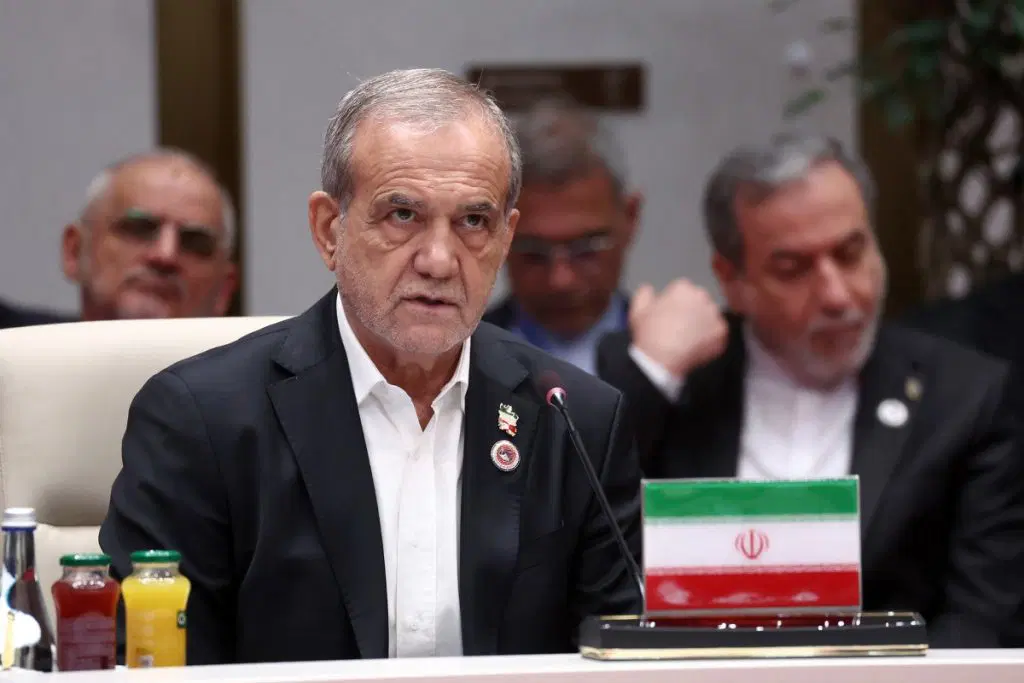
“We will not allow US military ships in the Persian Gulf under any circumstances and at any time,” Abdollahi said, according to Iranian state television.
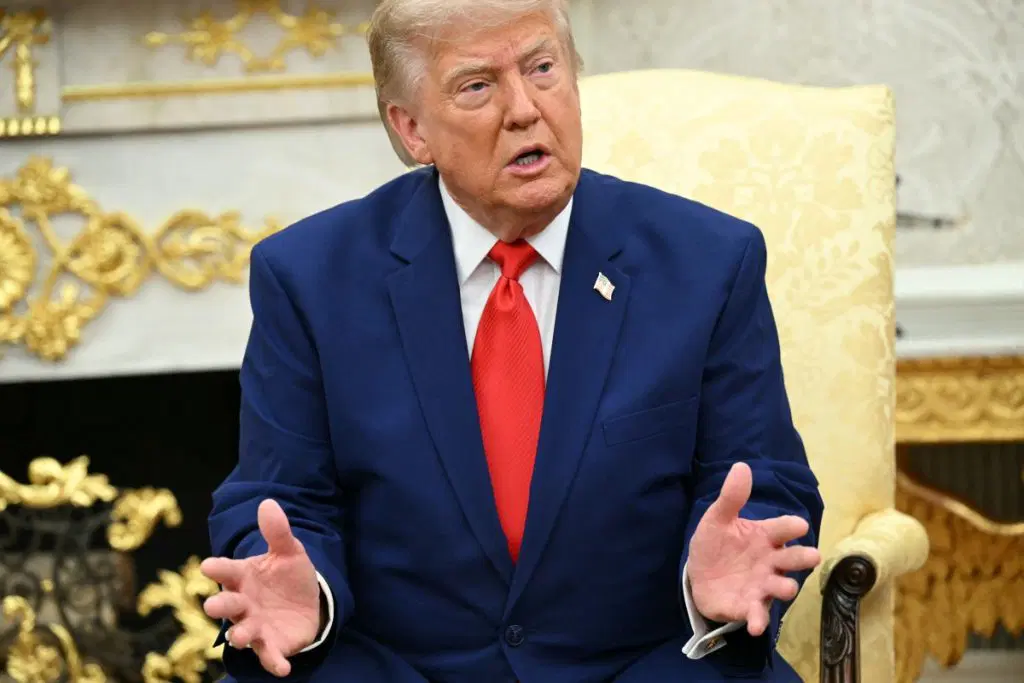
He also directed a pointed message at US President Donald Trump, declaring that the American leader would never achieve his ambition of seeing US military forces enter the Gulf.
The statement comes amid heightened tensions following months of confrontation between Iran and the United States, with the Strait of Hormuz remaining a major flashpoint in the dispute.
Concerns about a possible resumption of military strikes increased on Friday after US Ambassador to Türkiye Tom Barrack said an American attack on Iran could happen as early as the weekend.
“Could there be a strike this weekend? Absolutely,” Barrack said during an interview.
However, Trump later told reporters that he knew nothing about the possibility raised by the ambassador, leaving uncertainty over whether a new military operation was being considered.
Barrack also maintained that Washington remained open to reaching an agreement with Tehran, indicating that diplomatic efforts had not been abandoned despite the continuing tensions.
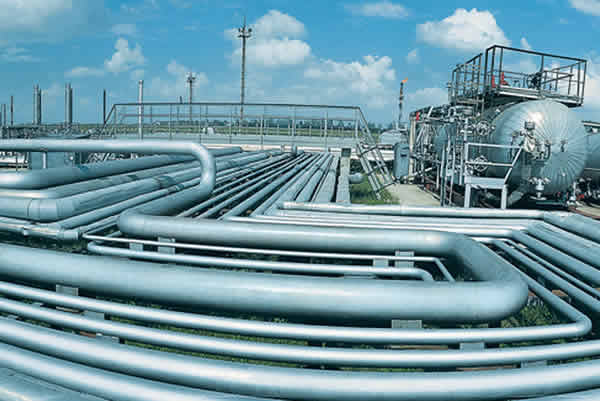
The dispute has placed the Strait of Hormuz at the centre of international concern because of its importance to global energy supplies. The narrow passage connects the Persian Gulf to the Gulf of Oman and the wider Arabian Sea, making it a critical route for oil and gas shipments.
Iran has restricted maritime traffic through the strait during the conflict, while the United States has imposed a counterblockade targeting Iranian ports and vessels. The competing measures have disrupted shipping and increased concerns about the impact on international energy markets.
Iranian authorities have also warned vessels against using routes they consider unauthorised. The Islamic Revolutionary Guard Corps has claimed that several tankers attempting to pass through the waterway were struck by mines in recent days.
On Friday, the Guards said two supertankers carrying more than 4.5 million barrels of crude oil had been left stranded after explosions and fires reportedly damaged their engine rooms.
The claims about the tankers and the circumstances surrounding the reported explosions have not been independently established in the available reporting. They should therefore be treated as statements by Iranian authorities rather than confirmed findings.
Before the conflict, the Strait of Hormuz handled roughly one-fifth of global oil consumption in the form of petroleum liquids transported by sea, making any sustained disruption a significant concern for energy-importing countries.
The latest warning from Tehran signals that control of the waterway remains a central issue in its confrontation with Washington. Any further escalation could put commercial shipping at greater risk and deepen uncertainty over global oil supplies.
Despite the increasingly hostile statements, the possibility of a diplomatic settlement remains part of the public discussion. The immediate concern, however, is whether the latest threats will be followed by renewed military action or whether negotiations can prevent another escalation.
Reporting by TalkNaijaMedia


Reader Comments (0)
No comments yet. Be the first to share your perspective on this report.