

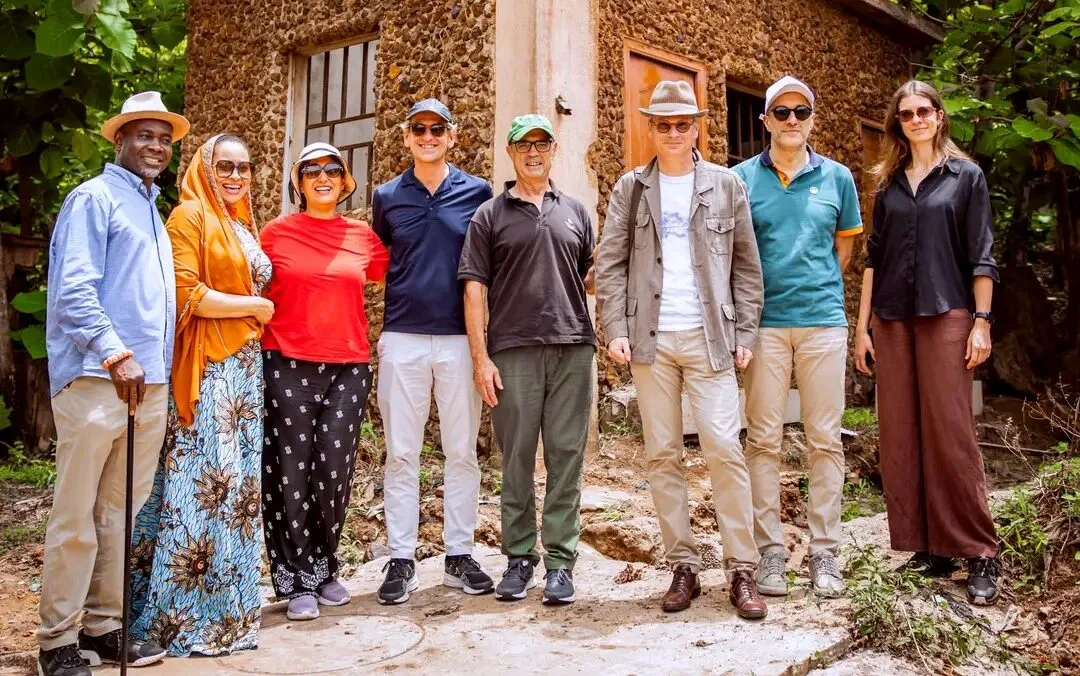
Akpoti-Uduaghan said she had hoped to take the diplomatic delegation on a tour of the Ajaokuta Steel Complex. However, the visitors could only view the facility from its entrance because access had not been granted, despite a written request she said was sent to the Minister of Steel Development, Shuaibu Audu.
The senator did not identify anyone responsible for the decision, and the circumstances surrounding the request and access restrictions have not been independently established.
The delegation comprised Belgium’s ambassador, Pieter Leenknegt; Denmark’s Jens Ole Bach Hansen; Italy’s Roberto Mengoni; and Spain’s Félix Costales Artieda.
During their stay, the visitors explored several historical and cultural attractions, including Lord Lugard’s rest house on Mount Patti in Lokoja and the confluence of the Niger and Benue rivers. Akpoti-Uduaghan said the National Inland Waterways Authority provided boats for the river excursion.
The ambassadors also visited Obeiba, where they experienced aspects of local life, sampled traditional dishes and observed the production of shea butter, palm kernel oil and black soap. They were also introduced to pottery-making, traditional Ebira cloth weaving and a masquerade performance.
According to the senator, discussions during the visit centred on possible investment opportunities and humanitarian collaborations that could benefit communities across Kogi State. She added that the visitors expressed interest in returning for a longer stay.
Beyond promoting tourism and cultural exchange, Akpoti-Uduaghan used the occasion to draw attention to the continued inactivity of the Ajaokuta Steel Company, which has remained a major industrial project awaiting full revival for decades.
Her campaign for the steel plant’s revival predates her election to the Senate. In 2019, when she was seeking the governorship of Kogi State under the Social Democratic Party, she pledged to use the influence of the state government to work with the Federal Government towards restoring the complex.
She has consistently argued that a functional steel industry could create jobs, reduce poverty, strengthen local manufacturing and help Nigeria reduce its dependence on imported steel products.
The issue resurfaced during discussions on the Federal Government’s proposed 2026 budget. Akpoti-Uduaghan pressed for greater commitment to the plant’s revival during a budget defence session, drawing attention to the funding required to return the facility to productive use.
Figures reported from the 2026 Appropriation Bill put Ajaokuta Steel Company Limited’s proposed allocation at ₦6.69 billion, including ₦6.04 billion for personnel costs. The figures have raised questions about the balance between maintaining the company and providing the investment needed to restore steel production.
The Federal Government has continued to explore options for reviving the complex. In October 2025, the Minister of Steel Development said Nigeria was considering cooperation with China after constraints associated with the Russia-Ukraine war affected plans involving Russian partners.
However, the steel plant’s revival remains a significant challenge, and the European ambassadors’ visit did not include an inspection of the facility itself.
Akpoti-Uduaghan’s latest appeal has once again brought attention to the economic possibilities associated with Ajaokuta and the need for a clear, workable plan to move the project beyond years of discussions and budgetary commitments.
For Kogi State and Nigeria as a whole, a successful revival could support industrial growth and employment. Achieving that outcome, however, will require concrete implementation, sustained investment and a clear commitment from the relevant federal authorities.
Reporting by TalkNaijaMedia

Reader Comments (0)
No comments yet. Be the first to share your perspective on this report.