

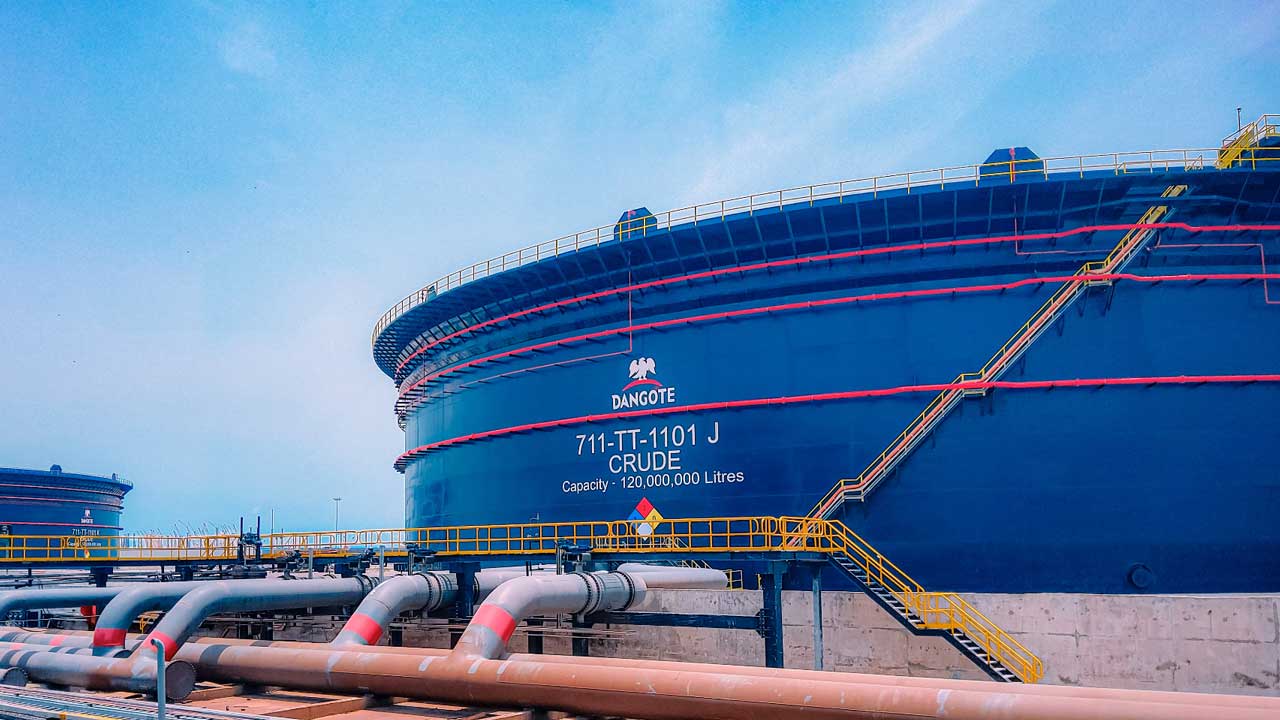
The ₦80 reduction, representing about 4.5 per cent, took effect on Wednesday, October 7, 2026, according to a notice issued by the refinery to its customers. It is the second reduction in Dangote’s diesel price within a month.
The latest adjustment comes as the cost of importing diesel into Nigeria has fallen. Data from the Major Energies Marketers Association of Nigeria (MEMAN) showed that the estimated spot import-parity cost dropped from ₦1,823.68 per litre on September 30 to ₦1,696.40 per litre on October 2.
MEMAN’s seven-day average AGO import-parity figure also declined from ₦1,871.34 to ₦1,823.19 per litre over the same period.
At ₦1,700 per litre, Dangote’s new gantry price is therefore only about ₦3.60 above MEMAN’s latest reported spot import-parity estimate of ₦1,696.40. This is a significant change from earlier market comparisons and means the refinery’s current wholesale price is broadly in line with the economics of imported diesel.
The reduction has also come amid movements in international crude prices. Brent crude traded around $98 per barrel during Tuesday’s session before recovering towards $100, while West Texas Intermediate remained below $90 at points during trading.
Dangote Refinery had previously reduced its diesel price from ₦1,850 to ₦1,780 per litre effective October 1. The latest adjustment brings the total reduction in its gantry price since the start of October to ₦150 per litre.
The refinery said it would communicate separately with customers regarding corresponding credit values for gantry volumes that had already been unloaded and were affected by the new price.
The latest cut could provide some relief for businesses, manufacturers, transport operators and other bulk users that rely heavily on diesel for generators, vehicles and industrial operations.
However, the ₦1,700 figure is a gantry/wholesale price, not necessarily the amount consumers will pay at filling stations or depots. Final prices can still be affected by transportation, storage, distribution and marketers’ margins.
For Nigerian businesses already facing high operating costs, any sustained decline in diesel prices could help reduce energy and logistics expenses, particularly for companies that depend on diesel-powered generators and equipment.
The impact on consumers will ultimately depend on how quickly marketers and distributors reflect the lower refinery price in their own selling prices.
Reporting by TalkNaijaMedia





Reader Comments (0)
No comments yet. Be the first to share your perspective on this report.