

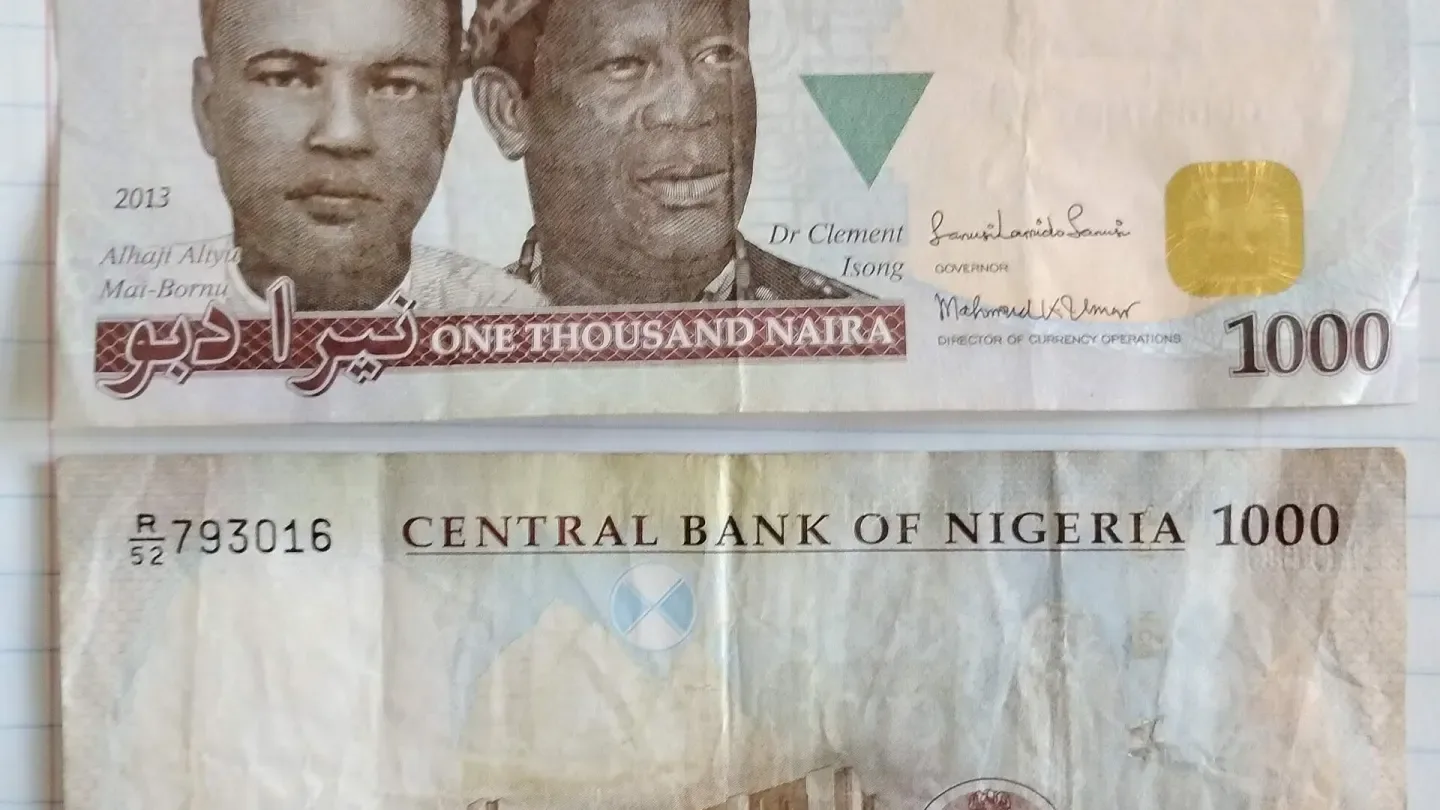
The naira closed the week at about N1,315 to the dollar at the official window, its firmest level in two years, while Nigeria's external reserves climbed to 54.08 billion dollars — the highest they have been in more than seventeen years.
It is the first time the official rate has returned to the N1,300 band since April 2024, and the strongest showing since the Central Bank introduced its electronic foreign exchange matching system.
The currency has now gained roughly 8 per cent this year. Analysts tracking the market expect it to firm further towards N1,290 by December, which would take the full-year appreciation close to 12 per cent.
What is driving it
The move is being read as a supply story rather than an intervention story. Stronger foreign exchange inflows have done most of the work, easing the pressure that forced the apex bank to burn reserves defending the currency through 2023 and much of 2024.
Reserves at 54 billion dollars give the CBN room it has not had in years. At the peak of the crisis the buffer was thin enough that every intervention had to be weighed against the next one.
The caveat
A firmer naira is not automatically good news for everyone. Exporters and diaspora recipients lose purchasing power on conversion, and the gains have not yet translated into a visible fall in the price of imported goods, which tend to reprice downwards slowly if at all.
The Monetary Policy Committee held the benchmark rate at 26.50 per cent at its July meeting, the second consecutive hold, and has given no signal that it intends to move before the end of the year.
Reporting by Economy Post. This summary was written by the TalkNaijaMedia desk.





Reader Comments (0)
No comments yet. Be the first to share your perspective on this report.