


Nigeria’s national voter register has crossed the 103 million mark following the completion of the latest Continuous Voter Registration (CVR) exercise and a final biometric cleanup, the Independent National Electoral Commission (INEC) has announced.
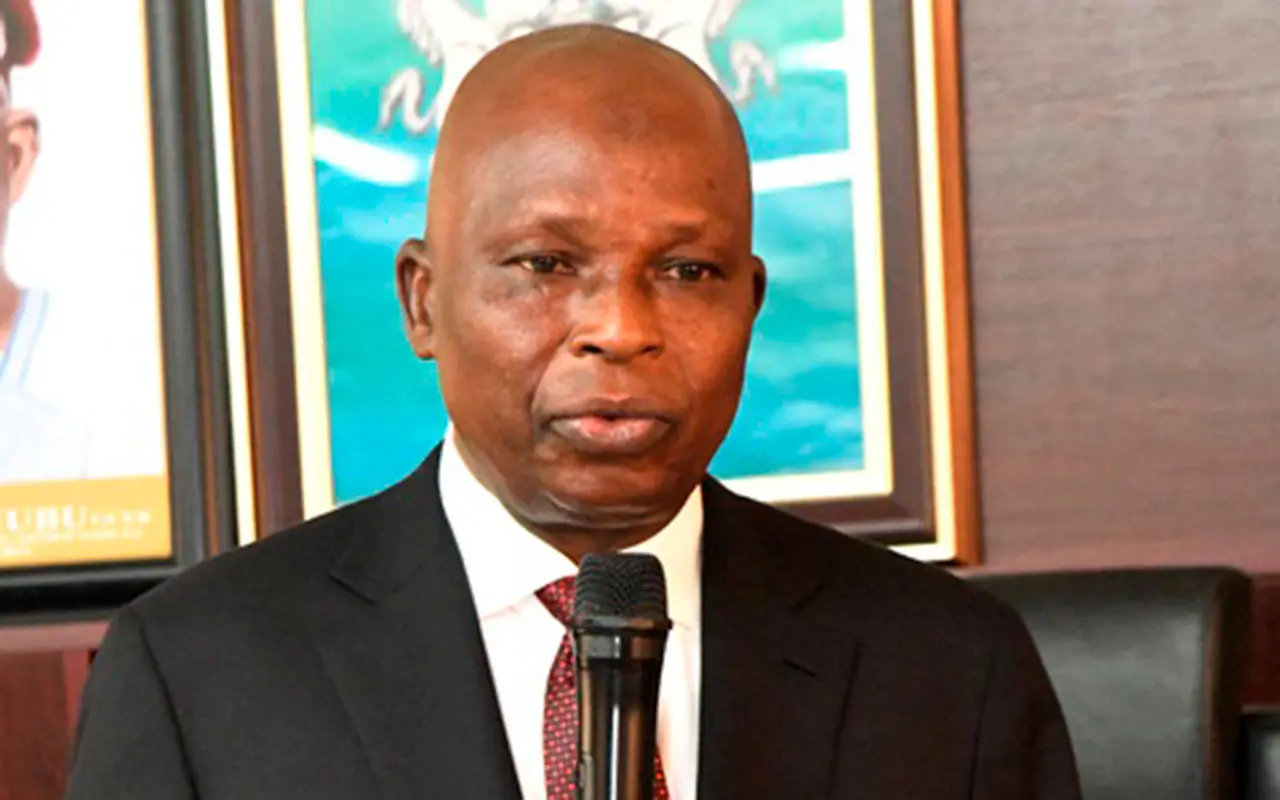
INEC Chairman, Professor Joash Amupitan, disclosed the figure on Monday, October 5, 2026, during a strategic workshop for media executives organised in Abuja by the Nigerian Guild of Editors in collaboration with the electoral commission.
According to Amupitan, the three phases of the latest CVR exercise attracted 10,772,421 new registrants nationwide. The registration figures were subsequently subjected to the commission’s Automated Biometric Identification System (ABIS) process to identify and remove problematic or duplicate biometric records.
The first phase of the exercise, conducted between August 25 and December 10, 2025, recorded 2,611,266 registrations. The second phase, which ran from January 5 to April 17, 2026, recorded 4,121,835, while the third phase between May 11 and July 26 produced 3,867,997 new registrations.
Amupitan said the final ABIS cleanup had now been completed, bringing the national register to more than 103 million voters.
The development marks a significant increase from the register of just over 93 million voters recorded before the latest registration exercise. INEC had previously projected that the number would pass 100 million after the CVR process was completed.
With the registration exercise concluded, attention is now shifting to the collection of Permanent Voter Cards (PVCs).
INEC has announced that nationwide collection of newly produced PVCs will begin on Friday, October 9, 2026, with cards to be distributed to Local Government Area collection centres for eligible voters.
The commission has also introduced printable PVC technology, which it says is intended to reduce the waiting period for producing voter cards and make replacement easier for eligible voters whose cards have been lost or stolen.
INEC urged newly registered voters to collect their cards and participate in the verification process. The commission has also scheduled the preliminary display of the voters' register for claims and objections from October 9 to 15.
The voter-register expansion comes as preparations for the 2027 general elections enter a more advanced stage.
INEC said it has acquired 57,000 new Bimodal Voter Accreditation System (BVAS) devices as part of its preparations for the polls. Amupitan said the commission had chosen to improve and strengthen existing electoral technology rather than introduce untested systems shortly before the elections.
The commission is also working on improvements to electronic result management and the INEC Result Viewing Portal (IReV). According to the chairman, an enhanced electronic result form is being introduced to strengthen the authentication and transmission of polling-unit results.
INEC also plans to use artificial intelligence-based systems to detect unusual activity in database traffic and strengthen cybersecurity around its electoral infrastructure.
Campaign financing and vote-buying are another area of concern as political activities increase.
Amupitan said INEC was working with the Economic and Financial Crimes Commission, the Independent Corrupt Practices and Other Related Offences Commission and the Nigerian Financial Intelligence Unit on financial monitoring during the election period.
He said the joint mechanism would focus on identifying suspicious and illegal campaign expenditure, while surveillance would also be strengthened around polling units.
The INEC chairman also stressed the importance of neutrality among election personnel and said electoral officers and temporary staff would be required to take an oath of neutrality under the Electoral Act 2026.
The commission's preparations come ahead of the 2027 election dates already announced in its timetable. The presidential and National Assembly elections are scheduled for January 16, 2027, while governorship and State House of Assembly elections are scheduled for February 6, 2027.
INEC has also scheduled a national stakeholders' meeting in Abuja for October 6, bringing together political parties, security agencies, civil society organisations, development partners, traditional and religious leaders, youth organisations and media representatives. The meeting is intended to provide updates on preparations and strengthen cooperation among election stakeholders.
The increase in the voter register means millions of Nigerians who completed registration during the latest CVR will now need to complete the remaining steps required to participate in the 2027 elections.
INEC has repeatedly urged citizens to rely on its official platforms for voter information, particularly after warning about a fake website that recently claimed a new voter-registration window was open. The commission said the CVR exercise had already ended in July.
With the national register now above 103 million, the focus for INEC is shifting from registration to voter-card distribution, register verification, technology deployment, logistics and preparations for the January 2027 presidential and National Assembly polls.
Reporting by TalkNaijaMedia




Reader Comments (0)
No comments yet. Be the first to share your perspective on this report.