

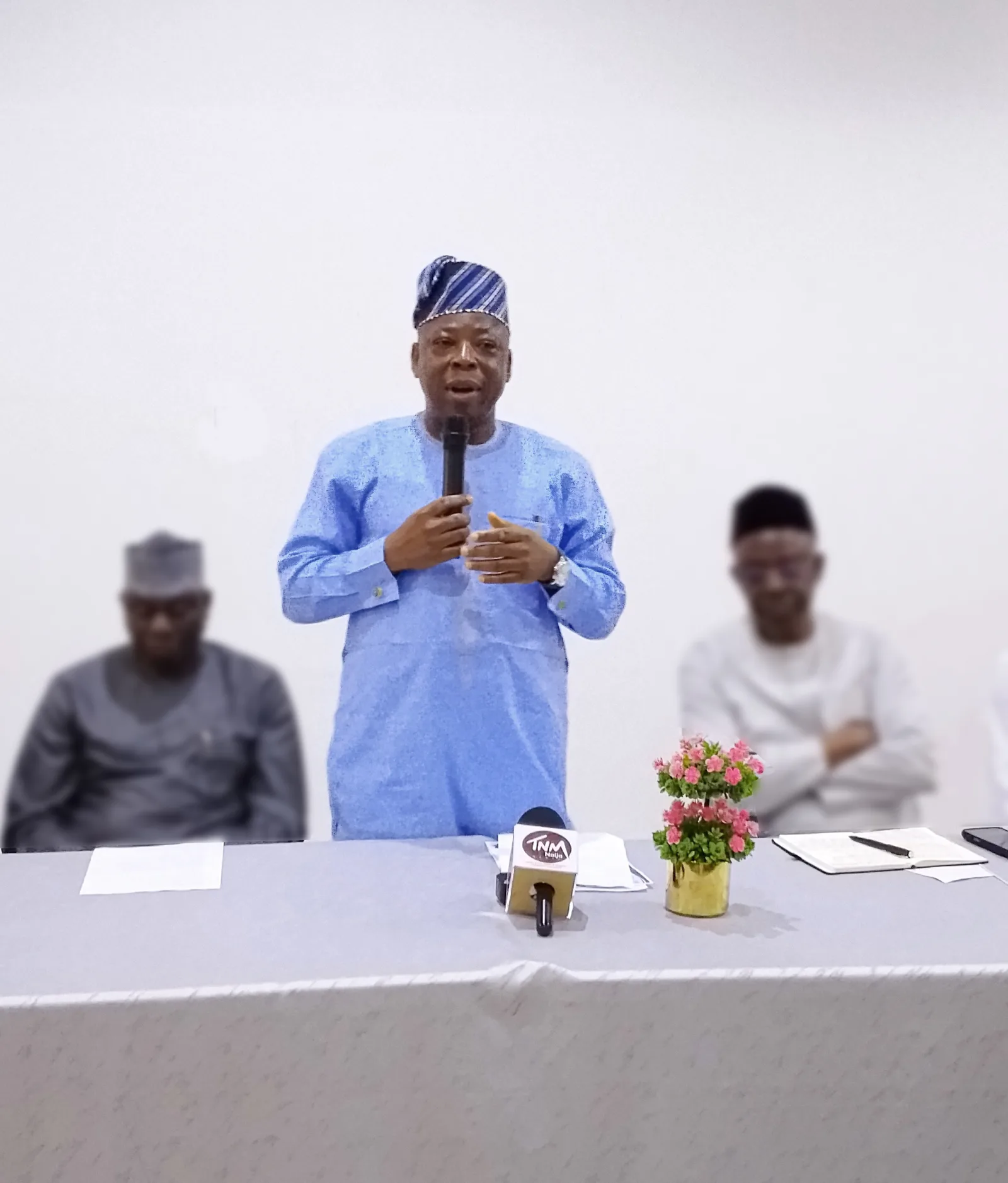
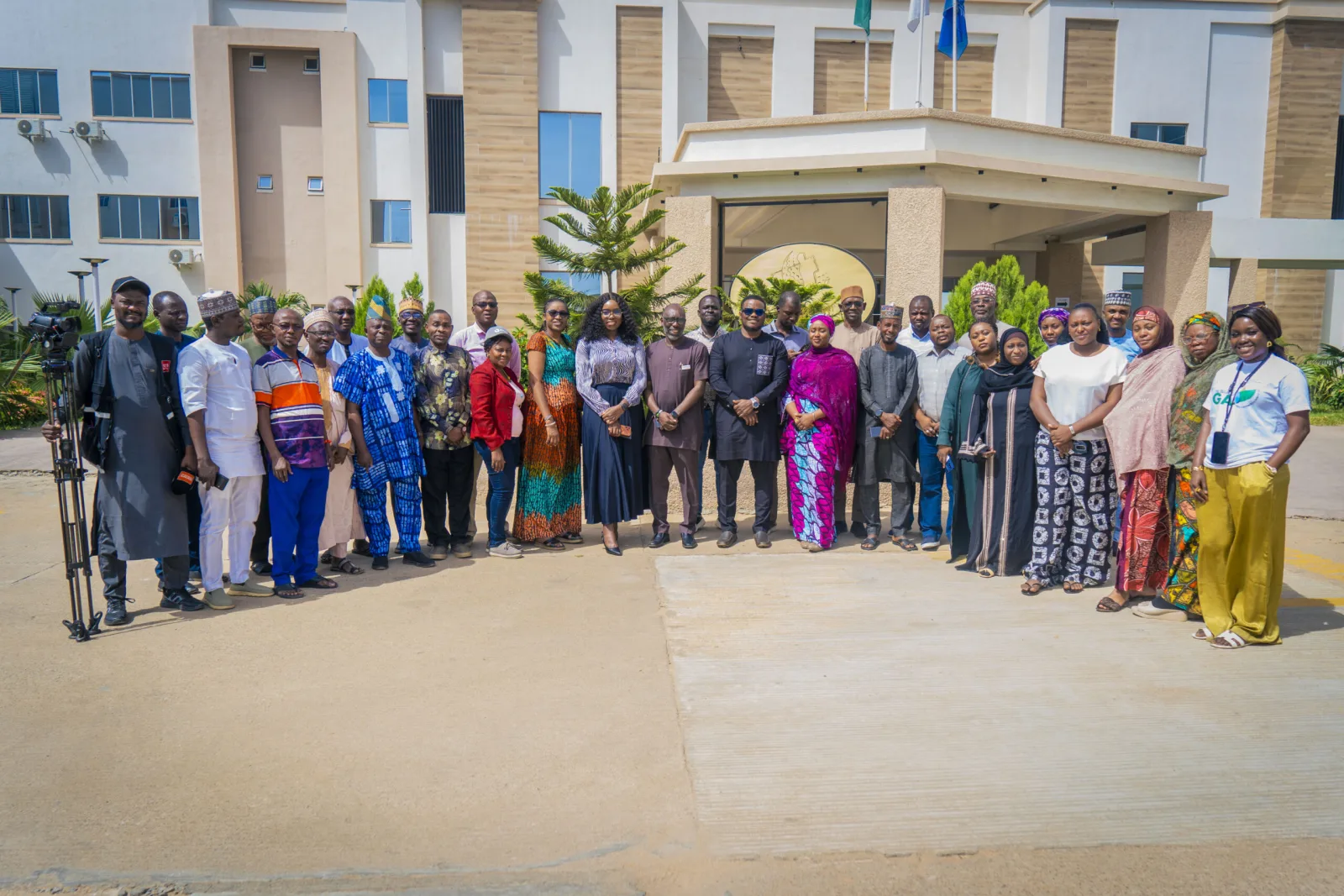
In a powerful show of readiness and political sagacity, the Kogi State Chapter of the Tinubu Support Group (TSG) held its first major Stakeholders Meeting on Wednesday, 22nd October, in Abuja.
Chief David Dare Mayegun, the Director-General of TSG Kogi State chapter, has called on stakeholders across the state to intensify grassroots mobilisation, strengthen cooperation and adopt a results-driven approach to securing electoral victories for President Bola Ahmed Tinubu and the Renewed Hope agenda.The DG made the call during the chapter’s first stakeholders’ meeting, held in Abuja on October 22, 2026. The strategic gathering brought together key coordinators, grassroots mobilisers, women leaders, youth leaders and political stakeholders representing the 21 local government areas of Kogi State.
In his remarks, the Director-General emphasised that the future success of the organisation would depend not merely on its political identity or public declarations but on its ability to build a strong grassroots presence, expand its support base and translate political commitments into measurable results.
He described the meeting as an important opportunity to strengthen the organisation’s internal structure, align stakeholders around a common objective and establish a practical direction for future political engagement across Kogi State.
According to the DG, political success requires deliberate planning, sustained engagement with the electorate and the collective determination of stakeholders to work towards a shared goal. He stressed that every coordinator and leader must understand the responsibility attached to their position and contribute meaningfully to the organisation’s overall objectives.
A major focus of the DG’s remarks was the need to return political mobilisation to the grassroots, where voters live, work and make decisions that shape electoral outcomes.
He stressed that political structures must not operate only from major cities or depend on occasional gatherings to demonstrate their strength. Instead, stakeholders must establish consistent contact with communities, wards and polling units across the state. In his statement, "Abuja does not vote; the grassroots vote."
The Director-General called for a more practical approach to mobilisation, encouraging stakeholders to engage residents from household to household, market to market and community to community.
He noted that meaningful political engagement requires listening to the concerns of ordinary citizens, communicating government policies in clear and accessible language, and helping people understand how the Renewed Hope agenda relates to their daily lives.
The DG further emphasised that grassroots mobilisation should be a continuous process rather than an activity reserved for election periods. According to him, building lasting relationships with the electorate is essential to earning public confidence and sustaining political support.
He urged coordinators, women leaders, youth leaders and other stakeholders to take ownership of mobilisation within their respective areas and ensure that the organisation develops a stronger presence throughout Kogi State.
The Director-General also underscored the importance of voter participation and electoral vigilance, stressing that mobilisation efforts must translate into actual participation at the polls.
He urged stakeholders to encourage eligible voters to exercise their civic rights and provide them with the necessary information to participate confidently in the electoral process.
However, he noted that the responsibility of political stakeholders should not end with encouraging people to vote. They must also be prepared to protect the integrity of the electoral process through lawful and peaceful means.
He called for effective coordination of polling agents, voter education, and proper monitoring of election proceedings to ensure that votes are accurately counted and officially recorded.
The DG emphasised that stakeholders must understand the importance of election-day preparation, including knowing the relevant procedures for documenting and reporting irregularities through the appropriate electoral and legal channels.
He maintained that a well-organised political structure must be capable of mobilising supporters before an election and ensuring that the democratic choices of voters are respected throughout the process.
Another important message from the Director-General centred on the need for TSG Kogi to look beyond political slogans and concentrate on expanding its support base.
He reminded stakeholders that politics is a game of numbers and that electoral success depends significantly on the ability to attract, organise and mobilise voters.
According to him, the strength of a political movement cannot be measured solely by the prominence of its leaders, the frequency of its meetings or the popularity of its name. Its real strength must also be reflected in its reach among the electorate and the level of participation it can generate.
The DG therefore urged stakeholders to adopt an inclusive approach to political engagement, reaching beyond their immediate circles to connect with undecided voters, artisans, traders, market women, young entrepreneurs, community leaders and other groups across the state.
The Director-General encouraged stakeholders to see every community as an opportunity to build relationships and broaden the organisation's reach, while ensuring that political outreach remains peaceful, inclusive and consistent with democratic principles.
He noted that expanding the support base would require commitment from everyone, with each stakeholder expected to contribute to the broader goal of strengthening the organisation's political presence.
Addressing the need to sustain previous achievements, the DG cautioned stakeholders against becoming complacent because of past electoral victories.
He acknowledged the importance of previous successes but emphasised that such achievements should serve as motivation for greater commitment rather than a reason to relax.
According to him, every new political contest presents fresh challenges and requires renewed preparation, strategic thinking and consistent engagement with the electorate.
The Director-General urged stakeholders to concentrate on the work ahead, noting that political success cannot be sustained through past records or verbal assurances alone.
He called for a shift towards practical action, with stakeholders expected to demonstrate their commitment through community outreach, voter education, organisational development and other lawful political engagement initiatives.
He also emphasised the importance of accountability, encouraging leaders and coordinators to approach their responsibilities with clear objectives and a willingness to deliver tangible results.
The DG stressed that the organisation must continue to build on its existing foundation while remaining responsive to changing political circumstances and the expectations of the people.
The Director-General identified unity and cooperation among stakeholders as essential ingredients for building a stronger and more effective political structure.
He emphasised that no individual or group could achieve sustainable political success in isolation, noting that the organisation's strength would depend on the ability of its members to work together towards a common purpose.
He called on coordinators, women leaders, youth leaders and other stakeholders to maintain open communication, support one another and place collective objectives above personal differences.
The DG further stressed that effective synergy would help ensure that mobilisation activities are properly coordinated, responsibilities are clearly understood, and resources are directed towards agreed priorities.
He urged stakeholders to resolve disagreements constructively and maintain mutual respect, warning against practices that could weaken internal cohesion or undermine collective efforts.
In outlining the way forward, the DG emphasised that the success of the Abuja meeting would ultimately depend on the implementation of its key resolutions. He encouraged stakeholders to translate the discussions into practical activities, including sustained community engagement, voter education, grassroots mobilisation and stronger coordination among local structures.
He also highlighted the importance of effective communication and media engagement in ensuring that the organisation's activities and political message reach a wider audience.
The Director-General maintained that stakeholders must move beyond making promises and demonstrate their commitment through consistent effort and measurable progress.
He further encouraged stakeholders to maintain momentum after the meeting, stressing that the real test of leadership lies in the ability to turn plans into action and collective aspirations into practical achievements.
The meeting concluded with a renewed emphasis on grassroots mobilisation, electoral participation, numerical strength, unity and sustained political engagement.
For the Director-General, these priorities form the foundation upon which TSG Kogi State can strengthen its organisation and work towards delivering electoral support for President Bola Ahmed Tinubu and the Renewed Hope agenda.
The DG's message was clear: previous achievements must be consolidated, new supporters must be reached, internal cooperation must be strengthened, and political commitments must be backed by practical action.
As TSG Kogi State moves into its next phase of engagement, the challenge before its stakeholders is to ensure that the energy generated at the Abuja meeting translates into sustained grassroots activities and a more organised political presence.
The meeting marks an important step in that direction, with the Director-General calling for greater commitment from every stakeholder in pursuit of the organisation's shared objectives.
Reporting by TalkNaijaMedia

Reader Comments (0)
No comments yet. Be the first to share your perspective on this report.