

Balogun said gas reserves increased from 208.83 TCF in 2023 to 215.19 TCF as of January 2026. He added that average daily production rose from 6.86 billion cubic feet to approximately 7.5 billion cubic feet, while domestic gas supply exceeded two billion cubic feet per day.
The Nigerian Upstream Petroleum Regulatory Commission’s official reserves statement independently confirms the 215.19 TCF figure for January 1, 2026. The commission attributed the increase in reserves to updated field assessments, discoveries and reservoir studies.
Balogun also highlighted investments and infrastructure projects aimed at expanding gas availability for power generation, industry, transportation and household use. According to his presentation, about $3.5 billion in investments had been committed to four major gas projects.
He said the Obiafu-Obrikom-Oben (OB3) Gas Pipeline had reached full completion, while the Ajaokuta-Kaduna-Kano (AKK) Gas Pipeline was approximately 95 per cent complete. The projects are expected to support the movement of gas to domestic markets, although completion of pipeline infrastructure does not necessarily mean that the entire system is already operating at full capacity.
The presentation also cited ₦671 billion in public infrastructure funding that had attracted approximately ₦1.6 trillion in private investment.
On cleaner household energy, Balogun outlined the government’s liquefied petroleum gas programme, which aims to reach five million households by 2030. He said activities had begun in Bayelsa and Akwa Ibom states, alongside the distribution of 27,000 LPG cylinders and public awareness campaigns in different regions.
He further highlighted plans to transition Nigeria’s gas market to a Willing Buyer, Willing Seller framework by September 24, 2028. The proposed arrangement is intended to improve competition, transparency and commercial sustainability in the gas market.
Speaking on transportation, Tosin Coker, Chief Operating Officer of PI-CNG & EV, said compressed natural gas could help reduce operating costs, improve energy security and expand access to more affordable transport options.
Coker disclosed that 670 CNG-powered buses had been deployed nationwide. Of these, 285 were operating commercially across 13 states, while 302 had been allocated to transport unions, students and government agencies. The presentation did not clarify the status of the remaining 83 buses or whether the reported categories overlapped.
He added that hundreds of additional buses and tricycles were on order as the government sought to expand cleaner public transportation.
According to Coker, participating routes under the National Affordable CNG Transition Programme had recorded fare reductions ranging from 15 to 50 per cent. The reductions apply to the programme’s participating routes and should not be interpreted as a nationwide fare cut.
He also emphasised that vehicle owners should use certified conversion centres, approved equipment and qualified technicians, while ensuring that converted vehicles receive proper maintenance. The precautions are intended to address safety concerns as more motorists consider switching to CNG.
Kano State featured prominently in the presentation as an emerging centre for clean mobility in Northern Nigeria. The state was reported to have seven operational CNG refuelling stations, with another 17 at different stages of development, making it a key location for the expansion of gas-powered transportation in the North-West.
The initiative also announced plans for 127 additional CNG refuelling stations across 31 states, including the Federal Capital Territory, to improve access to the fuel and support wider adoption.
Coker said Kano had received 25 additional CNG buses to complement earlier commercial deployments. The expansion is expected to support transport services and create opportunities for investment and economic activity along the northern gas corridor.
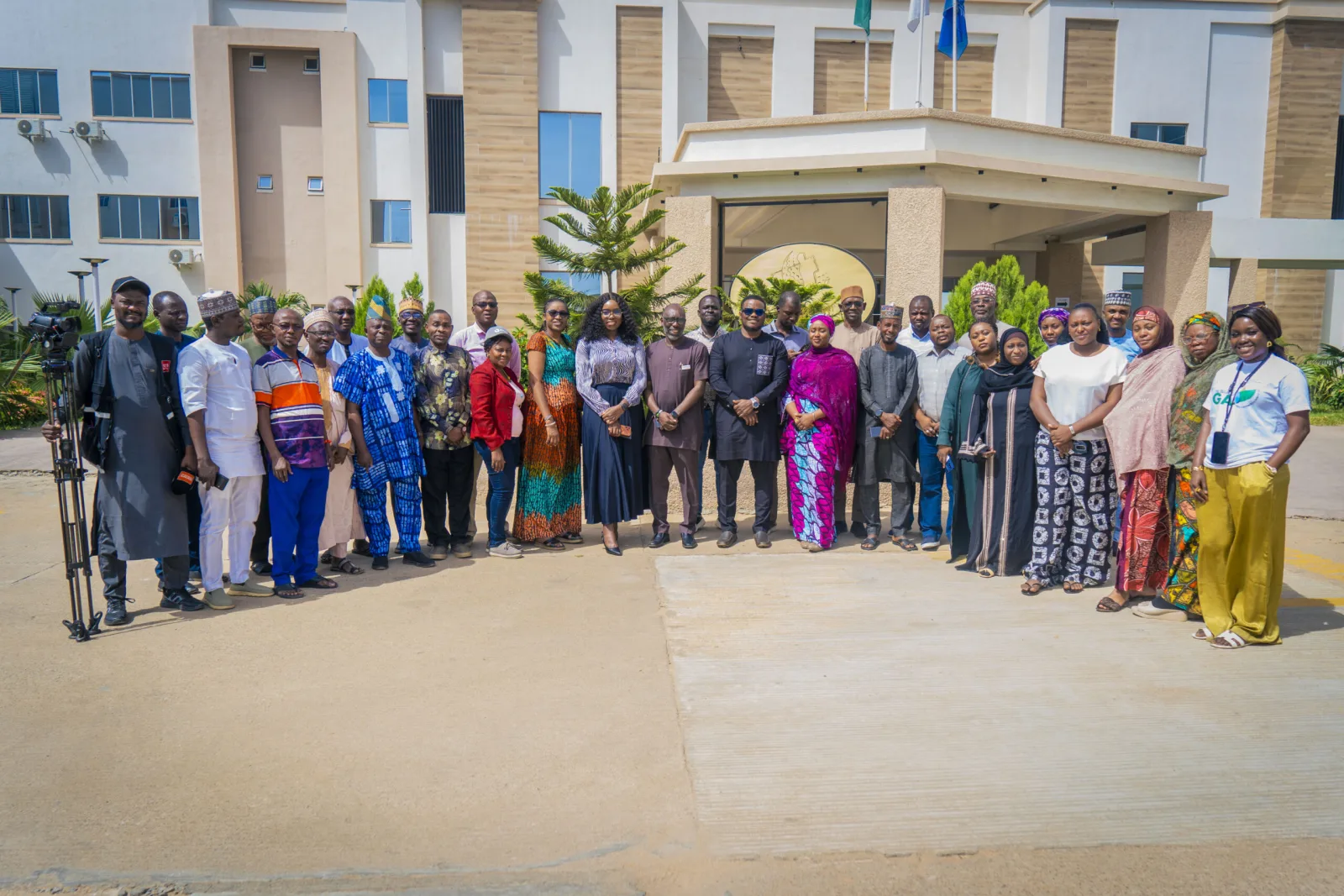
The media engagement brought together approximately 27 journalists from television, radio, print and digital media organisations. It was organised to improve media understanding of Nigeria’s gas development plans and encourage accurate reporting on the sector.
The Kano meeting followed similar engagements in Lagos, Abuja and Port Harcourt. Participants raised questions about gas availability, affordability, safety, infrastructure development and the implementation of government policies.
Speaking on behalf of the participating journalists, Murtala Adewale of The Guardian, who also chairs the Nigeria Union of Journalists Correspondents’ Chapel in Kano, commended the organisers for the engagement. He called for more regular training sessions and stronger collaboration between journalists, industry operators and regulators.
The Decade of Gas Secretariat and PI-CNG & EV reaffirmed their commitment to continued public education and stakeholder engagement as Nigeria works to expand the role of natural gas in its economy.
Reporting by TalkNaijaMedia

Reader Comments (0)
No comments yet. Be the first to share your perspective on this report.