

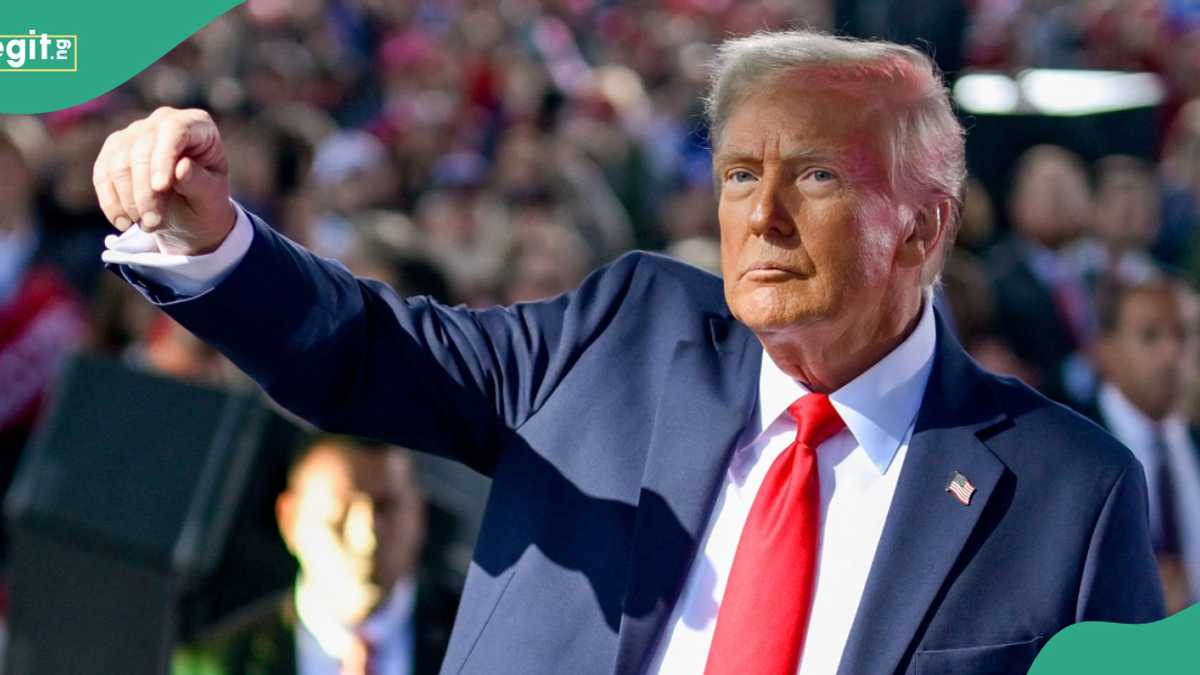
A federal judge in California has blocked the United States government from implementing President Donald Trump’s $100,000 fee on certain new H-1B visas, marking another major court intervention against the immigration measure.
US District Judge Haywood S. Gilliam Jr., sitting in Oakland, California, issued the ruling on Wednesday, September 30, in a case brought by a coalition of employers, labour unions and nonprofit organisations.
The judge found that the US Citizenship and Immigration Services (USCIS) and other federal agencies did not follow the administrative procedures required before implementing the fee. The ruling prevents the agencies from enforcing or implementing the relevant policies while the legal challenge proceeds.
The case, brought by Global Nurse Force and other plaintiffs, is separate from an earlier lawsuit in Massachusetts that also challenged the $100,000 charge.
In June, US District Judge Leo Sorokin in Boston ruled against the fee in a case filed by 20 states. The Trump administration appealed that decision, but the US Court of Appeals for the First Circuit subsequently declined to suspend the ruling, leaving the fee blocked in that case while the appeal continues.
The latest California ruling therefore adds another layer to the ongoing legal dispute over the administration's approach to H-1B visas.
The H-1B programme allows US employers to recruit foreign professionals for specialised occupations. The programme is widely used by technology companies but also serves employers in sectors including healthcare, engineering, research and education.
Federal law provides for 65,000 H-1B visas under the regular annual cap, with an additional 20,000 places available to qualifying workers with advanced degrees from US institutions.
Before the Trump administration introduced the new charge, employers generally faced several thousand dollars in government fees associated with H-1B petitions, depending on the circumstances. The $100,000 payment represented a substantial increase for employers bringing certain workers into the United States from abroad.
Trump's administration has defended the policy by arguing that the H-1B programme has been abused by some employers and that the higher cost would help protect American workers. The administration relied on presidential authority under US immigration law in imposing the restriction.
The legal challenges, however, question whether the president and federal agencies had the authority to impose the charge in the manner used and whether the agencies complied with the required administrative process.
The dispute is not limited to the two federal court cases. The US Chamber of Commerce is pursuing a separate legal challenge, while the Department of Homeland Security has also moved to establish a permanent H-1B fee of approximately $103,000 through the formal federal rulemaking process.
That proposed permanent fee is a separate process from the $100,000 charge currently being challenged in court.
The White House had separately extended the $100,000 restriction for another 12 months from September 21, 2026, meaning the administration intends for the measure to remain in place while its legal and regulatory battles continue. The presidential proclamation states that the restriction applies to certain H-1B workers outside the United States and includes exceptions where the Secretary of Homeland Security determines that an exemption is in the national interest.
The latest court order does not settle the broader question of whether the administration can impose the charge. Instead, it prevents the relevant federal agencies from implementing the policy in the manner challenged in the California lawsuit while the case proceeds.
With multiple cases still before the courts and a separate permanent-fee proposal under consideration, the future of the $100,000 H-1B charge remains subject to further judicial and administrative decisions.
Reporting by TalkNaijaMedia

Reader Comments (0)
No comments yet. Be the first to share your perspective on this report.