

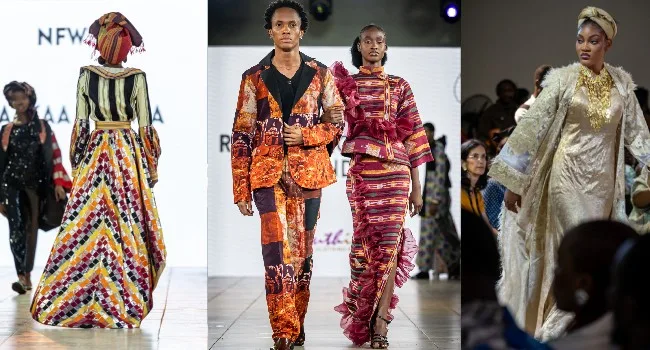
Nigeria’s fashion industry has turned the spotlight towards Abuja, as the 2026 edition of Nigeria Fashion Week brings an array of designers, models and creative entrepreneurs to the Federal Capital Territory.
The event, which began on October 1 and runs through October 4, marks the first time the annual fashion showcase has moved from Lagos to Abuja. More than 40 Nigerian and international designers were scheduled to participate, with Soul Lounge Resort in Jahi serving as the main venue for the runway programme.
Organiser and Nigeria Fashion Week chief executive Lexy Mojo-Eyes said the decision to move the event to Abuja was deliberate, with the aim of giving designers a wider platform while helping the capital develop a stronger identity within Nigeria’s fashion and creative economy.
According to Mojo-Eyes, the Abuja edition is intended to go beyond displaying clothes by creating opportunities for designers to develop their businesses, attract investment and reach wider markets.
The 2026 programme combines runway presentations with exhibitions and a business-focused Nigeria Fashion Entrepreneurial Forum. The forum brings together policymakers, financial institutions, fashion entrepreneurs and local and international buyers to discuss how creative ideas can be converted into sustainable businesses.
The move also reflects Abuja’s growing creative scene. Although Lagos remains a major centre for Nigeria’s fashion, entertainment and commercial activities, Abuja has developed a growing ecosystem around photography, film, literature, arts and other creative industries.
The organisers have said that bringing Fashion Week to the capital could also strengthen interaction between the fashion industry and government.
Minister of Art, Culture, Tourism and the Creative Economy Hannatu Musa Musawa has previously expressed support for the event, describing the creative and cultural industries as potential drivers of entrepreneurship, job creation, exports and economic growth.
The minister was also present at the Abuja runway events, where she spoke about the importance of creating an enabling environment for the creative sector, including reforms affecting tourism and intellectual property.
The 2026 edition carries the theme “Beyond the Runway: Fashion and Culture at the Heart of the Green & Blue Economy (Going Green 5).” Organisers say the programme is intended to connect fashion with sustainability, manufacturing, investment, tourism and economic development.
International participation has also added another dimension to the Abuja event, with designers from outside Nigeria joining local fashion brands on the runway.
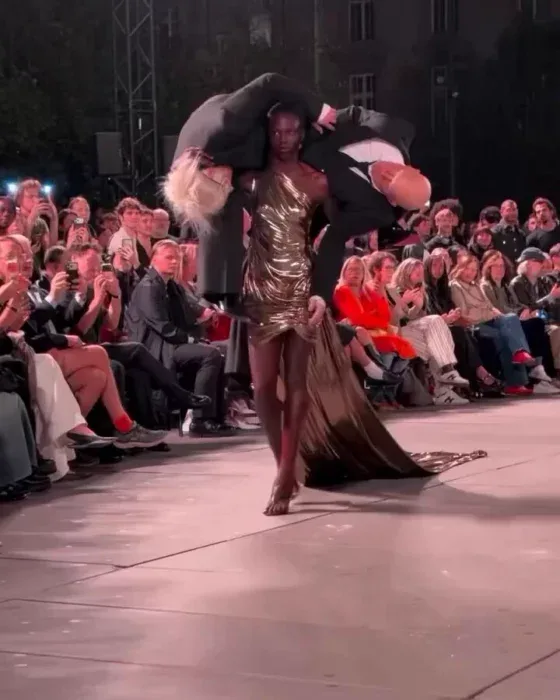
Among them is Libyan designer Rabia Ben Barka, whose collection featured metallic and highly structured designs during the Abuja showcases. Her participation reflects the organisers’ effort to use the event as a platform for greater interaction between Nigerian designers and the wider African fashion industry.
The decision to stage the event in Abuja is also part of a broader effort to position fashion as a commercial sector capable of generating employment and connecting Nigerian brands with international consumers.
A separate Fashion Entrepreneurial Forum is expected to provide young and emerging designers with practical information on branding, finance, production standards, export readiness and international trade.
For Abuja, however, the bigger question is whether the city can sustain the growing momentum beyond major events.
The capital has expanded significantly since it replaced Lagos as Nigeria’s seat of government in 1991, and its creative economy has continued to develop. But challenges including high housing costs, infrastructure limitations and the availability of specialised creative-industry workers remain issues that could affect the growth of the sector.
Lagos, meanwhile, continues to maintain its own fashion calendar and remains one of Nigeria’s major commercial and creative centres.
The Abuja edition of Nigeria Fashion Week is therefore not necessarily a replacement for Lagos but an attempt to widen the geographic reach of Nigeria’s fashion industry and create another major hub for designers and creative businesses.
The programme is scheduled to conclude on October 4 with the Nigeria Fashion Entrepreneurial Forum followed by the Nigeria Fashion Awards and Gala Fashion Night, where stakeholders who have contributed to the development of the country's fashion industry are expected to be recognised.
As the lights return to the runway and designers take centre stage, Nigeria Fashion Week’s Abuja debut is putting a new question before the industry: whether the Federal Capital Territory can develop from a host of major events into a lasting fashion and creative-business hub.
Reporting by TalkNaijaMedia

Reader Comments (0)
No comments yet. Be the first to share your perspective on this report.