

The latest progress was announced following visits by a joint Airtel Africa and UNICEF delegation to schools and youth programmes in Lagos and Abuja to assess how the initiative is being implemented.
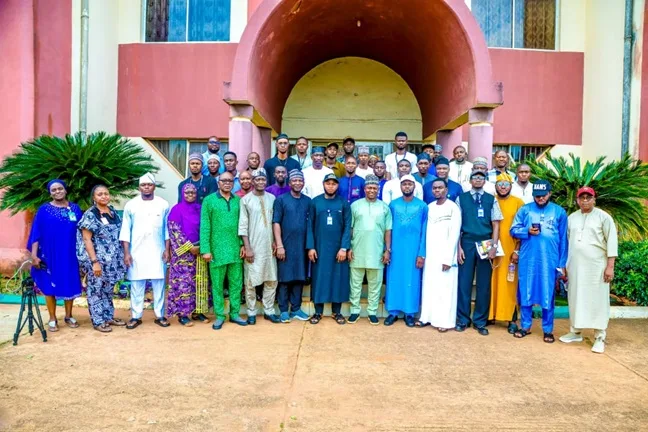
The delegation, led by Garreth Spillane, Chief of Staff to Airtel Africa’s chairman, visited Government Senior College in Agege and St George’s U.N.A. Primary School. During the visits, students and teachers demonstrated how digital learning tools, including artificial intelligence applications, could support classroom activities.
At Yaba College of Technology, the team also examined how young people were using the Passport to Earning programme and the Youth Agency Marketplace, known as YOMA, to develop digital, employability and entrepreneurial skills. These platforms are intended to connect young people with learning opportunities, mentorship and potential routes into work and business.
The partnership also provides zero-rated access to selected educational platforms for eligible Airtel users, helping reduce the cost of accessing digital learning materials. The platforms include the Nigeria Learning Passport, the Federal Ministry of Education’s Inspire and Ignite platforms, the Digital National Education Management Information System and YOMA.
The Nigeria Learning Passport provides curriculum-related educational content through online and offline options, making it useful for learners in communities where internet connectivity is limited. UNICEF has continued to work with government agencies and private-sector partners to expand the platform’s reach and improve teachers’ ability to use digital resources in the classroom.
UNICEF Deputy Representative in Nigeria, Rownak Khan, said affordable access to digital learning could help narrow the digital divide and connect children and young people with educational and economic opportunities. She emphasised that girls, children with disabilities and learners in underserved communities must also benefit from the expansion.
Airtel Africa representative Garreth Spillane said connectivity could make a meaningful difference when students could access quality learning content and teachers had the skills to use technology effectively. He reaffirmed the company’s commitment to working with UNICEF and governments to connect schools, reduce data costs and support teachers.
Minister of State for Education, Professor Suwaiba Sa’idu Ahmad, said effective education reform required collaboration between government and other stakeholders. She highlighted the importance of teacher training, quality digital content, online safety and ensuring that learners in different parts of the country could benefit from digital education.
During the Abuja leg of the visit, the delegation met officials from the Office of the Vice President and the Federal Ministry of Education. Discussions focused on expanding connectivity, improving digital content, strengthening teacher training, supporting inclusive learning and protecting children online.
The meetings also considered education data systems and sustainable financing arrangements that could help maintain and expand digital learning programmes.
The Airtel Africa-UNICEF partnership was launched in 2021 as a five-year initiative covering 13 African countries. It was designed to support school connectivity, provide free access to selected learning platforms and help more children benefit from digital education.
The expansion reflects wider efforts to use technology to improve educational access and equip young Nigerians with skills for a changing employment landscape. However, the long-term impact will depend on reliable connectivity, suitable devices, teacher support and continued attention to children who face the greatest barriers to learning.
Reporting by TalkNaija Media




Reader Comments (0)
No comments yet. Be the first to share your perspective on this report.