

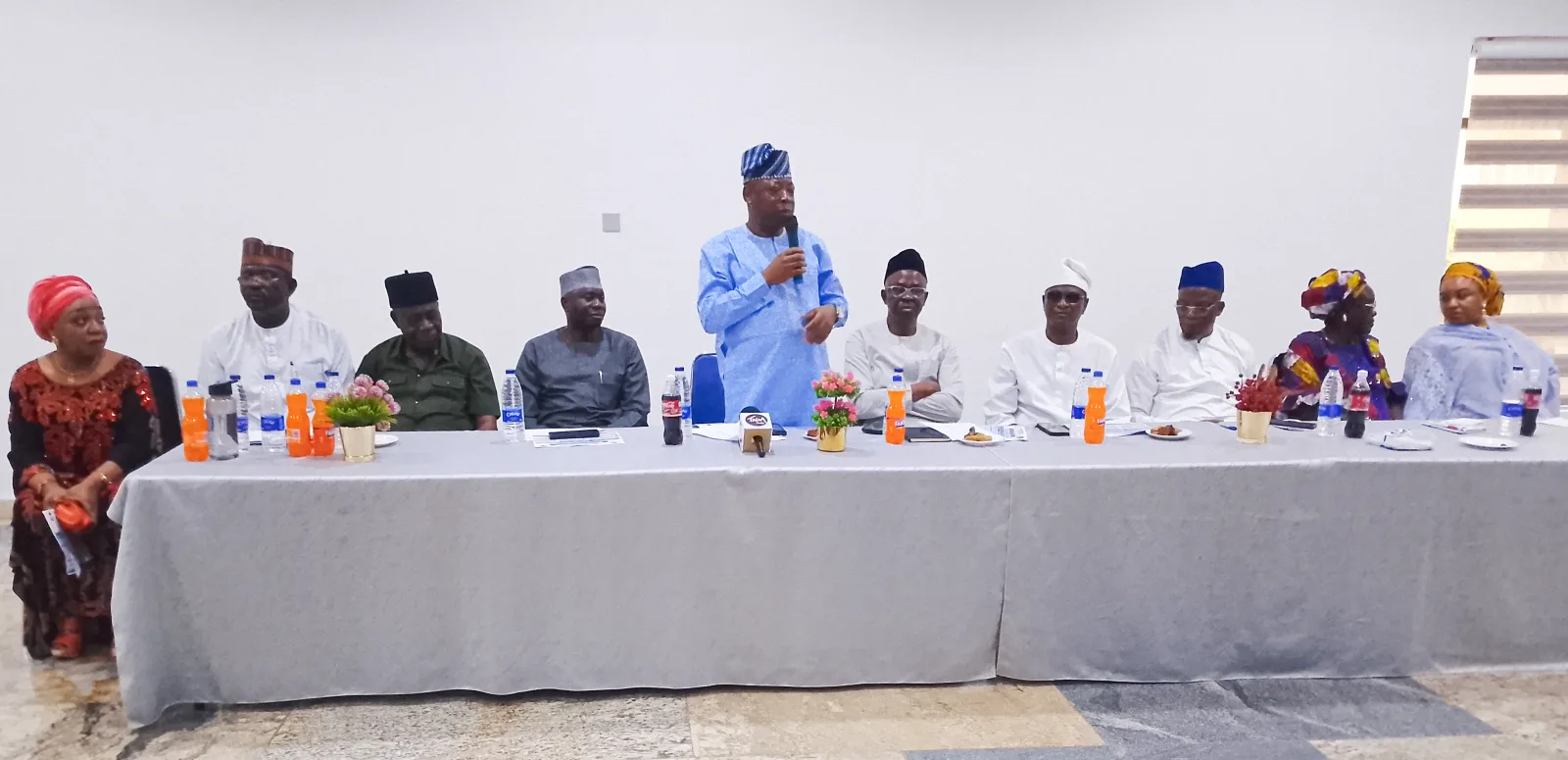
The Kogi State chapter of TSG has taken a significant step towards strengthening its political structure and preparing for future electoral contests with the successful hosting of its first stakeholders’ meeting on October 22, 2026, in Abuja.
The meeting brought the need for effective grassroots mobilisation, stronger political participation, unity among stakeholders and strategic planning to the forefront, with participants emphasising that sustainable political success requires more than party affiliation, public declarations or the celebration of past victories.
At the heart of the discussions was a clear message: the time has come to translate political support into measurable results through deliberate engagement with the people, effective coordination among stakeholders and a renewed commitment to electoral success.
The meeting provided an opportunity for stakeholders to reflect on the group’s political journey, identify areas requiring improvement and establish a stronger foundation for future activities across Kogi State. It also reinforced the importance of collective responsibility in building a formidable political structure capable of reaching voters at the grassroots and sustaining their confidence.
Grassroots Mobilisation: Taking the Message to the People
One of the major issues emphasised at the meeting was the need to strengthen grassroots mobilisation across Kogi State.
Stakeholders recognised that political success is built from the communities, wards and local government areas where voters live and make decisions about their future. Consequently, the group’s ability to expand its influence will depend significantly on how effectively its members connect with the people, understand their concerns and communicate their political vision.
Grassroots mobilisation must go beyond occasional meetings, rallies and political declarations. It requires consistent engagement, meaningful conversations with residents, relationship-building and the development of a reliable network of supporters who understand the group’s objectives and are willing to participate actively in the democratic process.
Stakeholders were therefore encouraged to strengthen their respective structures, identify opportunities to reach new supporters and ensure that the group’s presence is felt across the state.
The emphasis is on building a political movement that is not only visible during election periods but remains connected to the people throughout the political cycle. Such an approach can help deepen public trust, encourage participation, and create a stronger foundation for electoral success.
Securing the Vote: From Mobilisation to Electoral Protection
Another critical issue discussed was the responsibility of stakeholders to ensure that supporters turn out to vote and that their votes are properly protected through lawful electoral processes.
Participants acknowledged that mobilising supporters is only one part of the electoral process. Converting that support into actual votes requires proper planning, voter education, effective coordination and sustained engagement before election day.
Stakeholders must therefore work towards encouraging eligible supporters to register where necessary, verify their voting information, understand the electoral process and turn out to exercise their civic responsibilities.
Beyond voter turnout, the meeting highlighted the importance of electoral vigilance. Political support must be accompanied by a commitment to protecting the integrity of the democratic process by ensuring that votes are properly cast, counted, and recorded in accordance with the law.
This responsibility also calls for adequate preparation, coordination among party agents and supporters, and the prompt reporting of suspected irregularities through the appropriate legal and electoral channels.
The underlying message is that political victory should not be left to chance. It requires preparation, organisation and a clear understanding of the responsibilities that come with participating in a democratic election.
Beyond the Party Name: Building Numbers and Expanding Political Influence
The stakeholders also stressed the need for TSG to look beyond the recognition associated with its political identity and focus on building a larger and more effective support base.
In politics, a name may create awareness, but numbers, organisation and the ability to mobilise voters are essential to electoral success. The meeting underscored the importance of translating the group's identity and objectives into tangible support among the electorate.
The principle that politics is a game of numbers served as a reminder that political strength must be demonstrated through measurable participation and the ability to connect with a broad section of the voting population.
For the Kogi State chapter, this means identifying new supporters, strengthening existing relationships and creating opportunities for wider participation across different communities and demographic groups.
Stakeholders must also be prepared to evaluate their performance honestly, determine where their structures are weak and develop practical strategies for expanding their reach.
The objective should be to build a political network that can demonstrate its strength through effective grassroots organisation, active participation and a growing base of committed supporters.
Ultimately, the success of the group's mobilisation efforts will depend not merely on the number of meetings held or the prominence of its members, but on its ability to translate political engagement into meaningful participation at the ballot box.
Past Victories as a Foundation, Not a Reason to Relax
While acknowledging previous victories, stakeholders were reminded that past achievements should serve as motivation for greater effort rather than an excuse for complacency.
Political success is rarely sustained by relying solely on previous accomplishments. Changing circumstances, evolving voter expectations and competition within the political space require continuous preparation, strategic thinking and consistent engagement.
The meeting therefore emphasised the importance of building on previous successes while recognising that every new electoral contest presents its own challenges.
Stakeholders were encouraged to approach their responsibilities with renewed determination, ensuring that the group's previous achievements become a foundation for further progress.
A key message emerging from the discussions was the need to move from promises to performance. Political commitment must be demonstrated through visible activities, practical initiatives and results that can be assessed.
Rather than relying on assurances or expressions of confidence, members must show their commitment through consistent grassroots engagement, effective coordination and the implementation of agreed strategies.
The message is clear: previous victories may provide valuable lessons, but future success will depend on the quality of the work undertaken today.
Unity, Cooperation and Synergy: The Strength Behind a Common Goal
The importance of unity and cooperation among stakeholders also featured prominently during the meeting.
Political structures are more effective when their members work towards a common objective, respect one another's contributions and coordinate their efforts. Where stakeholders operate independently without sufficient communication or cooperation, valuable opportunities for mobilisation and strategic planning may be lost.
The meeting highlighted the need for stronger synergy among stakeholders at all levels, with an emphasis on shared responsibility, mutual understanding and collective action.
Unity does not mean the absence of different opinions. Rather, it requires the willingness to manage differences constructively and remain focused on the broader objectives of the group.
Stakeholders must therefore prioritise communication, encourage collaboration and establish effective channels for sharing information, addressing challenges and coordinating activities.
Cooperation will also be essential in ensuring that mobilisation efforts are properly distributed across communities and that individual contributions support a broader, well-organised strategy.
When stakeholders work together, they can combine their strengths, reduce duplication of effort and build a more cohesive political structure capable of responding effectively to emerging challenges.
For TSG Kogi State chapter, sustained unity and synergy could prove essential to transforming the resolutions and aspirations expressed at the meeting into practical outcomes.
A Renewed Commitment to Action
The first stakeholders’ meeting in Abuja represents an opportunity for TSG Kogi State chapter to strengthen its organisation, reassess its priorities and establish a clearer direction for future political engagement.
However, the true significance of the gathering will ultimately be measured by what follows. Meetings can generate ideas and establish common goals, but their lasting value depends on the willingness of participants to implement decisions and sustain the momentum created.
The next phase requires translating discussions into actionable plans, strengthening grassroots structures, encouraging wider participation and ensuring that stakeholders remain accountable for their respective responsibilities.
Regular engagement, practical targets and effective coordination can help the group assess its progress and identify areas requiring additional attention.
The emphasis on action over words is particularly important in a political environment where public declarations must be matched by visible commitment and measurable achievements.
For TSG stakeholders, the task ahead is to turn shared understanding into collective effort and collective effort into tangible progress.
As the Kogi State chapter moves forward, the principles reinforced at the Abuja meeting—grassroots mobilisation, electoral vigilance, numerical strength, consistency, unity and practical action—provide a framework for strengthening its political presence.
The broader message from the gathering is that political success is not achieved through a name alone, nor is it guaranteed by previous victories. It is built through organisation, cooperation, sustained engagement with the electorate and a shared commitment to achieving clearly defined objectives.
With continued coordination and a stronger focus on implementation, the meeting could serve as an important starting point for a more organised and results-driven phase of political engagement for TSG in Kogi State.
Reporting by TalkNaijaMedia




Reader Comments (0)
No comments yet. Be the first to share your perspective on this report.