

The unions said their next move would depend on the outcome of another meeting scheduled for Tuesday, October 27, 2026. They have directed their affiliate unions and state councils to prepare for possible action if the government fails to make meaningful progress on the issues raised.
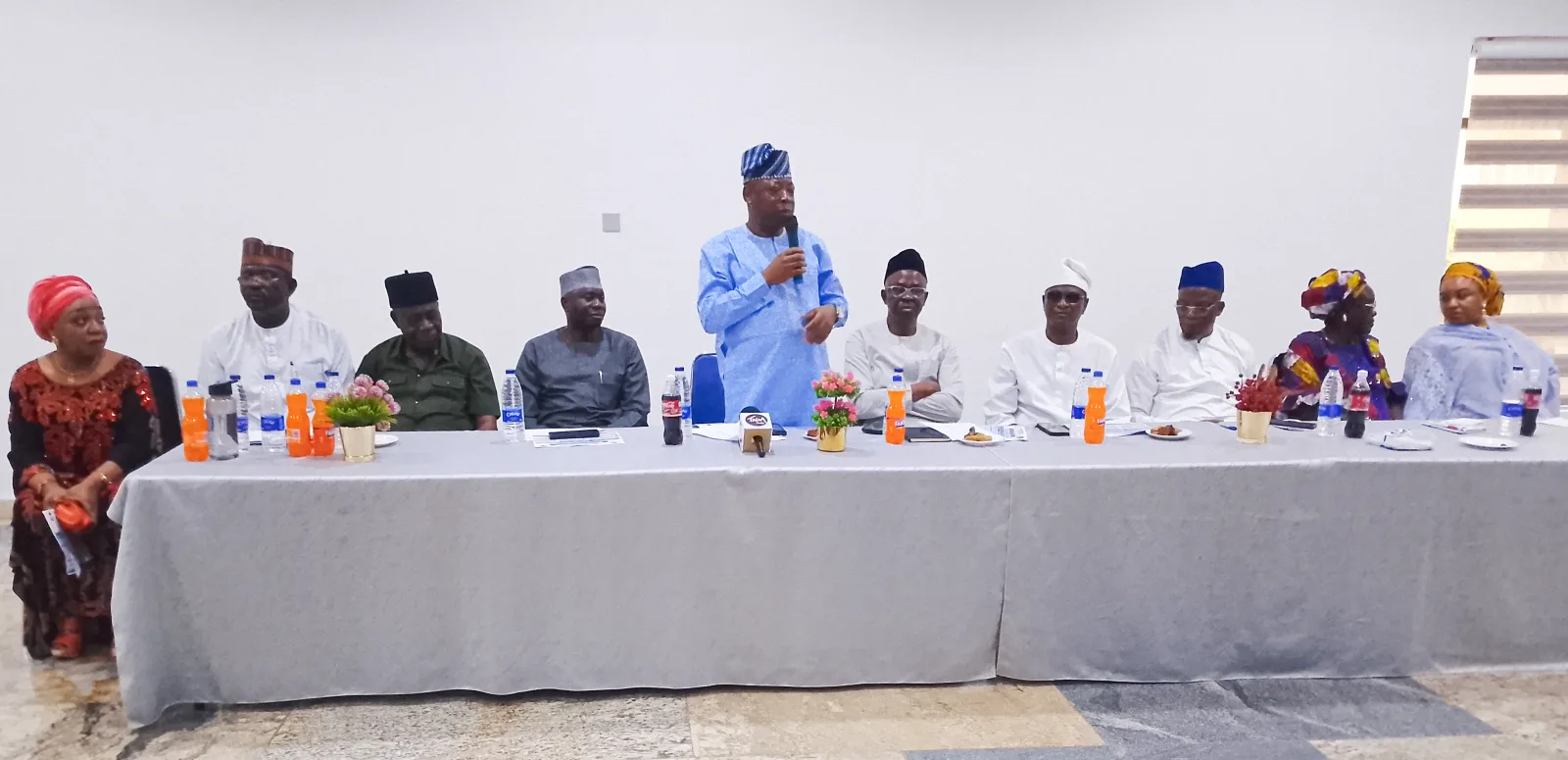
The meeting, held at the Federal Ministry of Labour in Abuja on Thursday, October 22, focused on demands for a reduction in petrol prices to 2024 levels, renegotiation of the national minimum wage, implementation of agreed tax relief measures and settlement of outstanding disputes affecting health workers and other public servants.
In a joint statement signed by NLC General Secretary Benson Upah and TUC Secretary-General Nuhu Toro, organised labour expressed disappointment that the government delegation allegedly lacked the authority required to negotiate substantively on the issues.
The unions said the meeting ended without concrete commitments, leaving the major demands unresolved.
According to the statement, the Minister of Labour requested that the discussions be postponed until October 27 to allow the government to make adequate preparations and ensure that relevant ministers and heads of departments and agencies participate in the negotiations.
Although the unions said they remained open to dialogue, they warned that workers would not accept continued delays in addressing their concerns.
Labour explained that it would brief its relevant organs on the outcome of Thursday’s meeting, adding that a decision on the next line of action would follow if Tuesday’s discussions failed to produce meaningful progress.
The NLC and TUC also urged their affiliate unions, state councils and civil society allies to remain prepared and begin mobilisation for possible nationwide action while awaiting the outcome of the rescheduled meeting.
However, the unions appealed to Nigerian workers and the general public to remain calm, expressing hope that the government would use the next meeting to address the outstanding demands.
The dispute comes amid persistent concerns about rising living costs, petrol prices and the pressure on workers’ purchasing power following recent economic reforms.
Nigeria’s national minimum wage was increased from ₦30,000 to ₦70,000 under the National Minimum Wage Act, 2024, following negotiations involving the Federal Government, organised labour and other stakeholders. Labour’s renewed call for renegotiation reflects its demand for further discussions on wages and the wider economic difficulties facing Nigerian workers.
The unions are also seeking the implementation of agreed tax relief measures and the resolution of outstanding issues involving the Joint Health Sector Unions (JOHESU) and the Joint Public Service Negotiating Council (JPSNC).
The JPSNC-related demands include matters concerning peculiar allowances, wage awards and hazard allowances, while the JOHESU dispute involves outstanding terms of settlement affecting health-sector workers.
The threat of industrial action raises the possibility of renewed tension between organised labour and the Federal Government if the parties fail to reach an agreement.
For now, the unions have left the door open to negotiations, saying they will attend Tuesday’s meeting while reserving any final decision on industrial action for their respective decision-making bodies.
Reporting by TalkNaijaMedia

Reader Comments (0)
No comments yet. Be the first to share your perspective on this report.