

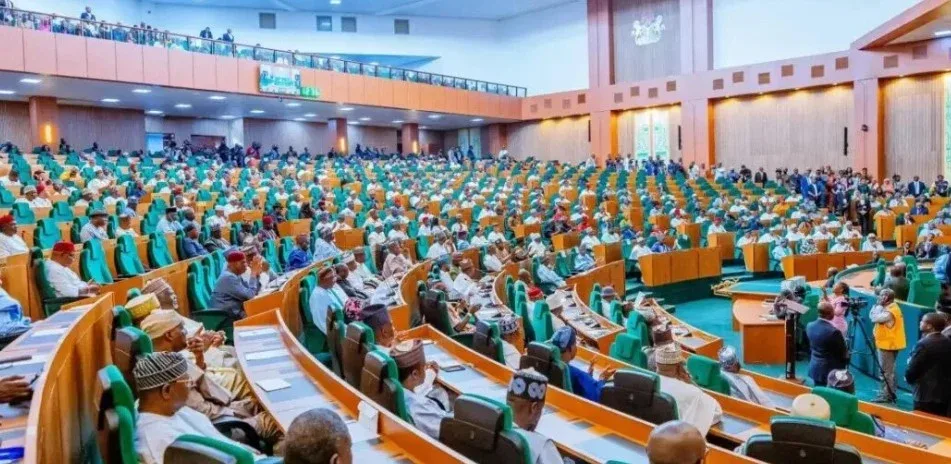
The resolution followed a motion of urgent national importance sponsored by Clement Jimbo, a member of the House representing Akwa Ibom State.
Presenting the motion, Jimbo said the disruption could have serious consequences for hospitals, laboratories, maternity centres and emergency units that depend on electricity to provide essential medical services.
He also warned that prolonged power outages could affect water supply, telecommunications, banking, educational institutions and small businesses, many of which rely on electricity to operate efficiently.
The lawmaker expressed concern that interruptions to power supply could compromise the operation of medical equipment, affect the storage of temperature-sensitive medicines and disrupt procedures requiring a reliable electricity source.
Jimbo further noted that alternative energy sources might not provide sufficient relief for every affected household or institution, particularly where backup systems are limited or unable to meet sustained demand.
Following deliberations, the House adopted the motion and urged the Federal Government, through the relevant electricity-sector authorities, to facilitate an amicable and lasting resolution between NUEE and BEDC.
The lawmakers also called on the union and the distribution company’s management to return to negotiations and take practical steps towards restoring electricity to affected communities.
In addition, the House mandated its Committees on Power and Labour and Employment to investigate the circumstances surrounding the dispute, identify the immediate causes of the shutdown and recommend measures to prevent similar disruptions in the future.
The lawmakers also urged relevant authorities to consider temporary power arrangements for hospitals, emergency medical facilities and other critical public services while efforts to resolve the dispute continue.
The dispute highlights the wider consequences of interruptions to electricity distribution, particularly in communities where public institutions, commercial activities and essential services depend heavily on the national power network.
The House’s intervention is intended to encourage dialogue between the parties, secure the restoration of electricity and address the issues responsible for the industrial disagreement.
Reporting by TalkNaija Media


Reader Comments (0)
No comments yet. Be the first to share your perspective on this report.