

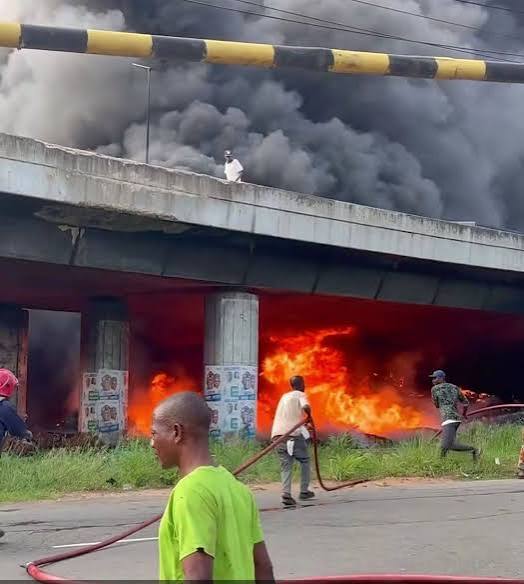
According to the FRSC, two adult male occupants of the tanker sustained injuries and were taken to the Lagos State Accident and Emergency Centre for treatment. No fatalities were recorded in the initial report. Emergency responders, including the Lagos State Fire and Rescue Service, Lagos State Traffic Management Authority and police, took part in rescue operations and traffic management.
The incident has renewed attention on the safety of the busy corridor, which connects Lagos with communities and commercial centres along the route towards Ogun State and beyond. Crashes involving heavy-duty vehicles can have serious consequences, particularly when tankers carrying flammable products are involved.
One of the most devastating incidents at the bridge occurred on June 28, 2018, when a petrol tanker fell, spilled its contents and exploded, setting nearby vehicles ablaze. The Lagos State Government later confirmed that 12 people had died. Contemporary reports from the FRSC and other media outlets recorded at least 54 vehicles burnt, although some later accounts cited higher figures.
Other collisions have occurred in the area over the years. In September 2026, a crash involving three trucks and two other vehicles near the bridge caused significant traffic disruption and left some people injured, according to reports from Channels Television.
The recurrence of such incidents has intensified questions about driver behaviour, vehicle maintenance, compliance with speed limits and the effectiveness of road-safety enforcement. Experts have also raised concerns about the way heavy traffic, road conditions and infrastructure design can combine to increase the consequences of a crash.
The FRSC has repeatedly warned that speeding is especially dangerous for operators of articulated vehicles. Heavy trucks require sufficient stopping distance, sound braking systems and careful handling, while tankers carrying petroleum products present additional risks when a collision or loss of control occurs.
The agency has urged drivers to observe speed limits, maintain safe following distances and avoid reckless manoeuvres. It has also called on fleet owners and transport operators to strengthen vehicle inspections, provide regular driver training and ensure that delivery schedules do not encourage unsafe driving.
The broader challenge extends beyond individual drivers. Consistent enforcement, proper vehicle maintenance, effective traffic management and evidence-based reviews of road infrastructure are all important components of preventing crashes and reducing their impact.
The FRSC’s annual road traffic data has previously documented crashes involving trucks and tankers along the Otedola Bridge corridor. The agency’s records for 2018 to June 2020 listed 124 road traffic crashes at Otedola Bridge, illustrating that the safety concerns predate the latest incidents.
As traffic volumes and commercial movement continue along the Lagos-Ibadan Expressway, repeated crashes at Otedola Bridge underline the need for sustained action by road-safety authorities, transport operators and infrastructure managers to prevent avoidable accidents and protect road users.
Reporting by TalkNaija Media




Reader Comments (0)
No comments yet. Be the first to share your perspective on this report.