
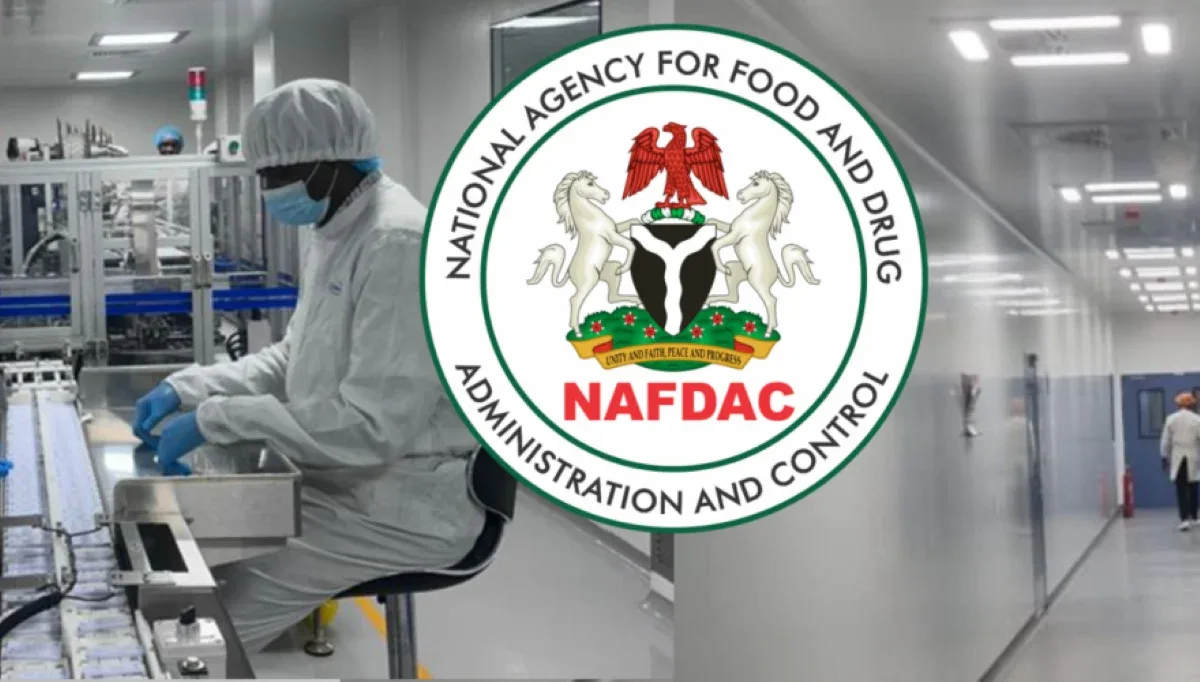
NAFDAC Director-General, Professor Mojisola Adeyeye, made the call during the Third African Food Regulatory Authorities Forum (AFRAF) held in Cairo, Egypt, from September 30 to October 2, 2026. The meeting brought together food regulatory authorities and other stakeholders to discuss a more coordinated approach to food control across Africa.
The forum was organised by the Global Food Regulatory Science Society in collaboration with the National Food Safety Authority of Egypt and other African and international partners.
Held under the theme “Advancing Africa’s Integrated Food Regulatory Future,” the meeting focused on issues including food safety, sanitary and phytosanitary coordination, risk analysis, regulatory cooperation, laboratory capacity and food innovation.
Adeyeye argued that African countries can no longer effectively manage food safety threats by operating largely within their individual national systems.
She pointed to increasingly interconnected food supply chains, expanding intra-African trade, food fraud, climate-related risks and technological changes as factors requiring closer cooperation among regulators.
According to the NAFDAC chief, African regulators need to move from simply working alongside one another to developing stronger systems for working together.
She called for increased investment in regulatory capacity, laboratory infrastructure, digital technology, skilled personnel and surveillance systems to enable authorities to identify and respond to emerging food safety threats more effectively.
Adeyeye also highlighted the importance of regulatory convergence across African countries.
She said stronger information sharing, mutual learning, improved analytical capacity and greater harmonisation of regulatory requirements could make it easier for countries to respond collectively to food safety challenges while supporting legitimate trade.
The forum also provided an opportunity for NAFDAC to showcase aspects of Nigeria's food control system, including its increasing use of risk-based regulation and preventive approaches to food safety.
The agency highlighted regulatory practices involving Good Hygiene Practices, Good Manufacturing Practices and Hazard Analysis and Critical Control Point systems, which are designed to identify and manage potential food safety risks before they reach consumers.
NAFDAC also presented its use of laboratory results, surveillance information and consumer complaints as part of its regulatory intelligence framework.
The agency's capacity for product traceability, recalls and enforcement was also highlighted, alongside its digital systems for supporting regulatory operations.
The discussions are particularly relevant as African countries seek to expand intra-African trade under the broader continental integration agenda.
A more coordinated food regulatory environment could help countries respond more quickly when unsafe products or food-related risks cross borders while also reducing unnecessary regulatory barriers for compliant businesses.
The forum also examined the wider need to strengthen Africa's food control systems through science-based and risk-based regulation.
NAFDAC said emerging issues such as climate variability, food fraud and antimicrobial resistance require regulators to continuously improve their capacity and adopt more effective monitoring systems.
The AFRAF forum itself was created as a platform for collaboration and information exchange among African food regulatory authorities. Its third meeting concluded in Cairo with support for a more coordinated and science-based regulatory environment across the continent.
For Nigeria, Adeyeye reaffirmed NAFDAC's willingness to share its regulatory experience and technical expertise while working with other African authorities, the African Union Commission and development partners.
The broader objective is to build food regulatory systems capable of protecting consumers while supporting safe and sustainable trade between African countries.
As food supply chains become increasingly interconnected, stronger cooperation among regulators could become an important part of Africa's efforts to ensure that food moving across borders meets appropriate safety standards.
Reporting by TalkNaijaMedia



Reader Comments (0)
No comments yet. Be the first to share your perspective on this report.