

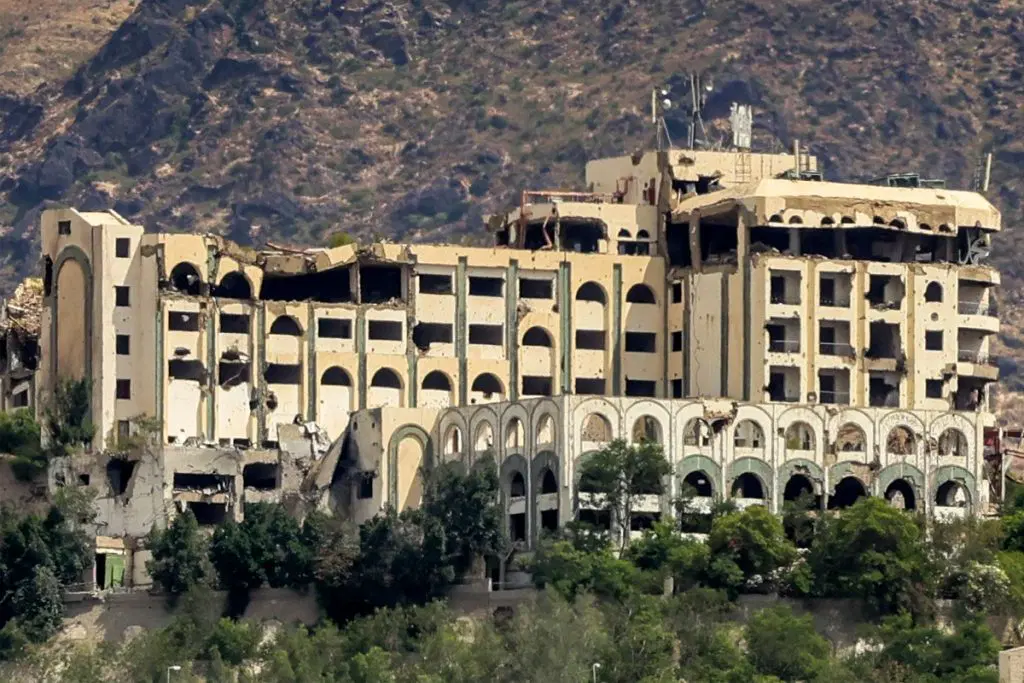
The airport halted operations on October 10 following an attack claimed by the Houthis that reportedly killed 13 people and injured more than 300. The incident was described in reports as one of the deadliest attacks in Saudi Arabia in more than a decade.
The reopening came amid fresh security alerts in Riyadh and other parts of the kingdom. Residents reported hearing explosions early Sunday, while Saudi authorities said air defences had intercepted missiles and drones targeting the capital and southern areas.
The Saudi-led coalition fighting the Houthis also reported intercepting a cruise missile aimed at Khamis Mushait and additional ballistic missiles directed towards the kingdom’s southern region. Saudi civil defence authorities said falling debris injured two people and damaged buildings and vehicles.
Despite the resumption of flights, Houthi military spokesperson Yahya Saree renewed warnings to airlines, airport workers and travellers, describing Riyadh airport as a military target and urging them not to use the facility.
The group also claimed it had targeted Saudi airports, energy installations, a pipeline and an air base within a 24-hour period. These claims were not independently verified.
The renewed fighting has disrupted travel and business activity in Saudi Arabia. Reports said the kingdom’s major investment conference had been postponed until 2027, while the security situation had also affected plans for other major events.
Meanwhile, Greek Prime Minister Kyriakos Mitsotakis visited Riyadh and met Crown Prince Mohammed bin Salman. Greece has deployed a US-made Patriot air-defence system in Saudi Arabia, and Mitsotakis indicated support for keeping the system in the kingdom amid the heightened security situation.
The two leaders also stressed the importance of protecting international maritime routes and maintaining the safe flow of energy supplies to global markets.
The latest escalation follows the breakdown of a years-long truce between Yemen’s Houthis and the internationally recognised government backed by Saudi Arabia. Saudi Arabia has increased its military involvement as fighting intensifies, raising concerns about further regional instability and disruptions to aviation and energy infrastructure.
Although airport operations have partially resumed, the Houthis’ renewed threats and continuing missile and drone attacks mean that the security situation remains volatile. Travellers have been advised to check directly with airlines and airport authorities for the latest flight information.
Reporting by TalkNaijaMedia



Reader Comments (0)
No comments yet. Be the first to share your perspective on this report.