

While Kano and Jos have recorded improvements in selected performance indicators under their respective investment arrangements, Kaduna Electric has faced more severe financial difficulties, prompting the Nigerian Electricity Regulatory Commission (NERC) to dissolve its board and begin the process of securing a replacement core investor.
NERC’s second-quarter 2026 report showed that seven distribution companies paid their adjusted invoices to the Nigerian Bulk Electricity Trading Plc (NBET) in full. Kano remitted 66.51 per cent of its relevant invoices, Jos paid 62.39 per cent, while Kaduna recorded 50.10 per cent.
Customer collections presented another challenge. Kano recorded a collection efficiency of 47.74 per cent, the lowest among the country’s 11 electricity distribution companies during the quarter, compared with an industry average of 81.06 per cent.
Kano’s collection performance deteriorated from 62.76 per cent in the first quarter, while its aggregate technical, commercial and collection (ATC&C) losses increased from 45.08 per cent to 60.43 per cent. The figures indicate that improvements in some areas have not yet produced consistent overall performance.
The challenges facing northern electricity distributors extend beyond company management. Limited transmission infrastructure, inadequate investment and dependence on the national grid have contributed to difficulties in maintaining reliable electricity supply across parts of the region.
KEDCO, which serves Kano, Katsina and Jigawa states, has previously experienced major supply disruptions linked to damage to transmission infrastructure. Such incidents demonstrate the vulnerability of distribution companies when electricity supply is interrupted upstream. However, the extent to which grid disruptions contributed to Kano’s second-quarter 2026 collection figures has not been established by the available data.
Future Energies Africa took over as KEDCO’s core investor on November 1, 2023, with a mandate to improve service delivery, reduce losses and modernise the distribution network.
In the first six months following the takeover, the company reported that its billing efficiency increased from 75 per cent in January 2024 to 80 per cent in June. It also reported a reduction in ATC&C losses to 42 per cent.
KEDCO has subsequently reported improvements in billing and market remittance indicators. However, its latest quarterly figures show that collection efficiency and overall losses remain major concerns.
The company has also pursued infrastructure improvements, including network upgrades and the development of electricity distribution facilities. Such projects are intended to strengthen supply and improve the capacity of the network to serve customers, although their long-term impact will depend on sustained investment and measurable improvements in service delivery.
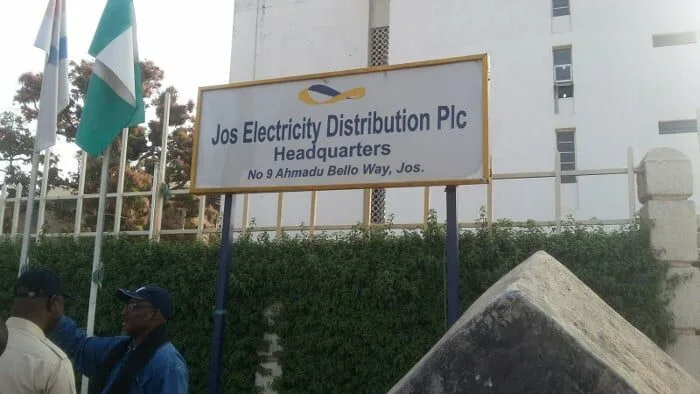
Jos Electricity Distribution Company has also recorded changes in some key performance indicators. NERC’s first-quarter 2026 figures showed that its collection efficiency stood at 58.41 per cent, while its payment performance against relevant market invoices was reported at 68.25 per cent.
The company’s second-quarter figures, however, showed a market remittance rate of 62.39 per cent and ATC&C losses of 61.30 per cent. These results suggest that the company continues to face difficulties converting operational improvements and investment efforts into stronger overall commercial performance.
Investment support could help Jos address infrastructure gaps, improve collections and reduce technical and commercial losses. But sustained progress will depend on the amount of capital deployed, the effectiveness of management and the company’s ability to meet regulatory performance requirements.
Kaduna Electric presents a different picture. On August 10, 2026, NERC dissolved the company’s board following prolonged financial and operational difficulties.
According to the regulator, Kaduna Electric had accumulated approximately ₦456.5 billion in market obligations by May 2026, including more than ₦118.6 billion in additional debt incurred under ASI Engineering Limited, which took over as core investor in June 2024.
NERC also cited weak market remittances, high distribution losses and inadequate capital investment. The company recorded ATC&C losses of 71.88 per cent in 2025 and invested ₦2.48 billion against a stated capital requirement of ₦24.51 billion.
The regulator appointed an interim board and administrator to oversee the company during the transition. It also directed a competitive process to identify a replacement core investor, with Afreximbank assigned a coordinating role.
The intervention underscores the seriousness of Kaduna Electric’s financial difficulties and the regulator’s concern about the company’s ability to meet its market obligations while maintaining reliable distribution services.
The contrasting situations in Kano, Jos and Kaduna illustrate the challenges of turning around electricity distribution companies operating with infrastructure deficits, weak collections and substantial financial obligations.
For Kano and Jos, attracting and retaining credible investment could support network upgrades, better metering, improved customer service and stronger financial management. Nevertheless, the latest NERC figures show that neither company has yet achieved consistently strong performance across all key indicators.
The data also highlight the importance of assessing performance over time rather than relying on isolated improvements. While investment may provide the resources needed to address longstanding problems, results must be demonstrated through improved electricity delivery, higher collections, lower losses and stronger compliance with market obligations.
For Kaduna, the immediate challenge is to implement a sustainable recovery under the regulatory transition and secure an investor with sufficient financial capacity and operational expertise.
Ultimately, the future performance of northern Nigeria’s electricity distribution companies will depend on a combination of sustained capital investment, accountable management, stronger transmission infrastructure and effective regulatory oversight.
The current changes in ownership and governance provide an opportunity to address longstanding weaknesses, but lasting improvements will require measurable results that benefit both the electricity market and the customers who depend on it.
Reporting by TalkNaijaMedia


Reader Comments (0)
No comments yet. Be the first to share your perspective on this report.