

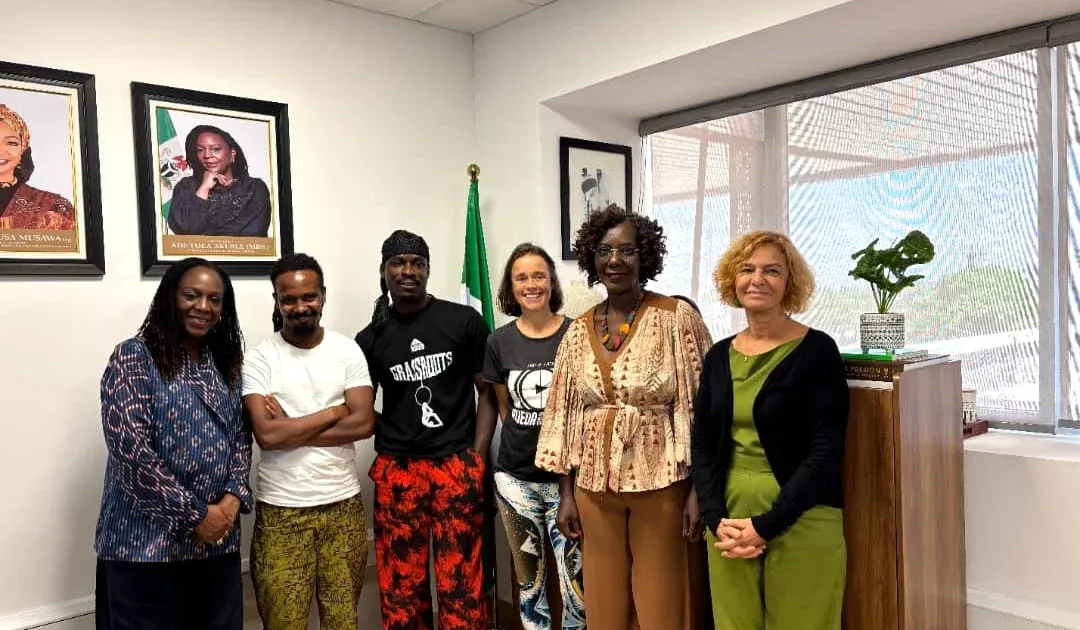
Nigeria could be on the path to developing a more structured contemporary circus industry, with the General Manager and Chief Executive Officer of the National Theatre, Tola Akerele, highlighting the country's existing performance talent and the need to create opportunities for professional growth.
Akerele made the remarks during a press briefing at the National Theatre in Iganmu, Lagos, ahead of the inaugural Lagos Contemporary Circus Festival, tagged Circus in Motion, scheduled for October 3 and 4, 2026.
The festival is designed to connect Nigeria's rich cultural heritage with contemporary circus practices, bringing together acrobatics, dance, movement, theatre and other forms of physical performance. Its organisers hope to create a platform where Nigerian performers can develop their skills, collaborate with international practitioners and explore opportunities within the global creative industry. (The Guardian; Punch)
Speaking at the briefing, Akerele said Nigeria already had many of the skills associated with contemporary circus, although they were not always recognised or developed under that description.
She pointed to traditional dances, acrobatics, masquerade performances and other forms of physical expression as examples of existing artistic practices that could provide a foundation for a distinct Nigerian circus identity.
According to her, the major task is to identify people who already possess these abilities, expose them to additional techniques and provide the facilities, training and professional networks required to help them progress.
Akerele explained that the initiative was not intended to simply reproduce European circus traditions in Nigeria. Rather, she said the country should develop its own style by combining local cultural expressions with knowledge and experience from international practitioners.
The National Theatre chief also described the project as an opportunity to create employment and introduce young Nigerians to alternative career paths within the creative economy. She said circus performance could become a source of income for people willing to develop their abilities and approach the profession with commitment.
Founder of La Fabrique Culturelle, Chantal Djedje, supported the need to recognise the circus elements already present in African cultural performances. She argued that traditional movements and physical skills across the continent could be developed into contemporary stage productions rather than being overlooked because they are commonly classified as traditional art.
Djedje also pointed to street performers in Lagos as evidence of the artistic abilities available within local communities. She referenced Côte d'Ivoire's experience in developing its circus sector, noting that the art form could provide young people with opportunities to acquire professional skills and build careers.
Dereje Dange, co-founder and Artistic Director of Ethiopia's Fekat Circus, also highlighted the potential for African performers to build sustainable careers through circus. Drawing from Ethiopia's experience, he explained that the sector had developed from a relatively small beginning into a professional performance community with artists finding opportunities in different parts of the world.
Swiss circus artist Jessica Arpin, meanwhile, emphasised the diversity of skills and abilities that the art form accommodates. She explained that contemporary circus includes different performance disciplines, allowing artists to explore areas suited to their individual interests and capabilities. She also stressed the importance of discipline and taking care of the body for performers who hope to sustain long-term careers.
The festival will feature international practitioners and organisations from countries including Ethiopia, Senegal, Côte d'Ivoire and Switzerland. They include Fekat Circus, SenCirk, Ivoire Cirque Décalé and Jessica Arpin. Their participation forms part of a wider effort to encourage cultural exchange and transfer professional skills to Nigerian performers. (Punch)
Ahead of the public performances, the programme also includes an intensive training residency designed to expose young Nigerian artists to contemporary circus techniques, acrobatics, theatre and stagecraft. The initiative has been developed with support and collaboration from international cultural partners, including the European Union Delegation to Nigeria and the Embassy of Switzerland through Pro Helvetia. (THISDAY)
Beyond the performances, organisers are interested in developing a lasting structure for the industry. Their ambition includes establishing Nigerian circus companies capable of creating original productions, performing locally and eventually touring internationally.
The National Theatre has also indicated interest in expanding the initiative beyond Lagos in the future, although further development will depend partly on resources, partnerships and sustained investment.
For Nigeria's creative sector, the proposed development could open another avenue for young people to turn artistic interests into professional opportunities. It also presents an opportunity to showcase Nigerian stories and cultural traditions through a performance style that connects local creativity with international audiences.
As Circus in Motion prepares to open in Lagos, the immediate focus is on bringing performers together, exposing emerging artists to new techniques and laying the groundwork for a more organised contemporary circus community in Nigeria.





Reader Comments (0)
No comments yet. Be the first to share your perspective on this report.