

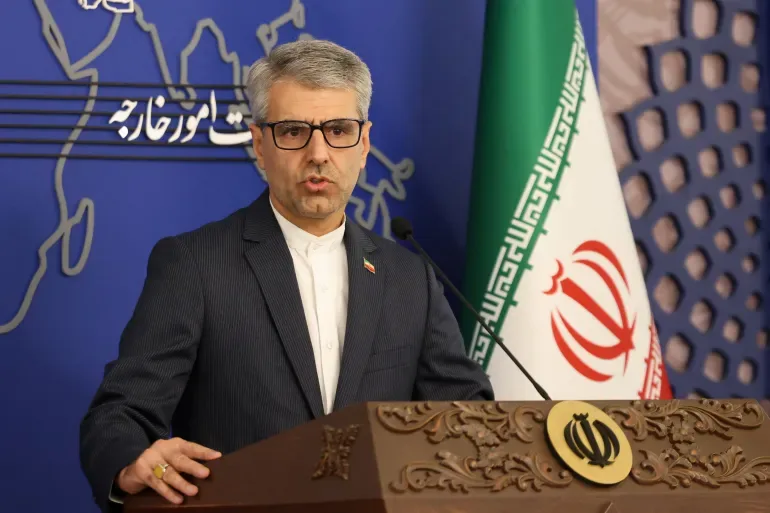
Iranian Foreign Ministry spokesperson Esmaeil Baghaei said the discussions offered an opportunity for countries in the region to explore security arrangements based on their shared interests, rather than relying primarily on outside powers.
Baghaei described the approach as “endogenous security”, a concept Tehran has promoted for years. He argued that lasting regional stability would depend on cooperation, trust and greater consideration of the security concerns of countries in the region.
The visiting officials included Saudi Defence Minister Prince Khalid bin Salman, Pakistan’s Chief of Army Staff, Field Marshal Asim Munir, and Türkiye’s intelligence chief, Ibrahim Kalin. They were expected to hold discussions with Iranian officials, including Mohsen Rezaei, secretary of Iran’s Supreme National Security Council.
According to Iranian officials, the agenda included regional security challenges, developments in Palestine and Lebanon, Israel’s regional policies, and the wider consequences of the conflict involving Iran, the United States and Israel.
The talks come at a time of heightened instability across the Middle East, with growing concerns that continued military confrontation could draw more countries into the crisis. Diplomatic efforts involving regional governments have therefore taken on added importance as officials seek ways to contain tensions and prevent further escalation.
The meeting also brings together Iran and the three signatories of the Mecca Joint Defence Agreement, signed by Saudi Arabia, Pakistan and Türkiye in August 2026. The agreement provides for collective defence cooperation among its members, but Iran is not a signatory.
The participation of officials from all four countries in the Tehran discussions signals an effort to maintain diplomatic contact despite their differing security interests and positions on the regional conflict.
Iran has consistently argued that countries in the Middle East should take greater responsibility for regional security. The latest meeting reflects that position, although the extent to which the discussions will produce a lasting security framework remains uncertain.
The talks are also taking place alongside broader mediation efforts involving countries seeking to reduce tensions between Washington and Tehran. Whether these diplomatic initiatives can produce concrete agreements will depend on the willingness of the parties to compromise on their security concerns and political demands.
For now, the Tehran meeting represents an important channel for dialogue at a time when military tensions continue to threaten regional stability.
Reporting by TalkNaijaMedia

Reader Comments (0)
No comments yet. Be the first to share your perspective on this report.