

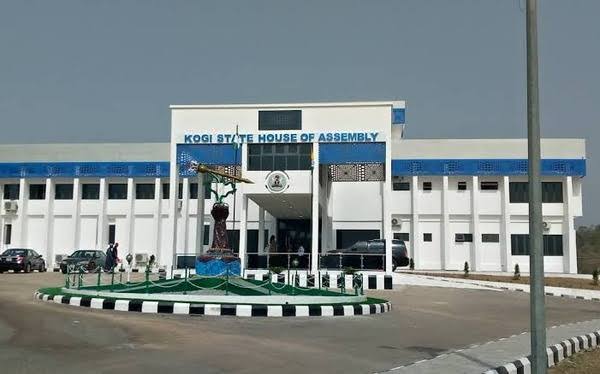
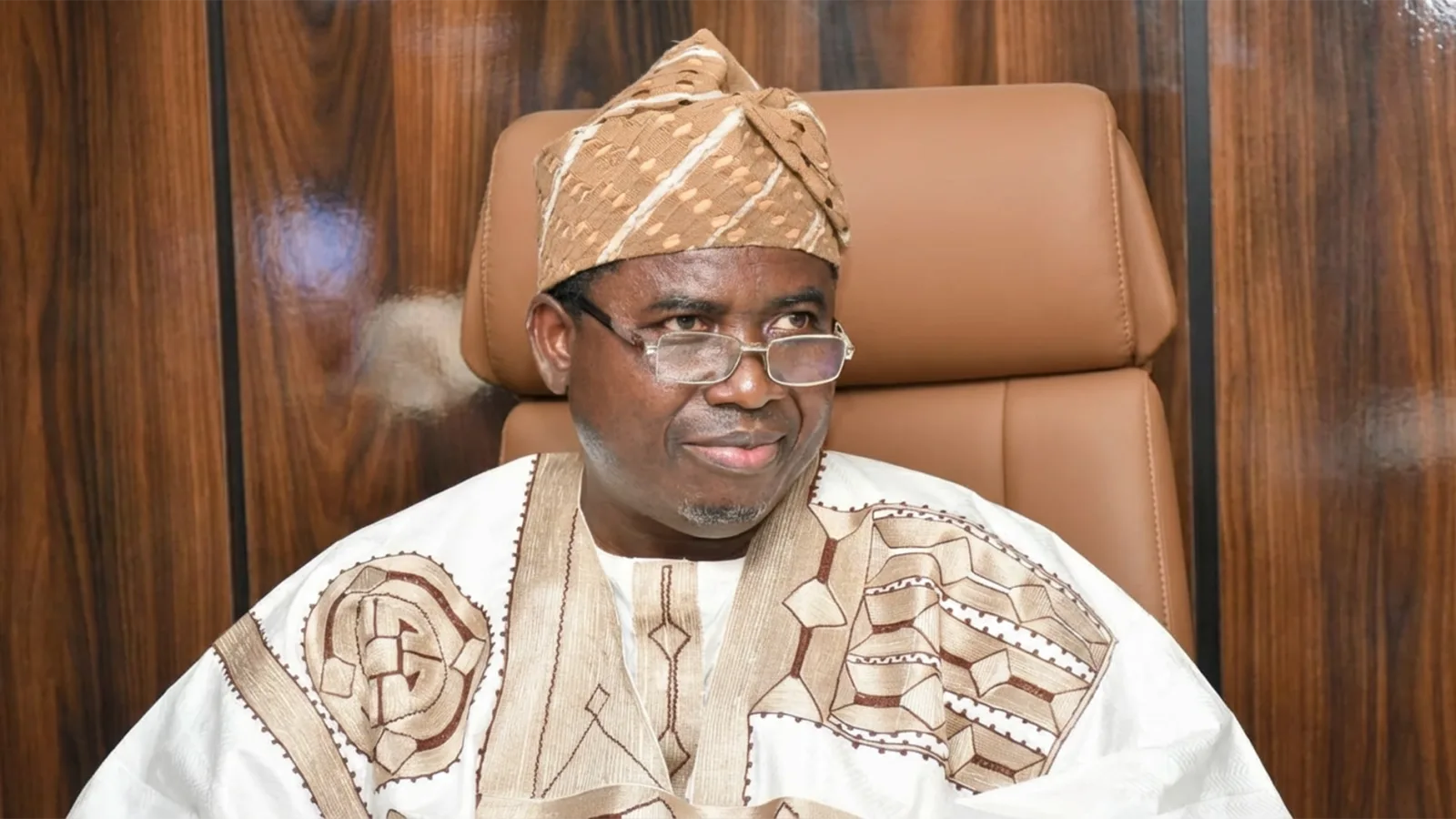
Speaker of the House, Aliyu Umar Yusuf, described the decision as an important step in Kogi State’s position on the proposed reform, which has remained a subject of national debate amid concerns about insecurity and the effectiveness of existing policing arrangements.
Yusuf said a state policing system could enable authorities to recruit personnel familiar with local communities, terrain and security challenges. He argued that such knowledge could support intelligence gathering, improve response times and complement the operations of the Nigeria Police Force.
According to the Speaker, decentralised policing could also reduce administrative delays that sometimes affect security operations. He added that recruiting personnel within states could create employment opportunities for young people, although the scale of any future recruitment would depend on the legislation and resources available.
Lawmakers who supported the amendment said a more locally responsive policing structure could help address security threats and strengthen law enforcement at the community level.
The proposal is part of a wider constitutional amendment process initiated at the federal level. The Senate passed the state police amendment in June 2026, while the House of Representatives approved it in July before the bill was transmitted to state assemblies for consideration under Section 9 of the 1999 Constitution.
Under the constitutional amendment procedure, approval from at least 24 of Nigeria’s 36 State Houses of Assembly is required for the proposed alteration to meet the two-thirds state ratification threshold. The Kogi Assembly’s decision adds to the state-level approvals recorded in the process.
However, passage by the Kogi Assembly does not, by itself, establish a state police service or mean the proposed system is already operational. Further constitutional and legislative steps are required before the framework can be implemented.
In a separate item of legislative business, the Assembly also advanced a bill seeking to repeal the Bureau of Lands Law, 2025, and re-enact the Bureau of Lands (Establishment) Law, 2026. The measure passed its second reading for further legislative consideration.
Reporting by TalkNaijaMedia



Reader Comments (0)
No comments yet. Be the first to share your perspective on this report.