

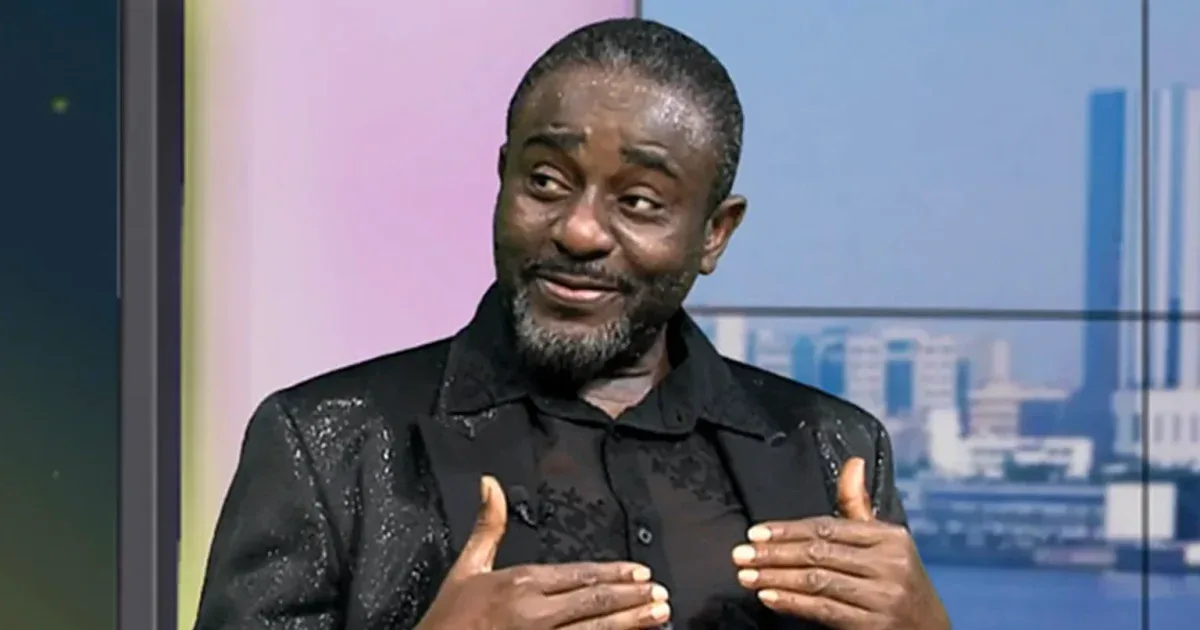
The dispute followed a post Olayinka published on his X account in May, which Ike alleged exposed his personal voter registration information, including details of a transfer from Imo State to the Federal Capital Territory.
Ike subsequently filed the suit, numbered FHC/ABJ/CS/1272/2026, through his lawyer, L. T. Adeh. He asked the court to declare that publishing the information without his consent violated his constitutional right to privacy and his right to the protection of personal data.
The actor relied on Section 37 of the 1999 Constitution, Article 12 of the Universal Declaration of Human Rights and provisions of the Nigeria Data Protection Act, 2023, in support of his case.
Apart from seeking ₦10 billion in general and aggravated damages against the respondents, Ike asked the court to direct Olayinka to remove the disputed post from his X account and issue a written apology.
He also sought a declaration that INEC had a legal duty to protect voters’ personal information against unauthorised access. The actor further argued that a statement issued by the electoral commission on June 2, following the circulation of the information online, amounted to an admission of liability.
The case emerged while Ike was pursuing a political ambition to contest the AMAC/Bwari Federal Constituency seat in the House of Representatives in the 2027 general elections under the Nigerian Democratic Congress (NDC). He later lost the party’s primary election.
INEC opposed the suit, arguing that the information at the centre of the dispute was neither classified nor confidential. The commission maintained that it had legal responsibilities relating to the compilation, display and management of the voters’ register under the applicable electoral framework.
In its response, INEC also denied that the information allegedly shared by Olayinka had originated from its database. It maintained that its secured voter registration systems had not been compromised.
Olayinka equally denied wrongdoing. He argued that the material he published contained only Ike’s name and passport photograph, which he claimed were already publicly available and had not been obtained unlawfully.
The FCT minister’s aide further maintained that he had no legal duty to obtain Ike’s consent before publishing the material in question. He urged the court to reject the actor’s claims and damages demand.
The court’s decision followed its consideration of the respondents’ preliminary objections and the substantive claims brought by Ike.
The dismissal means Ike’s ₦10 billion claim was unsuccessful at the Federal High Court. However, the ruling should not be interpreted as a general declaration that all voter information may be published without restriction; the legal treatment of personal data depends on the applicable law and the circumstances of each case.
Reporting by TalkNaijaMedia





Reader Comments (0)
No comments yet. Be the first to share your perspective on this report.