

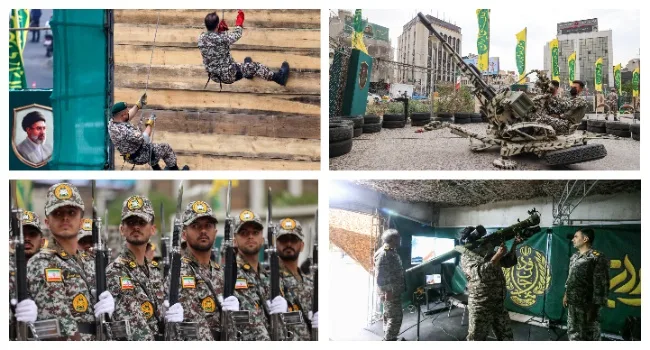
Iran has said there is no military solution to its ongoing conflict with the United States, as diplomatic efforts to reach an agreement remain deadlocked over the future of the strategically important Strait of Hormuz.
Foreign Minister Abbas Araghchi made the position clear on Sunday while addressing a gathering of foreign ambassadors, saying Iran would respond more forcefully if military confrontation resumed but insisting that negotiations remained the route to a settlement.
Araghchi's comments came amid continued disagreement between Tehran and Washington over the conditions for ending hostilities and restoring normal commercial shipping through the Strait of Hormuz, a major route for global energy supplies.
Iranian officials have maintained that the waterway will remain closed until seven conditions linked to an interim understanding reached with the United States in June are fulfilled. Iranian Parliament Speaker Mohammad Bagher Qalibaf reiterated that position on Sunday, saying Tehran's proposal presented during the United Nations General Assembly provided for reopening the strait within seven days once its conditions were met.
The dispute centres on the sequencing of concessions. Iran has sought an end to the US naval blockade, relief from sanctions, the unfreezing of Iranian assets and guarantees concerning a ceasefire, while Washington has pressed for commitments relating to Iran's nuclear programme and the reopening of the major shipping route.
Iranian Foreign Ministry spokesman Esmaeil Baqaei said Tehran's immediate priority was the Strait of Hormuz and argued that normal maritime traffic could not resume while Iranian commercial shipping remained subject to what Iran considers restrictions.
The United States, meanwhile, has rejected Iran's latest proposal as insufficient, although President Donald Trump has indicated that diplomatic contacts could continue. Trump has also left open the possibility of renewed US military action if negotiations fail.
Tensions have also continued around commercial shipping in the region.
The United Kingdom Maritime Trade Operations (UKMTO) reported on Sunday that a tanker had been struck by an unidentified projectile while in the Strait of Hormuz. The incident caused damage to the vessel's engine room, but the crew were reported safe and no environmental impact had been reported at the time of the notice. UKMTO did not identify the vessel, its cargo or the party responsible for the incident.
The latest incident followed other reports of vessels being struck in and around the waterway in recent days. UKMTO has issued several warnings concerning maritime incidents in the area and advised vessels to exercise caution.
The Strait of Hormuz is particularly significant because it connects the Persian Gulf with the Gulf of Oman and serves as a major route for oil and other energy shipments from Gulf producers. Disruptions in the waterway have therefore raised concerns in global energy markets and among shipping operators.
The current conflict began after US and Israeli military action against Iran in February, with Washington and Jerusalem saying their campaign was aimed at addressing concerns over Iran's nuclear programme. Tehran has long denied seeking to develop nuclear weapons.
Although the intensity of US military operations against Iran has fallen in recent weeks, Washington has continued to apply economic pressure while maintaining a significant military presence in the wider Middle East.
Recent reports indicate that the United States has strengthened its regional defensive posture, including additional missile-defence capabilities and naval assets, as tensions with Iran remain unresolved.
Indirect diplomatic contacts have continued through intermediaries, with Qatar playing a role in communications between Washington and Tehran. Reuters reported that the latest discussions have focused heavily on the Strait of Hormuz, sanctions and the conditions surrounding a possible return to negotiations over Iran's nuclear programme.
For now, the two sides remain divided over the order in which concessions should be made. Iran wants sanctions and the naval blockade addressed alongside the reopening of the strait, while the United States is seeking broader commitments from Tehran.
With shipping security, energy supplies and the wider Middle East conflict all tied to the negotiations, the standoff over Hormuz remains one of the major obstacles to a broader diplomatic settlement.
Reporting by TalkNaijaMedia


Reader Comments (0)
No comments yet. Be the first to share your perspective on this report.