

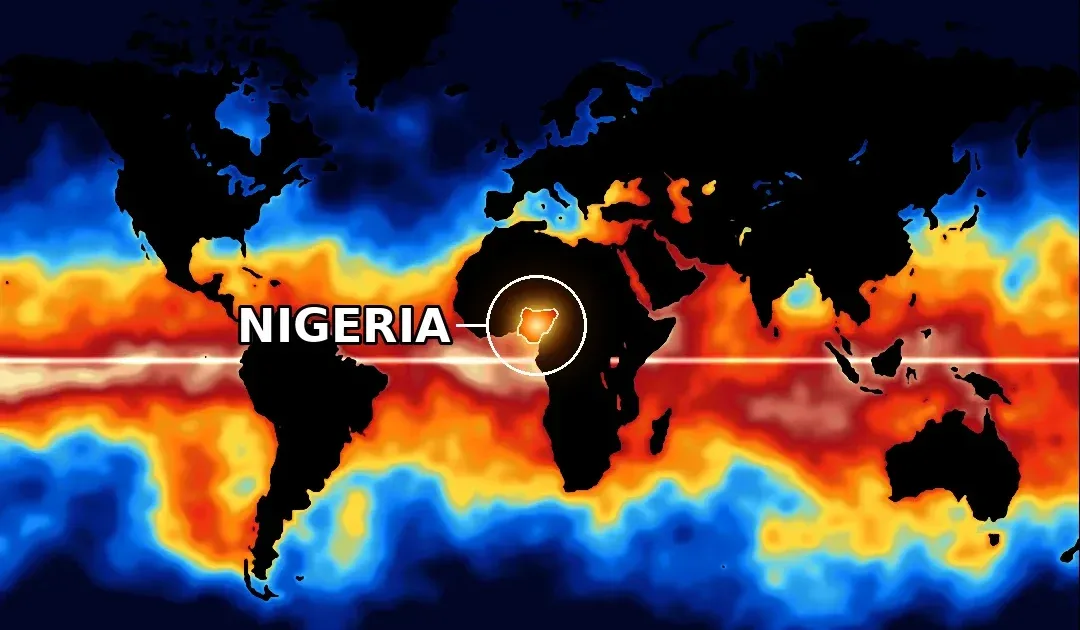
El Niño is a natural climate phenomenon that occurs when sea-surface temperatures in the central and eastern tropical Pacific Ocean become warmer than usual. It can influence atmospheric circulation, changing rainfall and temperature patterns in different regions of the world. Its effects, however, vary from one location to another and are not always the same from one event to the next.
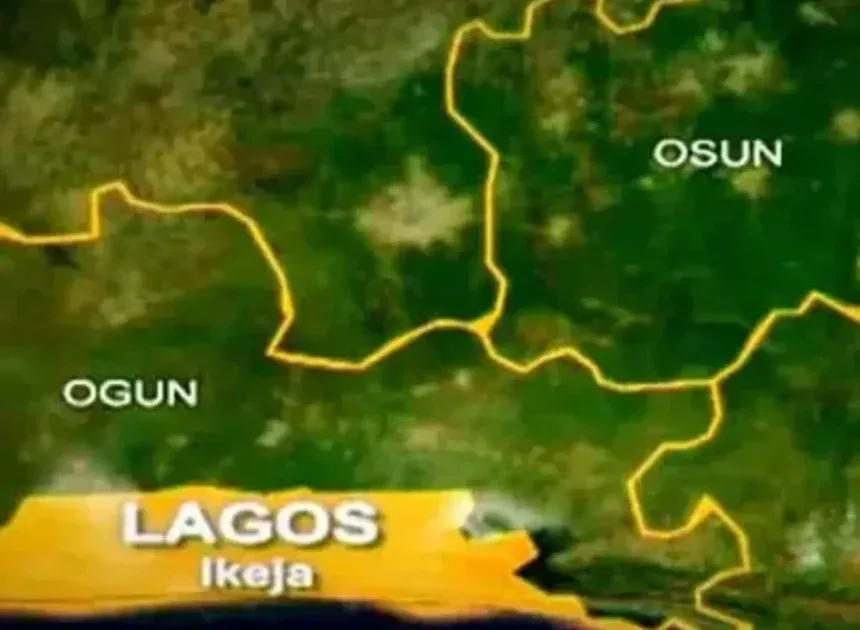
According to NiMet’s seasonal outlook, wetter-than-normal conditions were expected in parts of northern Nigeria, including Sokoto, Kebbi, Zamfara, Katsina, Kano, Yobe, Borno, Bauchi and Jigawa states. Drier-than-normal conditions were forecast for parts of the South-West and South-South, including Oyo, Ogun, Osun, Ekiti, Edo and Delta, with possible effects extending to Kogi and parts of Benue State.
The agency also projected normal to above-normal rainfall in parts of the north, normal to below-normal rainfall in the South-West and Cross River State, and generally normal rainfall across other areas.
These projections are seasonal forecasts rather than guarantees of the weather conditions that will occur in every community. Actual rainfall can differ from expectations, making it important for residents, farmers and public authorities to follow updated local forecasts.
NiMet warned that rainfall variations could create challenges for agriculture. Too little rain can reduce soil moisture and affect crop development, while excessive rainfall may increase the risk of waterlogging, flooding and damage to farmland.
The agency highlighted concerns about crop production in Borno and Yobe, where below-normal rainfall was forecast for August. It warned that dry conditions during sensitive crop-growth stages, including flowering and grain filling, could increase the risk of lower yields.
Farmers were advised to apply fertiliser carefully during dry spells and, where appropriate, wait until effective rainfall before applying it to improve nutrient uptake. The agency also recommended monitoring farms for weeds, pests and diseases, particularly where wetter conditions could encourage their spread.
In areas expecting heavier rainfall, NiMet urged farmers to keep drainage channels clear to reduce the risk of flood damage and seek guidance from agricultural extension officers on suitable farming practices.
The forecast also raised concerns about water resources. Prolonged periods of reduced rainfall can limit the amount of water entering rivers, streams, lakes, reservoirs and dams. If such conditions persist, they may place pressure on domestic water supplies, irrigation systems and industrial activities.
NiMet also identified reduced groundwater recharge as a possible concern, particularly in locations where groundwater extraction is already high. Lower water inflows into reservoirs and dams could affect water supply schemes and agricultural irrigation if the conditions become severe or prolonged.
Hydropower generation could also face pressure if water inflows decline significantly. In such circumstances, electricity producers may need to rely more heavily on other sources of power. However, these are potential risks, not confirmation that water shortages or electricity disruptions will occur.
Public health is another area that may be affected by changing weather conditions. Flooding, inadequate sanitation and interruptions to safe water supplies can increase health risks, while changes in temperature and rainfall may influence mosquito breeding and the spread of some infectious diseases.
NiMet also warned that extreme weather conditions could threaten food production and worsen food insecurity in vulnerable communities. The extent of any impact would depend on the severity and duration of the weather conditions, local preparedness and access to essential services.
The agency recommended stronger monitoring and wider distribution of weather information to help communities prepare for possible climate-related risks. Its proposed measures included promoting drought-tolerant and early-maturing crop varieties, improving irrigation infrastructure, harvesting rainwater, managing reservoirs strategically and positioning relief supplies in areas vulnerable to extreme weather.
Farmers and other affected groups are encouraged to consult updated NiMet forecasts and relevant agricultural advisories before making weather-dependent decisions. Authorities can also use seasonal projections to strengthen preparations for possible flooding, dry spells and pressure on water resources.
The World Meteorological Organization has separately reported that El Niño was established by August 2026 and was expected to strengthen further, with the potential to shift rainfall and temperature patterns globally. However, the presence of El Niño does not mean that every region will experience drought, flooding or unusually high temperatures.
As the climate pattern develops, regular updates from meteorological authorities will be important in helping Nigerians assess local risks and make informed decisions.
Reporting by TalkNaijaMedia



Reader Comments (0)
No comments yet. Be the first to share your perspective on this report.