


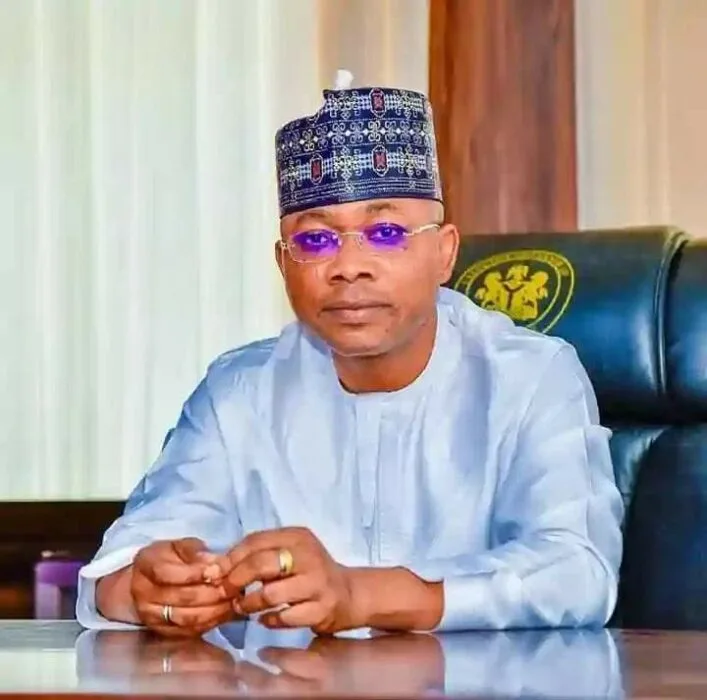
Minister of State for Health, Dr. Adekunle Salako, represented by Dr. Ovuoraye John, Director and Head of the Department of Health Planning, Research and Statistics, said countries needed to work together to tackle healthcare workforce shortages rather than rely on isolated national approaches.
He said the regional plan would complement a continental initiative aimed at deploying two million community health workers across Africa by 2028.
The discussions come amid concerns about the unequal distribution of healthcare professionals globally. WAHO cited estimates that Africa carries about 24 per cent of the global disease burden but has only three per cent of the world’s health workforce. The organisation also highlighted projections indicating that the continent will need millions of additional health workers by 2030.
The meeting addressed the growing movement of doctors, nurses and other medical professionals to countries offering better pay, working conditions and career opportunities. Often described in Nigeria as the “japa” trend, the migration has raised concerns about the ability of West African countries to retain enough trained personnel to meet local healthcare needs.
Salako said the simultaneous organisation of regional and continental health meetings in Nigeria presented an opportunity to align priorities and develop coordinated responses to workforce shortages.
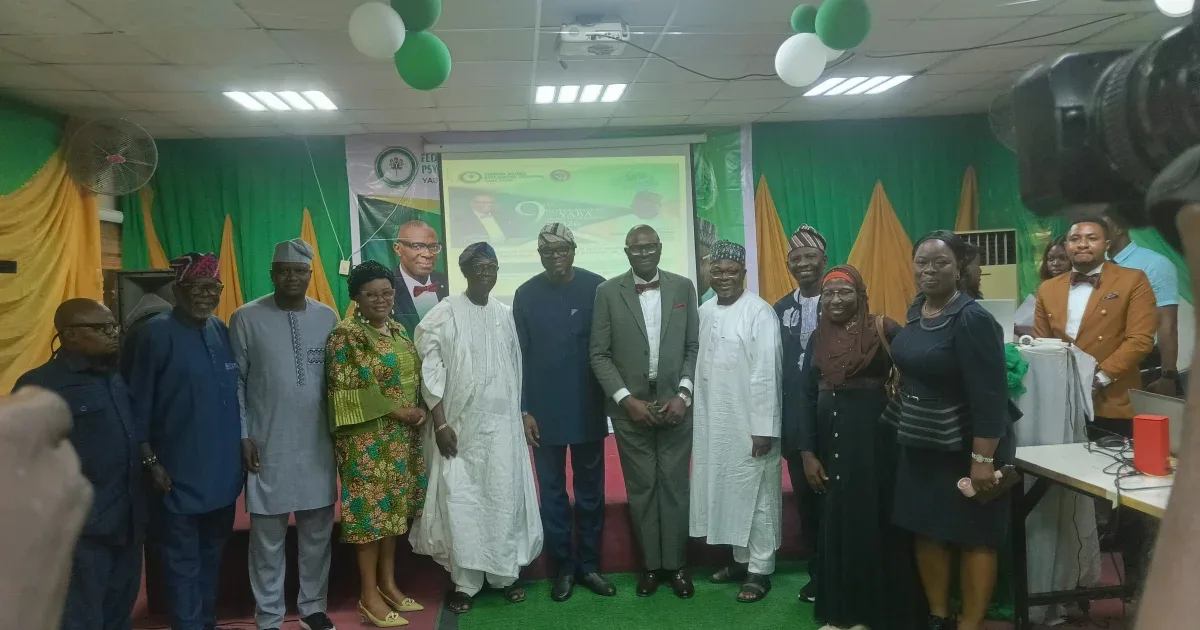
The activities coincided with events marking the 50th anniversary of the West African College of Physicians and a high-level African Union forum on community health workers scheduled in Abuja from October 28 to 30.
Representing the West African College of Surgeons, Professor Foluso Owoeye said the performance of healthcare systems depended not only on infrastructure but also on the availability, competence and motivation of health professionals.
He warned that investments in medical education and training could deliver limited benefits to countries if trained professionals continued to leave without adequate measures to improve retention.
Owoeye urged participants to develop a work plan with measurable targets, clear responsibilities and realistic timelines. He also called for stronger links between training and long-term career development through mentorship, research opportunities and professional advancement.
WAHO Director-General Professor Palokinam Pitch, represented by the organisation’s Director of Public Health and Research, Professor Joseph Olorunda, said regional leaders had called for a long-term framework to guide health workforce planning over the next five, 10, 15 and 20 years.
According to Pitch, the document is expected to be completed and presented to the ECOWAS Assembly of Health Ministers. He also said work was under way to harmonise professional training curricula, with 58 curricula reportedly developed to support the movement of qualified health workers across member states.
The proposed framework is expected to address remuneration, working conditions, career progression and the distribution of health workers, particularly in underserved communities. Its effectiveness will depend on how clearly the recommendations are translated into national policies, funding commitments and measurable implementation targets.
The discussions also highlighted the need to prepare health systems for rising non-communicable diseases and other emerging challenges, including the effects of climate change.
On public health precautions, Salako urged participants to follow Nigeria’s Ebola prevention protocols during the meetings. Nigeria confirmed an imported case of Ebola disease on October 20, 2026, and the patient was evacuated to Switzerland on October 26 after her condition improved.
The Nigeria Centre for Disease Control and Prevention reported that 54 contacts had been identified by October 26, with monitoring continuing. The patient’s evacuation did not end the need for surveillance and other containment measures.
The regional meeting reflects growing recognition that retaining health professionals will require sustained investment, improved working environments and coordinated action among West African governments.
Reporting by TalkNaijaMedia



Reader Comments (0)
No comments yet. Be the first to share your perspective on this report.