

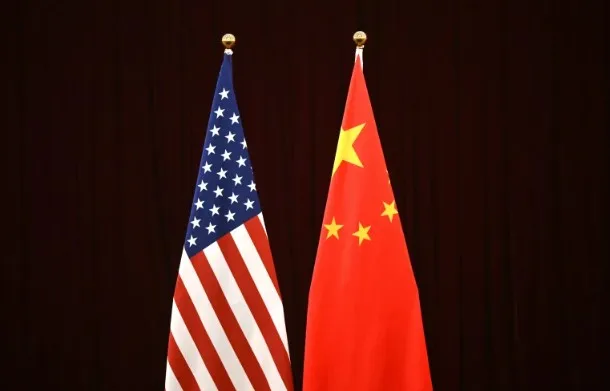
Guo argued that educational exchanges between China and the United States help promote mutual understanding between their citizens and should not be undermined by political tensions.
The dispute follows Washington’s concerns about the activities of Confucius Institutes, which receive Chinese government funding and operate to promote Mandarin language learning and Chinese culture at universities and other institutions abroad.
US authorities have raised concerns that some of the centres could serve as channels for Chinese Communist Party influence. The United States has also introduced restrictions affecting federal funding for certain activities involving foreign-funded language and cultural programmes at American universities.
On Friday, US Defence Secretary Pete Hegseth said his department had dismantled dozens of organisations over a two-month period that he alleged had returned under different names while maintaining the same mission. He described the organisations as threats to national security.
China’s foreign ministry did not accept the characterisation of Confucius Institutes as a security threat, insisting that cooperation in education and culture should be protected from political interference.
Established over the past two decades, Confucius Institutes have expanded internationally, offering Mandarin lessons, cultural activities and exchange programmes. They are often compared with cultural organisations such as Germany’s Goethe-Institut and the British Council, although their funding and governance arrangements differ.
Despite their educational role, the institutes have faced scrutiny in several countries over concerns about academic freedom, transparency and potential political influence. Some universities have closed or discontinued partnerships with them following public debate and government pressure.
The controversy reflects wider tensions between Beijing and Washington over foreign influence, education and national security. While China maintains that the institutes encourage cultural understanding, critics argue that their links to the Chinese state require stronger oversight.
The future of Chinese cultural and educational programmes at American universities will likely remain a point of contention as both countries continue to debate the boundaries between international cooperation and national security.
Reporting by TalkNaijaMedia



Reader Comments (0)
No comments yet. Be the first to share your perspective on this report.