

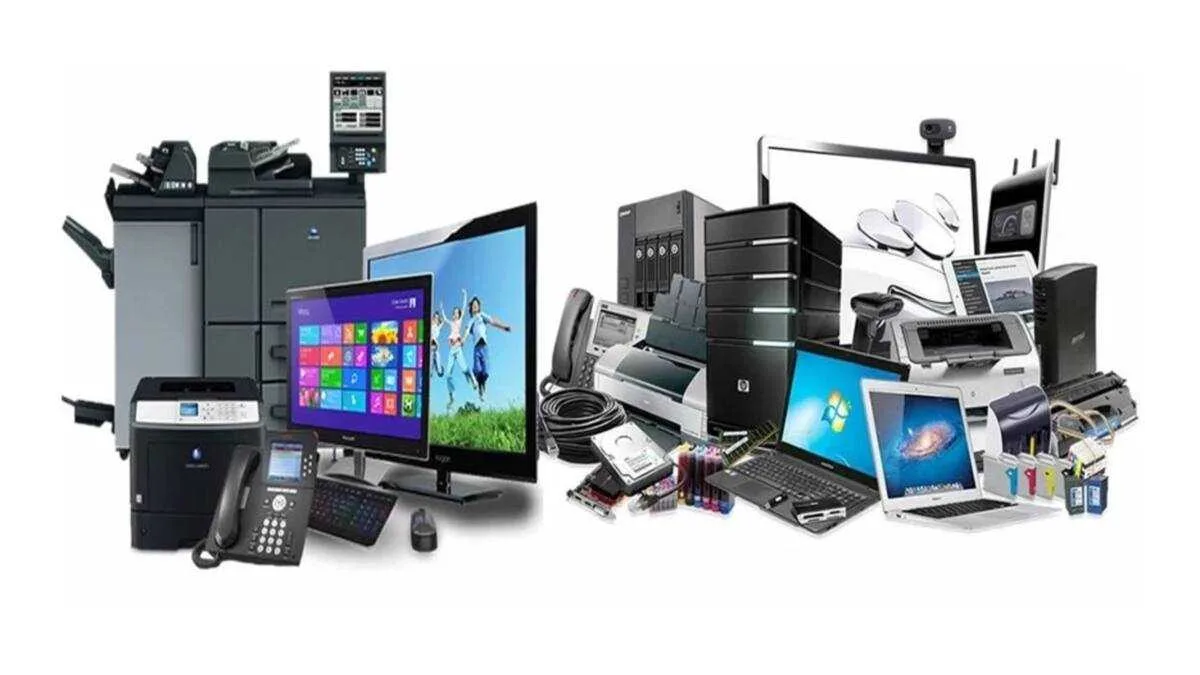
Technology has become part of everyday life, and many of the devices people use regularly fall within the wider world of information and communication technology (ICT).
ICT covers a broad range of technologies used to create, process, store, transmit and exchange information. It includes computers and mobile phones, but also networks, internet services, communication systems, broadcasting equipment and storage technologies.
Some ICT devices are already familiar to almost everyone, while others have become more popular as technology has developed. Understanding what these gadgets do can help users make better choices about how to use technology at home, in school, at work and while travelling.
Here are 20 common ICT gadgets and their everyday uses:
1. Smartphones
Smartphones are among the most widely used ICT devices. They combine communication, computing, photography, internet access and entertainment in one portable device. People use them to make calls, send messages, access websites, use apps, attend online meetings, take photographs, manage email and access educational resources.
2. Tablets
Tablets are portable touchscreen computers that generally have larger displays than smartphones. They can be used for browsing the internet, reading digital books, watching videos, attending virtual classes, using productivity applications and playing games. Their portability also makes them useful for mobile learning.
3. Laptops
Laptops provide many of the functions of desktop computers in a portable form. Students and professionals use them for writing documents, research, online meetings, programming, graphic work, data analysis, entertainment and other computing tasks.
4. Desktop computers
Desktop computers are designed to remain in a fixed location and are widely used in schools, offices, businesses and homes. They can handle tasks ranging from word processing and internet browsing to accounting, software development, graphic design and other demanding applications.
5. Smartwatches
Smartwatches are wearable computers that are worn on the wrist. Depending on the model, they can display notifications, provide communication features, monitor physical activity and connect with smartphones. Smartwatches are part of the wider growth of mobile and wearable technology.
6. Fitness trackers
Fitness trackers are wearable devices designed primarily to monitor physical activity. Depending on the device, they can record steps, activity levels, distance and other measurements. They can help users keep track of their daily activity and set personal goals.
7. Virtual reality headsets
Virtual reality headsets create immersive digital environments that users can interact with. They are used in areas such as gaming, training, simulation, education and virtual experiences. UNESCO also identifies simulations and virtual reality among technologies that can support learning.
8. Augmented reality devices
Augmented reality technology adds digital information or computer-generated elements to a user's view of the physical world. AR can be used for education, training, entertainment, navigation, design and other applications.
9. Digital cameras
Digital cameras capture photographs and videos electronically. They remain useful for photography, journalism, filmmaking, events, business documentation and content creation.
10. Portable speakers
Portable speakers allow users to play audio from compatible devices without relying on permanently installed speakers. They are commonly used at home, during outdoor activities, presentations and social gatherings.
11. Wireless headphones and earbuds
Wireless headphones and earbuds use wireless connections to receive audio from compatible devices. They can be used for listening to music and podcasts, watching videos, participating in calls and attending online meetings.
12. Power banks
Power banks are portable batteries that can supply power to compatible electronic devices when a conventional power outlet is unavailable. They are particularly useful when travelling or during periods when access to electricity is limited.
13. USB flash drives
USB flash drives are small portable storage devices used to save and transfer files. They can hold documents, photographs, videos and other digital files. Flash storage is widely used in portable electronics because it is compact and does not require continuous power to retain stored information.
14. Memory cards
SD and other memory cards provide removable storage for compatible electronic devices. They are commonly found in cameras and other portable electronics and can be used to store photographs, videos, documents and other data.
15. External hard drives and SSDs
External storage drives provide additional space for storing and backing up digital files. They can be useful for photographs, videos, schoolwork, business documents and other data that users do not want to keep solely on a computer or phone.
16. Smart home security systems
Smart security systems can combine devices such as cameras, sensors, alarms and connected controls to help users monitor their homes. Depending on the system, users may be able to receive notifications or check connected devices remotely.
17. Smart locks
Smart locks are electronic locking systems that can provide alternative ways of controlling access to a building. Depending on the model, they may support methods such as digital codes, mobile applications or other electronic authentication systems.
18. Smart lighting
Smart lighting allows connected lights to be controlled through compatible switches, applications, timers or other automated systems. Users can create schedules or control lighting remotely, depending on the equipment installed.
19. Smart thermostats
Smart thermostats are connected temperature-control devices that can allow users to monitor or adjust heating and cooling settings. Some models support schedules and remote control through connected devices.
20. Smart TVs
Smart TVs combine conventional television functions with internet-connected features. Depending on the model and available services, users can stream videos, access applications, browse online content and connect other digital devices.
Beyond entertainment and communication, ICT devices have become increasingly important in education. Smartphones, tablets and laptops can provide students with access to digital learning materials, online classes, research resources and communication platforms. UNESCO notes that mobile technology can support learning both inside and outside the classroom.
ICT can also make communication faster and more flexible. People can use mobile phones, computers, email, messaging platforms, video conferencing and other digital tools to communicate across long distances. The wider ICT ecosystem includes not only physical devices but also the networks and services that allow information to move between people and systems.
However, owning more gadgets does not automatically mean getting more value from technology. Users need to consider what a device is actually needed for, its compatibility with other equipment, security features, durability, storage capacity, battery life and the total cost of ownership before making a purchase.
Excessive or poorly managed technology use can also create challenges, including reduced physical activity, distractions and less face-to-face interaction. The goal should therefore be to use ICT deliberately and responsibly rather than simply increasing the amount of time spent with digital devices.
For students in particular, ICT gadgets can be valuable learning tools when they are used appropriately. A laptop can support research and assignments, a tablet can provide access to digital learning materials, while smartphones can provide communication and access to educational resources.
Ultimately, ICT gadgets are tools. Their usefulness depends largely on how they are selected and used. Understanding the purpose of each device can help individuals, students, families and businesses get more practical value from technology in their daily lives.





Reader Comments (0)
No comments yet. Be the first to share your perspective on this report.