

The five-day conference, themed “The Future of the Nigerian Criminal Justice System: Institutional Synergy, Policy Reforms and Judicial Readiness,” brought together legal practitioners, government officials and other stakeholders to examine challenges across the criminal justice process.
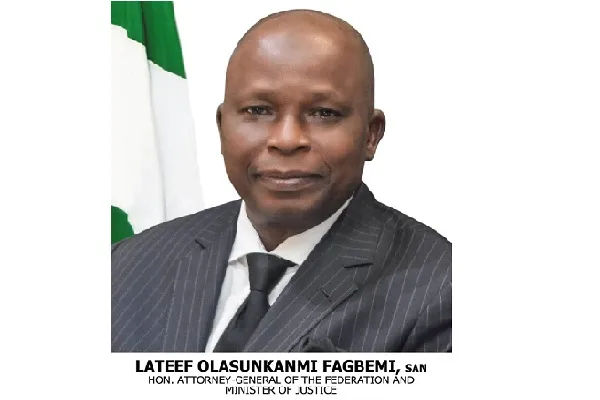
Speaking at the opening ceremony, the Attorney-General of the Federation and Minister of Justice, Lateef Fagbemi, SAN, identified delays in criminal proceedings, weak investigations, prolonged pretrial detention and poor coordination among relevant institutions as major obstacles requiring urgent attention.
Fagbemi said the effectiveness of the justice system depended on the quality of investigations, diligent prosecution, efficient courts and the ability of correctional institutions to perform their responsibilities.
He stressed the need for closer cooperation between investigators and prosecutors, particularly in complex criminal cases, explaining that early collaboration could help identify weaknesses in evidence, improve case preparation and reduce unnecessary delays.
However, he cautioned that institutional cooperation must operate within constitutional and statutory boundaries and must not undermine judicial independence or the discretion of prosecutors.
The minister described criminal justice administration as one of the state's most important responsibilities, noting that the system must protect the rights of individuals, ensure accountability and maintain public confidence in the rule of law.
He also acknowledged that Nigeria had made progress in criminal justice reforms but said persistent institutional gaps continued to affect the effective delivery of justice.
President of the Nigerian Bar Association (NBA), Oyinkansola Badejo-Okunsanya, SAN, highlighted the human consequences of delays and inefficiencies within the system, urging participants to move beyond discussions and produce recommendations that could be implemented within clearly defined timelines.
She drew attention to the high number of people awaiting trial in correctional centres, citing Nigerian Correctional Service figures showing that 53,670 inmates were awaiting trial out of a total custodial population of 82,195 as of June 29, 2026. This represents approximately 65 per cent of the population.
Badejo-Okunsanya said the figures demonstrated that the challenges facing correctional facilities could not be addressed without improving investigations, access to legal representation, prosecution processes and the handling of cases before the courts.
She further observed that judicial preparedness alone could not resolve problems caused by incomplete investigation files, unavailable witnesses, poorly prepared prosecutions or defendants who lack competent legal representation.
According to her, every institution involved in criminal justice administration must recognise how its performance affects the next stage of the process and, ultimately, the experience of people seeking justice.
The NBA president also called for careful consideration of proposed reforms to the Administration of Criminal Justice framework, stressing the importance of identifying the institutions responsible for implementing new measures, the resources required and the timelines for assessing progress.
She urged lawyers and other professionals to examine their own roles in the system, including their responsibility to prepare cases properly, avoid unnecessary delays and uphold professional standards.
Earlier, the founder and coordinator of ROLDF, Joseph Bodunrin Daudu, SAN, said the annual conference was established to provide a platform for reviewing developments in criminal law and examining emerging issues affecting justice administration.
Daudu explained that this year's discussions would cover the entire criminal justice process, including crime detection, prosecution, adjudication and the responsibilities of correctional institutions.
He also highlighted the importance of reviewing existing laws governing the powers and responsibilities of the police and other law enforcement agencies, while acknowledging the difficult conditions under which courts carry out their duties.
The conference is expected to examine ways of improving cooperation among criminal justice institutions, strengthening existing laws and preparing the judiciary and other stakeholders for emerging legal and technological challenges.
Reporting by TalkNaijaMedia




Reader Comments (0)
No comments yet. Be the first to share your perspective on this report.