

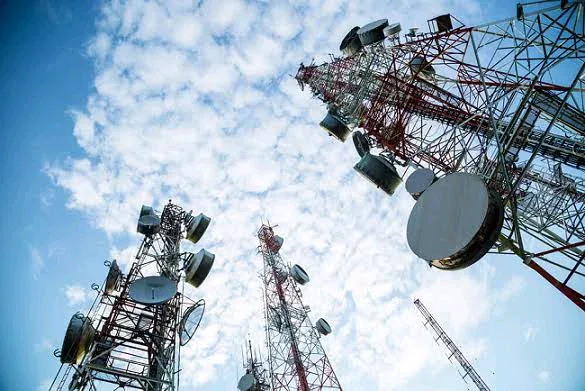
The figures suggest that despite the growing availability of 5G-enabled smartphones and increasing demand for high-speed internet, the technology is yet to achieve widespread adoption across Nigeria.
However, activity among 5G-capable devices in major cities indicates that consumer interest is increasing. Findings from the third-quarter Quality of Experience (QoE) assessment conducted by the NCC in partnership with Ookla show a significant rise in the proportion of compatible devices connecting to 5G networks in Lagos and Abuja between February and August 2026.
In Abuja, the figure increased from 31.4 per cent to 52.3 per cent, representing a 20.9 percentage-point rise. Lagos also recorded an increase, moving from 27.5 per cent to 43.6 per cent within the same period.
Combined, the two cities recorded an increase from approximately 30 per cent to 48 per cent.
The figures point to a growing number of users accessing 5G where the service is available. However, having a compatible smartphone does not guarantee access to the technology in every location, as coverage and network capacity remain important factors.
The NCC has also highlighted persistent differences in network performance between urban and rural communities, alongside the gap between 5G availability and the quality of service experienced by subscribers.
Nigeria’s data consumption figures further demonstrate the pressure on telecommunications infrastructure. Subscribers used approximately 1.731 million terabytes of data in September 2026, compared with 1.756 million terabytes in August.
Although consumption declined slightly in September, it remained the second-highest monthly figure recorded, reflecting the growing reliance on mobile internet for banking, education, entertainment, business transactions and communication.
The increase in data traffic places additional demands on operators to improve network capacity, coverage and reliability. Telecom companies also face deployment challenges linked to equipment costs, foreign exchange pressures, energy expenses, fibre infrastructure and right-of-way charges.
MTN Nigeria maintained its leading position in 5G activity across Lagos and Abuja, accounting for 51.3 per cent of 5G-capable device activity in Lagos and 52.2 per cent in Abuja, according to the QoE assessment. The operator also recorded the highest speeds in the report.
Airtel Nigeria followed with 37.7 per cent of 5G device activity in Lagos and 37.5 per cent in Abuja. The company has continued expanding its infrastructure, with Chief Executive Officer Dinesh Balsingh disclosing in October that Airtel had deployed more than 1,000 additional 5G sites in 2026.
T2mobile, formerly known as 9mobile, recorded 25.7 per cent of 5G-capable device activity in Lagos and 12 per cent in Abuja. However, the report cautioned that its results were based on a relatively small number of observations compared with its subscriber base.
The NCC also noted that T2’s network performance figures reflect its national roaming arrangement with MTN, which took effect in October 2025.
Globacom recorded approximately 0.1 per cent of 5G connection activity in both Lagos and Abuja in the assessment, leaving it with a limited presence in the cities’ 5G comparisons.
Beyond adoption and speed, the QoE assessment raised concerns about customer experience, indicating that satisfaction deteriorated across the four operators.
The finding suggests that increasing 5G activity has not necessarily translated into a consistently better experience for subscribers. Network reliability, coverage gaps, congestion and inconsistent service can still affect users, including those with 5G-compatible devices.
For businesses, unreliable connectivity can disrupt digital payments, online transactions, cloud-based operations and virtual meetings. Individual subscribers may also find that owning a more advanced smartphone does not automatically deliver the faster and more dependable service they expect.
The federal government is pursuing wider digital infrastructure development through Project BRIDGE, an initiative designed to support the deployment of approximately 90,000 kilometres of fibre-optic infrastructure across Nigeria.
The project is expected to strengthen the country’s broadband backbone and improve the availability of fibre connections that mobile operators need to support high-capacity networks.
However, expanding fibre infrastructure alone will not guarantee widespread 5G adoption. Operators will still need to invest in additional network sites, spectrum, radio equipment, power supply and other facilities required to extend coverage and improve service quality.
The latest figures present a challenge for Nigeria’s telecommunications industry. While the increasing use of 5G-capable devices in Lagos and Abuja shows that consumer readiness is improving, the technology’s national market share remains relatively low.
The next stage of the country’s 5G development will therefore depend on how effectively operators and regulators address infrastructure gaps and improve network reliability.
Until coverage and service quality improve, many Nigerians with 5G-enabled smartphones may continue to rely largely on older network technologies despite the growing demand for faster connectivity.
Reporting by TalkNaijaMedia

Reader Comments (0)
No comments yet. Be the first to share your perspective on this report.