

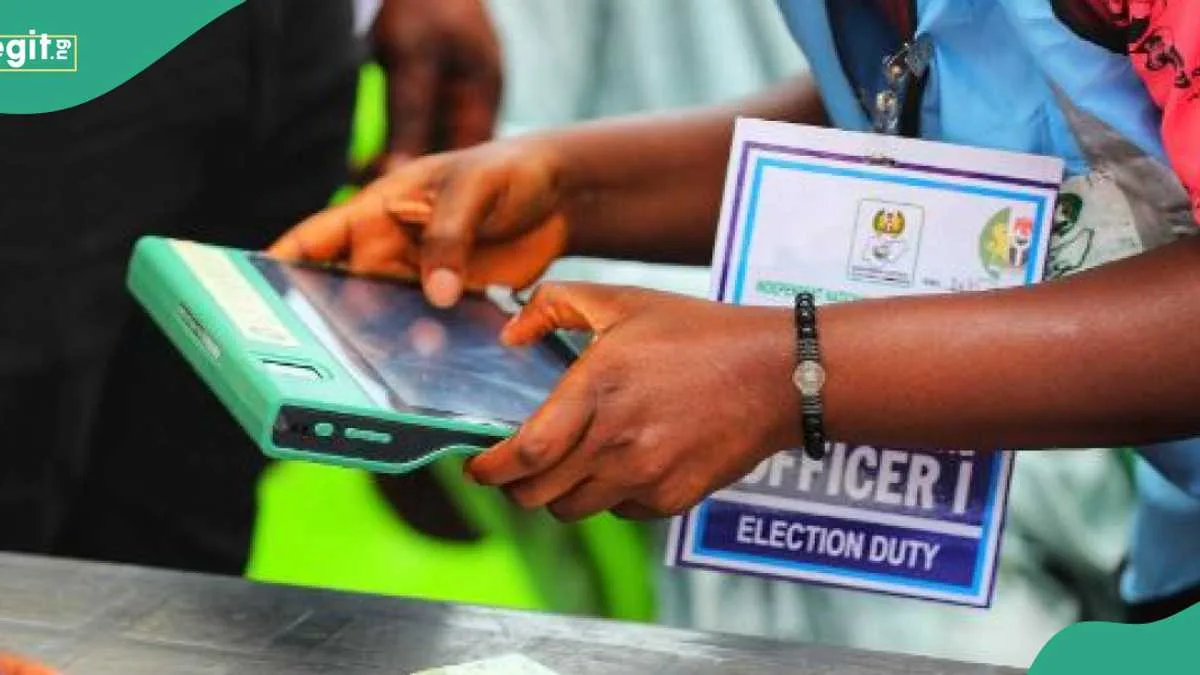
The findings were contained in the third edition of Yiaga Africa’s National Voting Intentions Survey (NVIS 3.0), titled “Willing but Wary: How Nigerians Intend to Vote in 2027.”
The survey, conducted in September 2026, involved 2,470 Nigerians aged 18 and above across all 36 states and the Federal Capital Territory. Yiaga Africa used telephone interviews and, for the first time in the series, face-to-face interviews in rural communities.
According to the findings, 84 per cent of respondents said they were likely or very likely to vote in the 2027 general elections. However, only 41 per cent were both likely to vote and very certain about their choice, highlighting the uncertainty surrounding the presidential race.
Reports on the survey also put the proportion of eligible voters who have not yet settled on a presidential candidate at about 44 per cent, suggesting that a large portion of the electorate could still be influenced by campaign messages, candidates’ policies and developments before election day.
The survey further revealed a major gap between Nigerians’ willingness to vote and their confidence in the electoral process.
Only 34 per cent of respondents said they were confident that the Independent National Electoral Commission would conduct credible elections, down from 45 per cent in each of the previous two rounds of Yiaga Africa’s survey. Distrust was particularly pronounced in the South-East and South-South.
Insecurity also emerged as a major threat to voter turnout. Sixty-one per cent of respondents said fear of electoral violence could prevent them from voting, with the figure rising to 78 per cent in the North-East.
At the same time, 83 per cent said better security would make them more likely to participate in the elections. Yiaga Africa has consequently called for stronger election security measures ahead of the January 2027 presidential poll.
The survey suggests that voters are more confident in some election technologies than in the institutions responsible for managing the process. About 49 per cent of respondents expressed trust in the use of the Bimodal Voter Accreditation System and the INEC Result Viewing Portal for accreditation and results transmission.
Awareness of electoral reforms has also increased, rising from 24 per cent in December 2025 to 62 per cent in the latest survey.
Beyond the electoral process itself, the survey points to the economy and government performance as major factors that could shape voting decisions.
A desire for a change in leadership was identified by 49 per cent of respondents as their leading motivation for voting. The economy and jobs followed at 38 per cent, while security was identified by 36 per cent as a major policy concern.
The survey also found that 54 per cent of respondents disapproved of President Bola Tinubu’s performance, while 71 per cent rated the state of the Nigerian economy as poor or very poor.
Young Nigerians also showed weaker enthusiasm for voting compared with older respondents. Only 40 per cent of young respondents said they were very likely to vote, compared with 64 per cent among respondents aged 61 and above. Younger voters also reported greater fear of electoral violence, lower confidence in INEC and heavier reliance on social media for election information.
The survey comes as the 2027 presidential contest takes shape. INEC has already published the final list of 18 presidential candidates for the January 16, 2027 election.
President Bola Tinubu is seeking re-election on the platform of the All Progressives Congress (APC), while former Vice President Atiku Abubakar is contesting under the African Democratic Congress (ADC). Former Anambra State Governor Peter Obi is the presidential candidate of the Nigeria Democratic Congress (NDC).
The Economist has also weighed in on the contest, arguing in an October 1 editorial that Tinubu could still win a second term despite public dissatisfaction with his administration.
The publication pointed to what it described as Nigeria’s complicated electoral dynamics, including the advantages of incumbency and the fragmentation of the opposition. Atiku and Obi are running on separate party platforms, despite being among Tinubu’s strongest opposition figures from the 2023 election.
Yiaga Africa, however, says the latest findings should not be interpreted as a prediction of the election outcome.
The organisation’s message is that Nigerians remain interested in participating, but insecurity, distrust in electoral institutions and money politics could prevent that willingness from translating into actual turnout.
With the presidential election scheduled for January 16, 2027, the survey suggests that the battle for undecided voters will be significant, while the ability of political parties and electoral authorities to address voters’ concerns could ultimately influence participation.
Reporting by TalkNaijaMedia


Reader Comments (0)
No comments yet. Be the first to share your perspective on this report.