

The study was conducted by Temitayo O. Ajayi, Oladapo A. Adetunji and Jones O. Moody, all affiliated with the University of Ibadan's Faculty of Pharmacy. It appeared in Volume 36, Number 1 of the journal in April 2025.
The researchers explained that although extracts of Cissus populnea had previously shown antisickling properties, the crude material presented challenges in developing it into a suitable pharmaceutical dosage form.
To address these limitations, they prepared the plant roots by drying and grinding them into powder before extracting them with 80 per cent ethanol. The extract was subsequently processed into three different effervescent formulations using varying proportions of sodium bicarbonate, citric acid and tartaric acid.
The team compared the resulting granules with the crude extract, examining their physical properties, including powder flow, density and other characteristics relevant to pharmaceutical production.
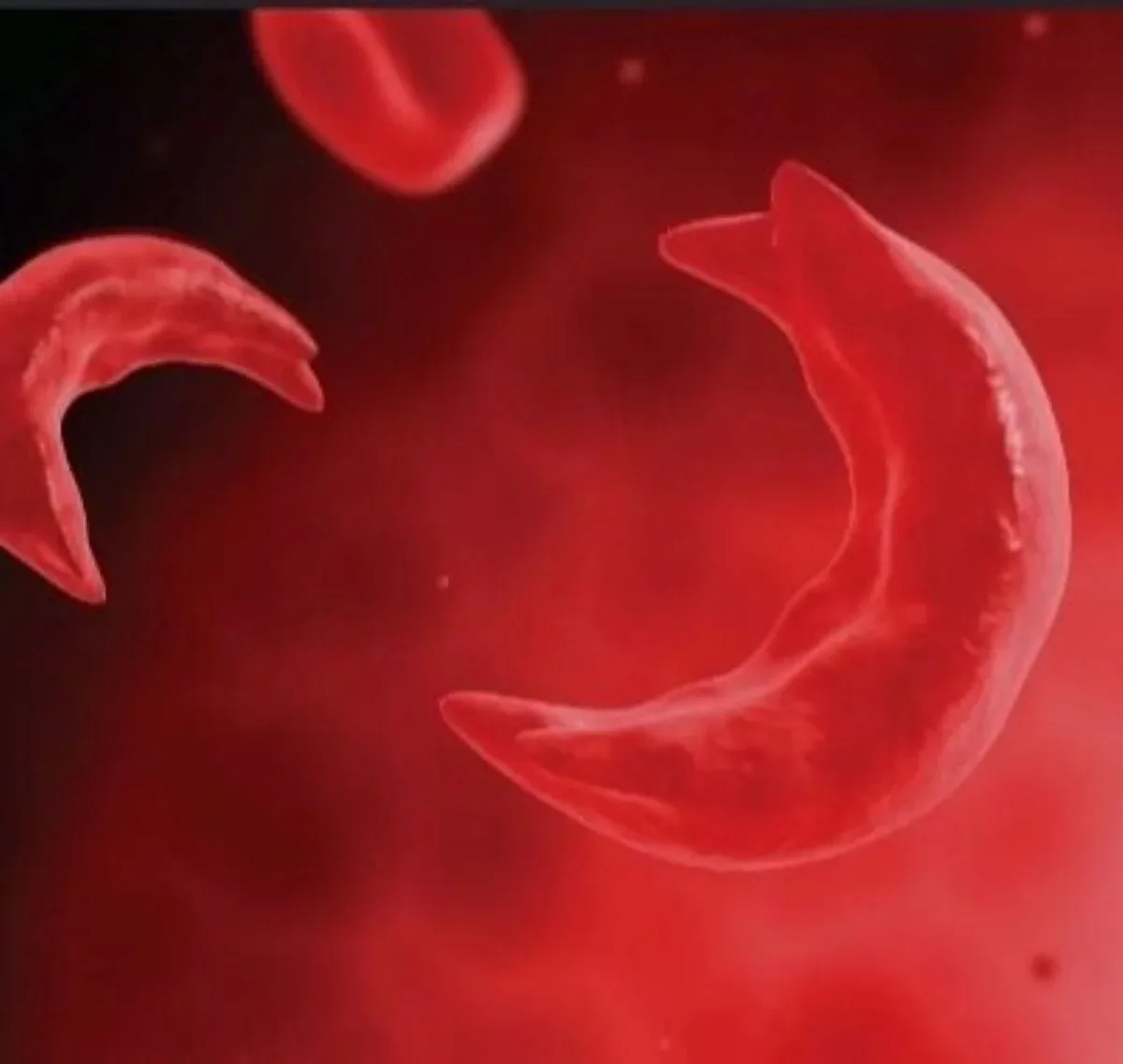
Laboratory testing also examined the formulations' ability to prevent and reverse sickling in red blood cells under experimentally induced conditions.
The results showed that the third effervescent formulation recorded the highest antisickling activity at 72 per cent, while its ability to reverse already-induced sickling stood at 57 per cent.
The crude extract also demonstrated activity, recording 68 per cent inhibition and 59 per cent reversal. For comparison, para-hydroxybenzoic acid, which served as a reference substance in the experiment, recorded 64 per cent inhibition and 56 per cent reversal.
According to the researchers, the effervescent granules demonstrated improved flow properties and promising antisickling activity compared with the crude extract.
Cissus populnea* is a plant used in traditional medicine in parts of Nigeria and other West African countries. Its different parts also have traditional food and medicinal applications.
The researchers' work adds to existing scientific investigations into the plant's potential, including earlier studies examining its antisickling properties.
However, the findings should be understood within the limits of the research. The latest study was conducted in vitro, meaning the tests were carried out under laboratory conditions rather than through clinical trials involving patients taking the formulation.
Consequently, the results do not establish that the effervescent granules can safely prevent sickle cell crises, treat the disease in humans or replace established medical care. Further research, including safety assessments, dosage studies and properly designed clinical trials, would be required before the formulation could be considered for use as a treatment.
Nevertheless, the findings provide a basis for further investigation into how locally available medicinal plants could contribute to the development of pharmaceutical products.
Reporting by TalkNaijaMedia





Reader Comments (0)
No comments yet. Be the first to share your perspective on this report.