

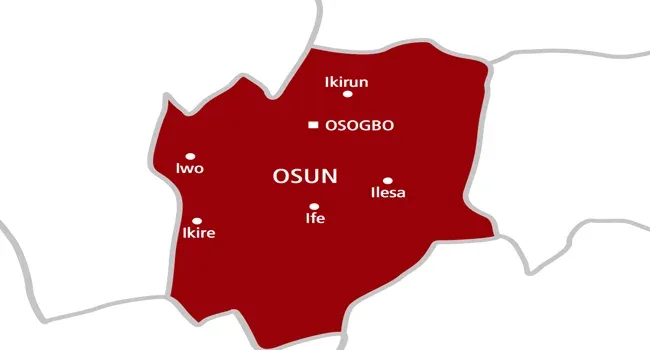
The event, organised under the Combat Drug-Resistant Tuberculosis (DR-TB) Project, brought together public health professionals, community representatives, non-governmental organisations, the Damien Foundation and the Shead Foundation to discuss ways of improving the prevention, diagnosis and treatment of drug-resistant tuberculosis.
Oladele explained that some people diagnosed with TB in Atakunmosa West and Atakunmosa East Local Government Areas had moved away before treatment could begin, making it difficult for health officials to maintain contact with them and ensure continuity of care.
He said the movement of some mining communities between locations had created additional challenges for the state's TB programme, particularly when patients could not be traced after diagnosis or during treatment.
The programme manager also warned that failure to follow prescribed treatment could undermine recovery and contribute to the development of drug-resistant tuberculosis.
He emphasised the importance of patients following medical instructions and completing their treatment under the supervision of qualified health professionals.
Oladele called on media organisations to support public health campaigns by providing accurate information about tuberculosis, encouraging early medical attention and helping to address misconceptions surrounding the disease.
Speaking at the dialogue, Osun State TB Network Coordinator, Joseph Abioye, said the engagement was designed to create an opportunity for healthcare workers and community members to discuss practical challenges associated with managing tuberculosis, particularly drug-resistant cases.
He explained that the programme also sought to improve understanding of the responsibilities of frontline health workers, the difficulties they encounter and the support required to strengthen community-based responses.
Abioye said the state had established a system for monitoring tuberculosis cases through monthly data harmonisation exercises involving partner organisations, local government supervisors and the state TB programme team.
According to him, the process helps stakeholders collate and validate information on suspected cases, patients receiving treatment, drug-resistant TB cases and individuals providing support to patients.
He maintained that reliable data was important for identifying gaps in service delivery, tracking treatment progress and ensuring that people diagnosed with the disease could access appropriate care.
The coordinator acknowledged the contributions of government agencies and development partners but stressed that additional support was necessary to strengthen tuberculosis control efforts across the state.
He appealed to philanthropists, private individuals and community-minded organisations to support people living with tuberculosis and help improve access to care.
Abioye said wider participation from individuals and organisations outside government would strengthen ongoing interventions and support the state's ambition to reduce the burden of the disease.
The dialogue underscored the importance of early diagnosis, uninterrupted access to treatment, effective patient follow-up and stronger collaboration between healthcare providers and communities.
Tuberculosis is an infectious disease that spreads through the air, mainly when people with infectious TB in the lungs release bacteria into the air. Health authorities stress that the disease is preventable and curable, while drug-resistant forms require appropriate medical management.
Public health experts also warn that patients should not stop or alter their medication without consulting their healthcare providers, as incomplete treatment can contribute to drug resistance and complicate efforts to control transmission.
Reporting by TalkNaijaMedia



Reader Comments (0)
No comments yet. Be the first to share your perspective on this report.