

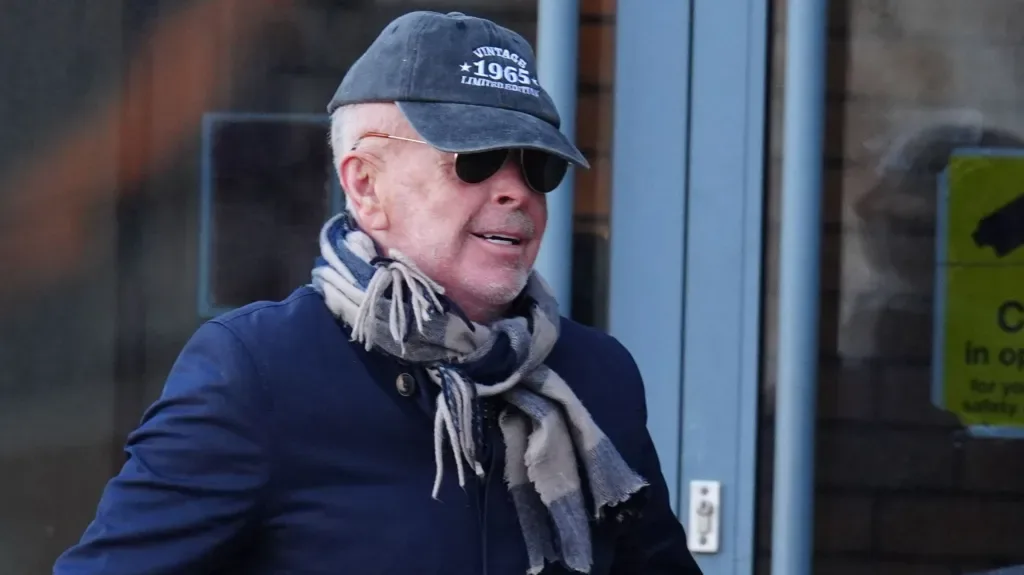
The case centred on a Facebook post he made in March 2024, in which he suggested that Nigerians in Sunderland should be melted down and used to fill potholes. The post surfaced publicly after his selection as a Reform UK candidate, prompting complaints and a police investigation.
During the trial, Gibbins maintained that the comment was intended as a joke and described it as cheeky, naughty and tongue-in-cheek. He told the court that he had not meant the statement to be taken literally.
However, District Judge Zoe Passfield rejected his defence and found him guilty of sending a malicious communication. She ruled that the post was grossly offensive and specifically targeted members of the Nigerian community.
The judge said Gibbins' remark went beyond an expression of displeasure about the number of Nigerians living in the city by reducing members of the community to something that could be used as road material. She also considered his right to freedom of expression under Article 10 of the European Convention on Human Rights but concluded that the post was not a genuine expression of political views deserving protection in the circumstances.
Prosecutor Emma Dowling argued that the language used in the post evoked the extermination of an ethnic group and could not reasonably be dismissed as harmless humour. She told the court that the wording carried deeply disturbing implications.
The court also heard how the post affected Nigerians living in Sunderland. Godwin Ejeh, a leader within the Nigerian community, testified that the message caused considerable anxiety and prompted an emergency meeting.
Ejeh described the gathering as chaotic, explaining that community members were distressed and concerned about their safety and that of their children. He said the initial response was to seek an apology, but the community subsequently organised a protest outside the city hall.
Gibbins' defence lawyer, Adam King, described the Facebook post as a stupid and unfunny joke. He told the court that his client had consumed alcohol before making the comment and was attempting to reproduce something he had seen online.
King also argued that the reactions of a few friends who responded to the post with emojis suggested that they understood it as humour. He raised concerns about freedom of expression and referred to controversial jokes previously made by public figures to support his argument.
The defence further maintained that the comment was not politically motivated. Gibbins told the court that he had not previously been politically active and accepted Reform UK's invitation to contest the council election partly because he believed the position could provide additional income during a quieter period for his personalised gifts and T-shirt business.
The court heard that Gibbins had been suspended by Reform UK after the post emerged, later reinstated following an internal disciplinary process and subsequently suspended again.
His lawyer indicated that the defence intended to challenge the court's decision at the Crown Court. The proposed appeal means the conviction could still be subject to further legal proceedings.
The conviction has drawn attention to the responsibility of elected officials when using social media, particularly where comments target ethnic or national communities.
For Nigerians living in the United Kingdom, the case has also highlighted concerns about the impact of hostile public statements on the sense of security and belonging within local communities.
Gibbins' sentence requires him to complete 150 hours of unpaid work as part of the 12-month community order. He was not sentenced to imprisonment.
Reporting by TalkNaijaMedia



Reader Comments (0)
No comments yet. Be the first to share your perspective on this report.