

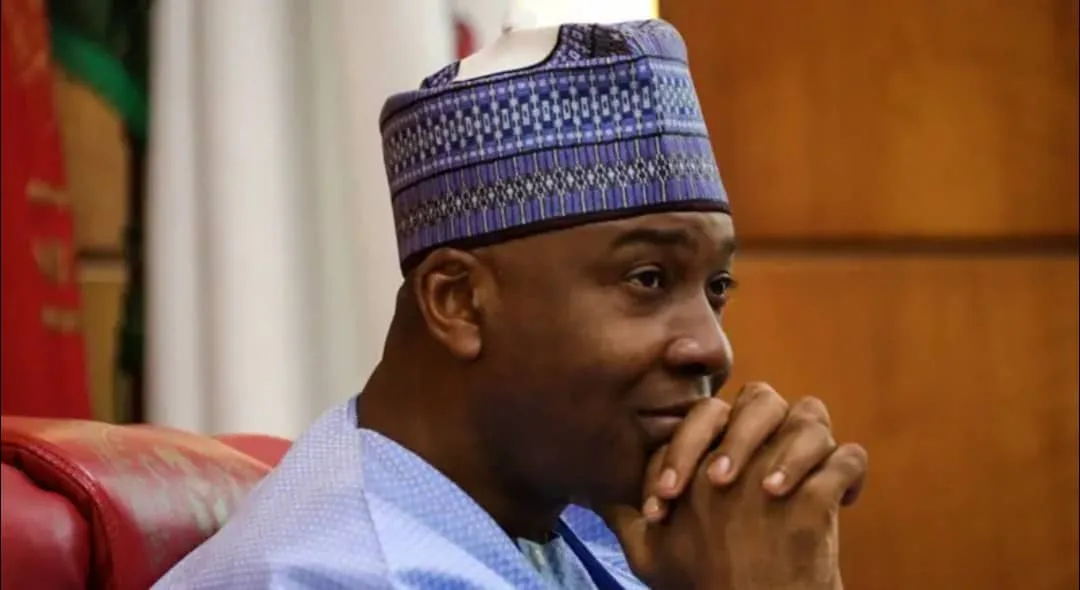
Saraki said the policy reflects the principle that public spending should do more than meet government needs. In his view, it should also support Nigerian businesses, encourage local production and help manufacturers expand their operations.
The directive forms part of the Federal Government’s Nigeria First Policy, which seeks to give locally produced goods greater priority in public procurement. Under the automotive procurement framework, federal agencies are expected to purchase vehicles from licensed local assemblers or other eligible domestic suppliers, with exceptions requiring the appropriate approvals where suitable local alternatives are unavailable.
The Bureau of Public Procurement and the National Automotive Design and Development Council have also warned that failure to comply with the policy could attract sanctions.
Reacting to the development, Saraki recalled the efforts of the 8th Senate, which he led between 2015 and 2019, to amend the Public Procurement Act and strengthen preference for Nigerian-made goods.
He said the Senate passed an amendment bill in June 2016 intended to encourage public institutions to patronise locally manufactured products. The proposed changes sought to strengthen local-content requirements in procurement and give Nigerian manufacturers a better opportunity to compete for government contracts.
According to Saraki, one of the central proposals involved changing the wording in Section 34 of the Act from “may” to “shall” to make the preference for locally produced goods more binding.
“At the heart of that effort was a simple but significant change in Section 34: replacing ‘may’ with ‘shall’,” Saraki said in a statement shared on his X account, as reported by the media.
The former Kwara State governor argued that consistent government patronage could help manufacturers plan for increased demand, invest in production capacity and employ more workers.
He also linked the policy to Nigeria’s foreign exchange challenges, noting that reducing unnecessary dependence on imported goods could help conserve foreign currency.
“When we buy what we produce, we support jobs, reduce pressure on foreign exchange, and give manufacturers the confidence to invest, expand, and employ more people,” he said.
The Federal Government’s renewed enforcement measures place additional responsibilities on both public institutions and local automotive companies. Agencies must comply with procurement guidelines, while assemblers and suppliers are expected to meet the relevant standards and provide adequate after-sales support.
Government requirements also include checks to establish that vehicles supplied to public institutions are traceable to approved local assembly operations. The authorities have warned that procurement outside the approved framework could lead to regulatory action.
For the policy to deliver the expected benefits, however, local manufacturers must be able to meet government demand while maintaining competitive prices, quality standards and reliable maintenance services. The availability of suitable vehicles across different categories will also influence how effectively agencies can comply.
Saraki called for consistent implementation, arguing that the policy should not be limited to announcements but reflected in the purchasing decisions of public institutions.
He further urged all arms of government to embrace the broader principle of supporting domestic production through public expenditure, saying the approach could help strengthen Nigerian industries and create opportunities for local businesses.
The debate over local procurement also revives a longstanding question about how government spending can be used to promote industrial development. While preferential purchasing can provide manufacturers with a more dependable market, its impact will depend on effective enforcement, transparent procurement and the ability of local producers to deliver value for money.
Reporting by TalkNaijaMedia


Reader Comments (0)
No comments yet. Be the first to share your perspective on this report.