

At Prince Abubakar Audu University (PAAU), Anyigba, recent concerns over the institution's fee structure have brought the issue into public discussion. Some families say the cost of educating their children is becoming difficult to manage, raising fears that students from low-income backgrounds could face interruptions to their studies.
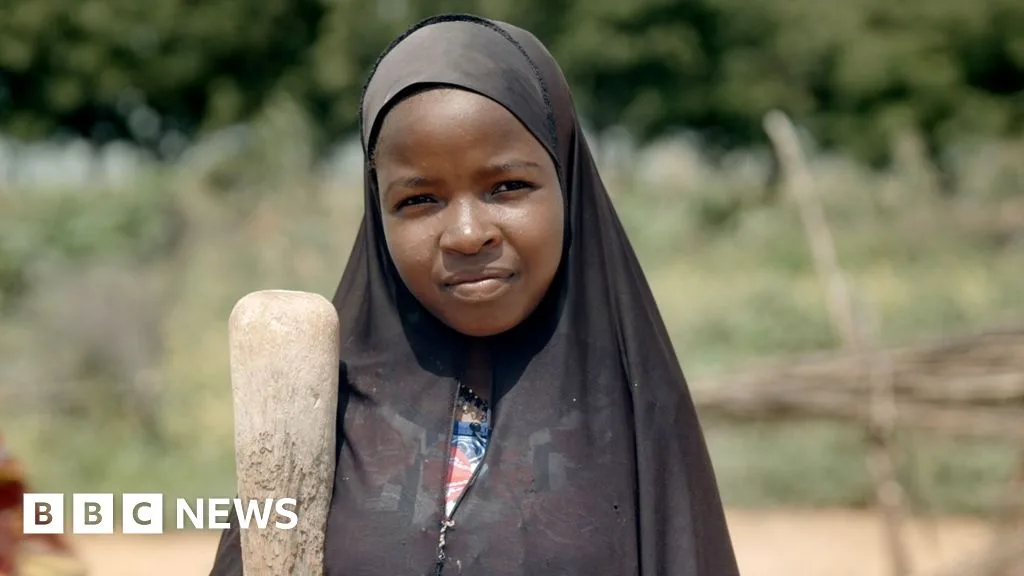
One account shared by a concerned resident involved a young woman who secured admission into PAAU but whose family reportedly could not afford the required fees. According to the account, her mother explained that they might have to wait until the next farming season to raise enough money for her education.
The situation illustrates the difficult choices confronting families whose incomes depend largely on seasonal agricultural activities. For such households, the ability to send a child to university may depend not only on academic performance but also on whether they can raise the necessary funds at the right time.
Another account circulating on social media reportedly showed a father distressed by the responsibility of educating more than eight dependants at the university. While the individual circumstances of these families have not been independently verified, the concerns reflect a broader debate about affordability and access to higher education.
PAAU management, however, has disputed claims that it recently increased school fees. In a clarification issued in October 2026, the university said it had adopted a uniform fee structure for the three state-owned universities in Kogi State in line with government approval. It advised students and parents to compare charges for corresponding programmes across the institutions and rely on official communication channels for accurate information.
The university's position is an important part of the discussion. Nevertheless, the concerns raised by students and parents deserve attention, particularly where the implementation of a harmonised structure may place additional financial pressure on individual households. The key question should not be limited to whether the university has technically increased its fees, but whether the charges remain affordable for students from different economic backgrounds.
The three state-owned universities in Kogi include PAAU, Confluence University of Science and Technology in Osara, and Kogi State University in Kabba. Federal University Lokoja is a separate federal institution and is not part of the state's harmonised fee arrangement.
Established in 1999, PAAU has an important place in Kogi's educational development. Its future should involve stronger academic programmes, improved research capacity, better facilities and partnerships that can expand opportunities for students and lecturers. Achieving these ambitions requires sustainable funding, but such funding arrangements should also recognise the economic realities of the communities the university serves.
Government support remains essential to ensuring that public higher education is accessible. Although universities require resources to maintain standards and improve their services, financial sustainability should be pursued alongside policies that protect students who cannot afford the full cost of their education.
There are already student-support initiatives that could provide a foundation for further intervention. In September 2026, the Kogi State Government announced the disbursement of ₦646.8 million in bursary allowances to 20,347 verified students in tertiary institutions across the country. Under the scheme, eligible students were to receive ₦30,000 each, while medical students were allocated ₦75,000.
While the bursary programme offers some assistance, government could consider whether additional needs-based support, flexible payment arrangements and targeted tuition assistance are necessary for students facing exceptional financial difficulties. The university could also work with relevant government agencies to make information about available support clearer and easier to access.
Students who cannot afford a particular university programme may consider other accredited institutions, including Federal Polytechnic Idah, depending on their qualifications and career interests. However, alternative institutions should widen educational choices rather than become a substitute for making public universities affordable.
There is also room for community support. Influential Igala professionals, traditional rulers, business leaders, politicians, philanthropists and other well-meaning individuals could work together to establish an educational support fund for students whose studies are threatened by financial hardship.
Such an initiative would not remove the responsibility of government to fund public education. Rather, it would complement existing interventions and provide additional assistance to deserving students. A transparent fund with clear eligibility requirements and accountability measures could help ensure that support reaches those who need it most.
The Kogi State Government and PAAU management should continue engaging students, parents and other stakeholders to address concerns surrounding the current fee structure. Publishing clear fee schedules, explaining the basis for charges and providing accessible channels for complaints would help build confidence and reduce uncertainty.
Ultimately, the value of a public university should not be measured only by the revenue it generates or the facilities it builds. It should also be judged by the opportunities it creates for young people, regardless of their family income.
A student's academic future should be determined by ability, commitment and opportunity, not simply by the financial circumstances of their parents. Kogi State must therefore continue to pursue a higher education system that combines institutional development with affordability and inclusion.
PAAU should remain a pathway to opportunity for the people of Kogi State. Ensuring that students from ordinary households can access and complete their education is not merely an act of sympathy; it is an investment in the state's future.
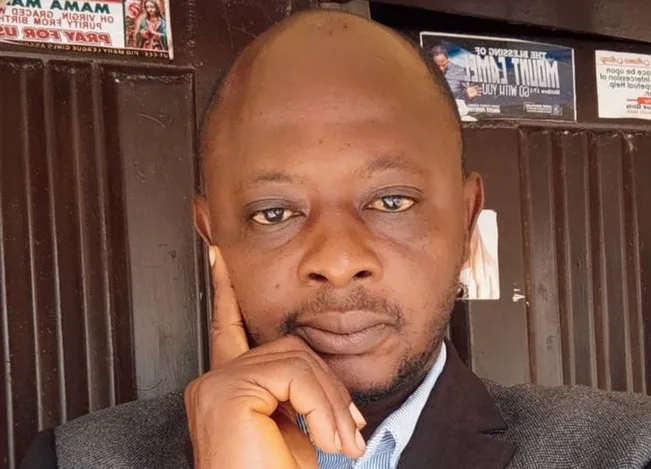
Inah Boniface Ocholi writes from Ayah, Igalamela/Odolu Local Government Area, Kogi State.
Reporting by TalkNaijaMedia



Reader Comments (0)
No comments yet. Be the first to share your perspective on this report.