

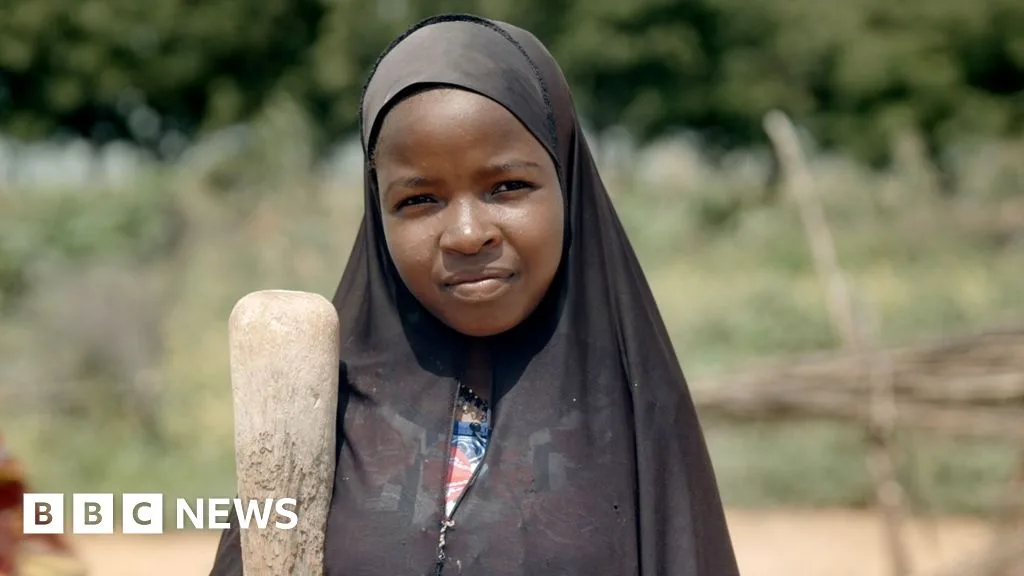
The programme was officially launched on November 17, 2026, as an expansion of the BBC World Service’s existing Dars educational initiative. It targets children aged 11 to 16 and will provide lessons in English, mathematics and science, alongside educational content on mental health and inspirational stories.
Speaking about the initiative, BBC World Service Director Fiona Crack said the programme was developed to reach children affected by conflict, displacement and other barriers to education.
She explained that Dars was first introduced in Afghanistan in 2023, with lessons delivered in Dari and Pashto to support children who could not attend school, particularly girls affected by restrictions on education under Taliban rule.
The programme initially focused on core academic subjects before expanding to cover additional areas, including first aid, media literacy, disaster preparedness, geography and history.
Following the introduction of Dars Arabic in February 2025, the BBC has continued to expand the initiative to reach children in other regions affected by conflict and disruptions to schooling.
According to the corporation, Dars has produced more than 700 lessons, which have recorded over 14.5 million views across the social media platforms of BBC Dari, BBC Persian and BBC Pashto.
The Hausa edition is produced by BBC News Hausa from its Abuja bureau and will be distributed through television, radio and digital platforms to reach children across Nigeria and other Hausa-speaking communities in West Africa.
Dars Hausa will air on BBC News Hausa radio on Sundays at 5:30 a.m. GMT, with a repeat broadcast at 7:30 p.m. GMT. Full episodes will also be available on the BBC News Hausa YouTube channel, alongside content on Facebook, X, Instagram and TikTok. The programme will also reach listeners through medium-wave broadcasts and partner FM stations.
The launch comes amid continuing concerns over Nigeria’s large out-of-school population. The United Nations estimates that nearly 19 million Nigerian children are missing out on education, with insecurity, displacement and the threat of attacks and abductions among the factors affecting school attendance, particularly in the northern part of the country.
The BBC said the Nigerian edition had been adapted to address the educational needs and circumstances of its target audience, while maintaining the programme’s broader objective of making quality learning resources accessible beyond traditional classrooms.
Crack also encouraged partnerships with organisations and stakeholders that could help extend the programme’s reach, stressing that the BBC wanted the lessons to reach as many children as possible.
Although Dars Hausa is not intended to replace formal schooling, it provides an additional learning opportunity for children whose education has been interrupted and offers families another source of educational content.
Reporting by TalkNaijaMedia




Reader Comments (0)
No comments yet. Be the first to share your perspective on this report.