

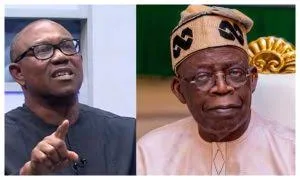
The former Anambra State governor cited figures showing that the proportion of Nigerians living below the national poverty line increased from 40.1 per cent in 2019 to 56.2 per cent in 2023. He also pointed to a World Bank estimate that the rate could reach 63 per cent in 2026.
Questioning the value of economic growth when households continue to experience hardship, Obi asked: “What meaning does economic growth have when citizens are getting poorer, hungrier, and more insecure?”
He argued that economic performance should be assessed not only through national growth figures but also by whether ordinary citizens can afford essential goods and services and enjoy improved living conditions.
Obi called for more prudent management of public resources and greater investment in key sectors, particularly education, healthcare, agriculture and small businesses. He maintained that these areas are important to creating opportunities, supporting livelihoods and reducing poverty.
The NDC candidate also insisted that widespread poverty should not determine Nigeria’s future, arguing that the country has the human and natural resources needed to build a society where people can meet their basic needs and live with dignity.
His comments came as the country marked the annual International Day for the Eradication of Poverty, observed worldwide on October 17. The United Nations uses the occasion to draw attention to poverty, social exclusion, human dignity and the need for coordinated action to improve the lives of vulnerable people.
Obi’s remarks have renewed attention on the gap between economic performance and household welfare, as well as the need for policies that translate national resources and growth into better living conditions for Nigerians.
Reporting by TalkNaija Media

Reader Comments (0)
No comments yet. Be the first to share your perspective on this report.