


Ekiti State Governor, Biodun Oyebanji, has appealed to Muslim faithful across the state to support President Bola Tinubu’s re-election bid in 2027, pointing to what he described as the Federal Government’s contributions to Ekiti’s development.
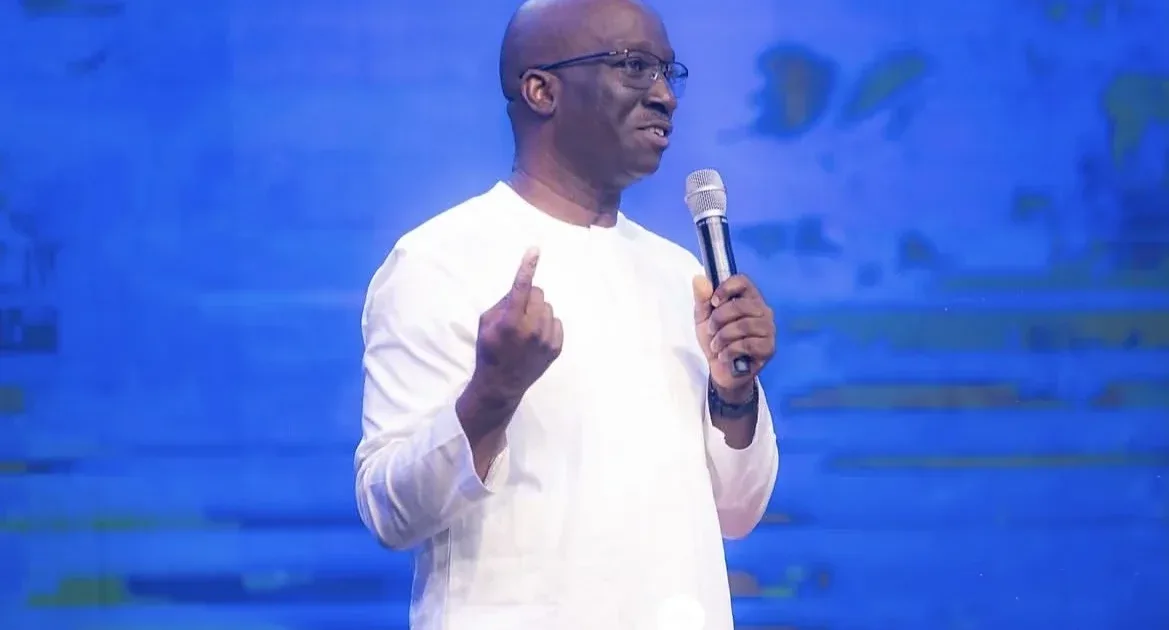
Oyebanji made the appeal on Friday, October 2, during a special Jumat thanksgiving service at the Central Mosque in Ado-Ekiti. The event formed part of activities ahead of his second term in office following his victory in the June 20, 2026 governorship election.
In a statement published by the Ekiti State Government on Saturday, October 3, the governor expressed appreciation to the Muslim community for its prayers and support during his first term. He also asked for continued prayers as he prepares to begin another four years in office.
Oyebanji pledged to maintain an inclusive approach to governance, assuring Muslim leaders and other stakeholders that members of their community would continue to have opportunities to serve in his administration.
He commended Muslim appointees who served during his first term, describing their contributions as commendable. The governor also disclosed that he consulted the Grand Imam before making some appointments, acknowledging the cleric’s role in recommending individuals for government positions.
Beyond his comments on state governance, Oyebanji urged Muslim faithful to support Tinubu in the 2027 presidential election. He said the community should recognise the Federal Government’s interventions and support for Ekiti, which he argued had contributed to development efforts in the state.
Some of the publicly announced federal interventions include the June 2026 commissioning of the Economic and Financial Crimes Commission’s zonal office in Ado-Ekiti and a 1.2-kilometre flyover named after President Tinubu. During the same visit, the Federal Government also performed the groundbreaking ceremony for the Ekiti Knowledge Zone, a project intended to support technology, innovation and economic development.
The Federal Government has also announced approval for the reconstruction of the Ado-Ijan-Ilumoba-Ikole Road, while the Ado-Aramoko-Ita-Ore Road has featured among infrastructure projects discussed by the state and federal governments. These projects provide context for the governor’s reference to federal support, although their individual funding and implementation arrangements vary.
Earlier at the Jumat service, the President-General of the League of Imams and Alfas for the South-West, Edo and Delta States, Sheikh Jamiu Kewulere Bello, commended Oyebanji for providing opportunities for Muslims to participate in his administration.
Bello said the appointments had allowed members of the Muslim community to contribute to the development of Ekiti State. He also praised Muslim officials serving in the administration and encouraged them to continue meeting the responsibilities attached to their positions.
The cleric urged Muslims to continue praying for the governor and other leaders, while promoting religious harmony, unity and peaceful coexistence among residents of different faiths.
The service was attended by Deputy Governor Monisade Afuye, Senate Leader Opeyemi Bamidele, Secretary to the State Government Habibat Adubiaro, Senator Babafemi Ojudu and other government officials and community stakeholders.
Oyebanji was declared winner of the June 20 governorship election with 319,224 votes and received his Certificate of Return from the Independent National Electoral Commission on June 23. His second term is scheduled to begin on October 16, 2026.
His appeal to Muslim faithful is part of the political mobilisation ahead of the 2027 presidential election, while his promise of inclusive governance highlights the administration’s stated intention to maintain participation across religious and community groups.




Reader Comments (0)
No comments yet. Be the first to share your perspective on this report.