

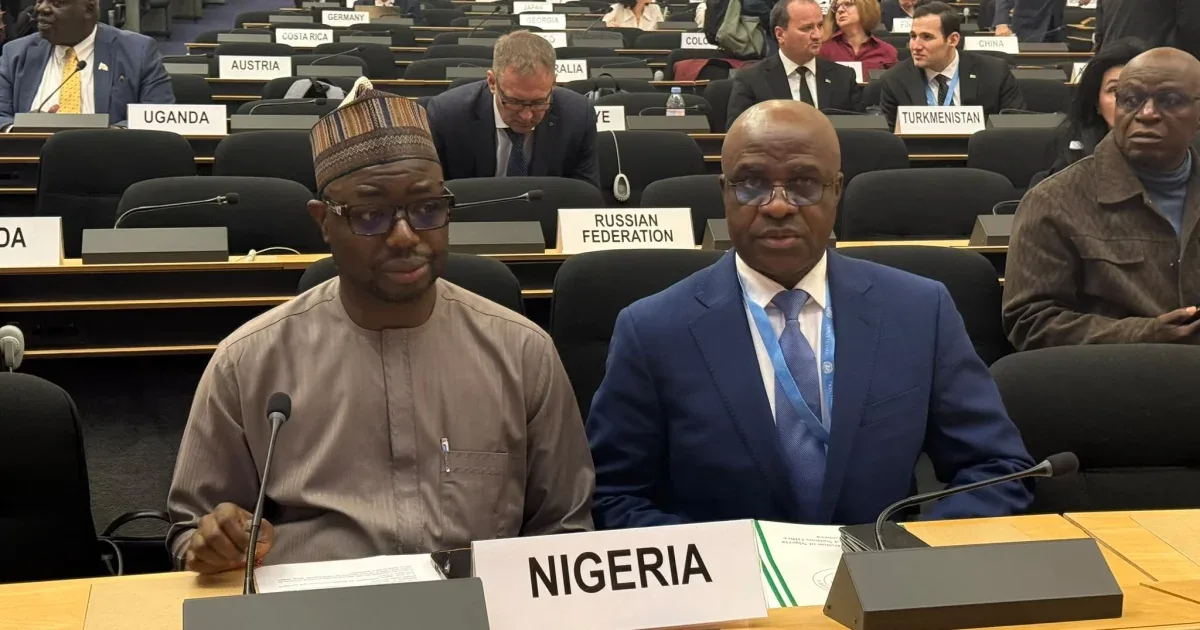
The meeting, held from October 12 to 16, 2026, brought together representatives of governments and humanitarian organisations to discuss refugee protection, displacement and the growing pressure on humanitarian funding.
According to Doro, approximately 14,000 Nigerian refugees living in Cameroon have registered their intention to return home, while arrangements for the voluntary return of another 2,000 Nigerians from Niger are being finalised.
He said improving security conditions in some parts of Nigeria had created opportunities for refugees to consider returning, while stressing the importance of ensuring that repatriation takes place voluntarily, safely and with dignity.
The minister also disclosed that Nigeria had received more than 24,000 returnees as of September 2026 and was managing an estimated population of over 6.7 million internally displaced persons (IDPs).
These figures highlight the scale of Nigeria’s humanitarian challenges, with many citizens still requiring assistance, protection and support to rebuild their lives.
Doro acknowledged the support provided by Cameroon, Chad and Niger in hosting Nigerians forced to leave their communities because of insecurity and other difficulties. He expressed appreciation to the governments and host communities for providing protection to displaced Nigerians.
He further stated that Nigeria was hosting more than 142,000 refugees and asylum seekers from 42 countries, reaffirming the government’s commitment to international refugee protection standards.
According to the minister, Nigeria continues to operate an asylum system under the National Commission for Refugees, Migrants and Internally Displaced Persons Act of 2022. He also said the country had recorded no case of refoulement in 2026. Refoulement refers to returning people to a place where they face a serious threat to their lives or freedom.
Beyond facilitating returns, Doro said the government was working to improve the economic inclusion and self-reliance of refugees living in Nigeria.
He explained that refugees in five states had benefited from access to farmland, agricultural inputs and skills training intended to help them establish sustainable livelihoods. The NCFRMI has also established a Public-Private Partnership Department to encourage wider participation by businesses and other organisations in livelihood programmes.
The minister cited the local integration of former Liberian and Sierra Leonean refugees as examples of how displaced people can rebuild their lives and contribute to host communities. Some, he said, had established businesses and become economically active in Nigeria.
Doro also highlighted efforts to improve access to essential services through identity registration and documentation. He said displaced people and host communities were being enrolled in the national identity system to make it easier to access banking, education and social support.
He added that refugees were being included in state action plans and social registers, while 10 mobile documentation buses were expected to extend identity services to remote and underserved communities.
Another initiative highlighted by the minister was a Digital Gateway being developed in collaboration with UNHCR to provide refugees with secure online access to relevant information.
However, Doro warned that humanitarian needs continued to rise as international funding came under increasing pressure. He called for greater international responsibility-sharing, arguing that countries hosting displaced populations should not be left to shoulder the financial burden alone.
He urged UNHCR to explore stronger partnerships with regional financial institutions, including the African Development Bank and the ECOWAS Bank for Investment and Development, to mobilise additional funding for refugee protection and long-term solutions.
The minister also appealed for expanded resettlement opportunities and complementary pathways that could help refugees find protection and rebuild their lives in other countries.
He recalled Nigeria’s reaffirmation in December 2025 of five pledges made under the Global Compact on Refugees in 2023, as part of its continued commitment to international cooperation on displacement.
Doro further highlighted the domestication of the African Union’s Kampala Convention on internally displaced persons, which became law in Nigeria in 2026. The legislation provides a stronger legal framework for protecting and assisting people displaced within the country.
He also urged countries to recognise Nigeria’s Convention Travel Documents and facilitate visa access for eligible holders in line with applicable international obligations.
Congratulating UN High Commissioner for Refugees Dr Barham Salih on assuming office, Doro reaffirmed Nigeria’s willingness to work with UNHCR and international partners. He also acknowledged the contribution of former High Commissioner Filippo Grandi and thanked donor countries and organisations supporting humanitarian programmes.
The minister maintained that lasting solutions to displacement must extend beyond emergency relief to include safe voluntary return, local integration, access to essential services and opportunities for economic independence.
The reported return of more than 7,000 Nigerian refugees represents progress, but the continued presence of millions of internally displaced people underlines the need for sustained security efforts, adequate humanitarian funding and long-term support for affected communities.
Reporting by TalkNaijaMedia




Reader Comments (0)
No comments yet. Be the first to share your perspective on this report.