

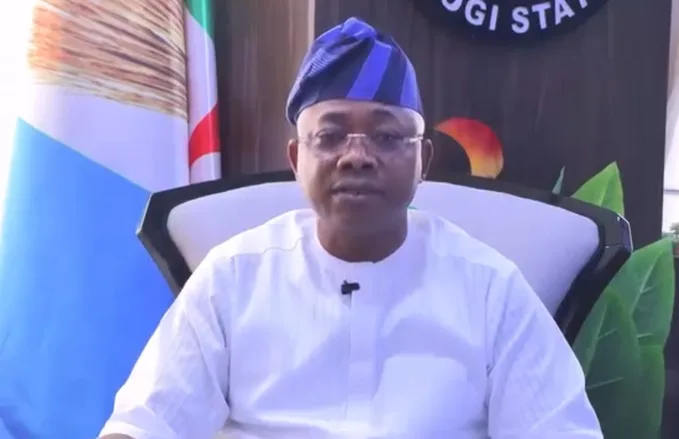
Kogi State Governor Ahmed Usman Ododo has urged Christian and Muslim religious leaders to use their influence in churches and mosques to discourage political violence, thuggery, and the exploitation of young people by politicians.
Ododo made the appeal during a meeting with representatives of the Christian Association of Nigeria (CAN) and Jama’atu Nasril Islam (JNI) at the Government House in Lokoja, where discussions focused on religious harmony, security and peaceful coexistence.
The meeting, reported by Kogi Reports and followed by other local media coverage, comes amid growing calls for community leaders to help prevent young people from being drawn into violence and other criminal activities.
The governor commended the religious organisations for promoting cooperation between Christian and Muslim communities, describing their engagement as important to maintaining unity in the state.
He urged clerics to make peace, tolerance and responsible political participation regular themes in their sermons, counselling sessions and community engagements. He also called on them to warn young people against allowing themselves to be recruited for political violence or used to advance personal interests.
Ododo argued that religious institutions should not be blamed for political tensions when individuals exploit faith and vulnerable young people for their own purposes. He called for a collective effort involving religious leaders, families, community representatives and government institutions to protect the state’s peace.
The governor also expressed appreciation for the prayers and guidance offered by faith leaders, encouraging them to continue supporting efforts to improve security and promote development across Kogi State.
His appeal reflects a wider message he delivered during the Kogi Youth Security Summit on October 8, where he stressed that lasting security requires more than law enforcement. He identified education, employment, technology, and youth empowerment as important parts of a broader approach to preventing crime and strengthening community safety.
During the meeting with the religious representatives, Ododo also acknowledged the Federal Government’s support for Kogi State and highlighted the importance of infrastructure and economic development in strengthening security. The original report referenced projects including the Abuja–Lokoja–Okene highway rehabilitation, an agro-processing zone and plans for an international airport. However, the details and implementation status of those projects were not independently established for this report.
Representatives of CAN and JNI, identified in the original account as Apostle Adebayo Olaniyan and Ambassador Usman Bello respectively, reportedly welcomed the governor’s engagement and reaffirmed their commitment to promoting interfaith understanding and peaceful coexistence.
Their reported position reinforces the role religious institutions can play in reducing tensions, encouraging dialogue and helping communities resist attempts to turn political differences into religious or communal conflict.
As political activity continues to build ahead of future elections, the governor’s appeal places responsibility on leaders and residents alike to reject intimidation and violence. Religious guidance can contribute to that effort, but lasting peace also depends on accountable leadership, lawful conduct, credible security arrangements and opportunities that allow young people to participate constructively in society.
For Kogi State, the challenge is to ensure that political competition remains peaceful and that differences in faith or political affiliation do not become grounds for hostility. The governor’s message to religious leaders is that their influence should help protect young people and strengthen unity across the state.
Reporting by TalkNaijaMedia


Reader Comments (0)
No comments yet. Be the first to share your perspective on this report.