

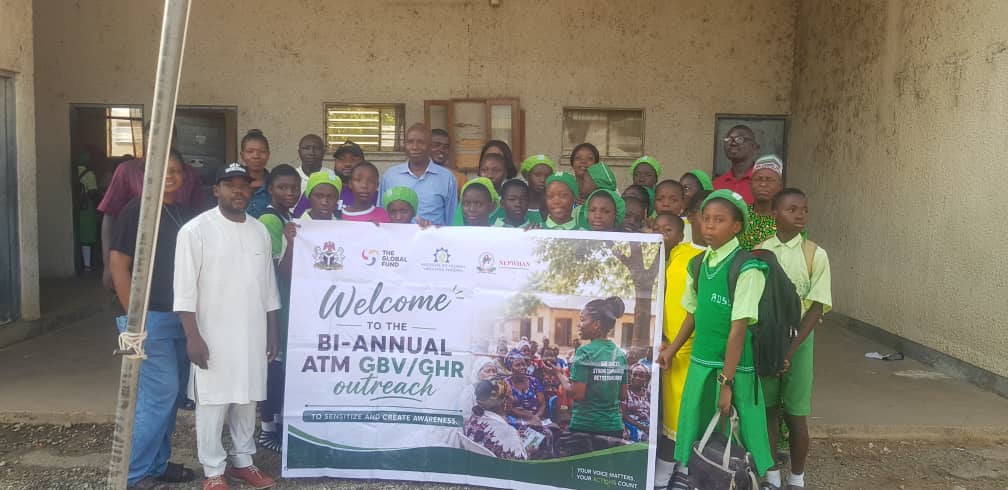
The programme was conducted under the Gender and Human Rights (GHR) component of the Community-Led Monitoring (CLM) Project, in collaboration with three implementing community-based organisations.
Speaking during the event, GOSHEN Programme Officer, Oluremi Haruna, introduced the CLM Project and stressed the importance of educating young people about gender equality, personal safety and human rights.
She explained that early awareness would help students identify harmful behaviours, understand their responsibilities and develop the confidence to speak out against abuse and discrimination.
A representative of the National Human Rights Commission (NHRC), Hauwa Aliyu Adam, also educated the students on available channels for reporting gender-based violence and other human rights violations.
She explained the importance of reporting incidents promptly and highlighted the need to protect the privacy of those seeking assistance. She further encouraged students to speak up whenever they experienced or witnessed abuse rather than remain silent.
Similarly, the Ministry of Justice representative, Juliana Jonathan Omale, discussed the different forms of gender-based violence, their possible causes and their physical, emotional and social consequences.
She also outlined legal protections available to survivors and urged students, school authorities and members of the wider community to work together to prevent violence, discrimination and violations of human rights.
The school's principal welcomed the initiative and commended NEPWHAN, the participating community-based organisations and resource persons for choosing the institution for the awareness programme.
The principal expressed hope that the lessons would encourage positive behavioural changes among students and help create a safer and more respectful learning environment.
An interactive question-and-answer session formed part of the programme, allowing students to seek clarification on issues surrounding gender-based violence and human rights.
Some of their questions focused on whether bullying, emotional abuse and online harassment could amount to violations of human rights or forms of gender-based violence.
The facilitators explained that gender-based violence is not limited to physical attacks, but can also include psychological, emotional and sexual abuse, among other forms of harmful conduct.
Students also asked about procedures for reporting incidents within the school, whether complaints would be handled confidentially and the support available to people who experience abuse.
The engagement provided an opportunity for the students to understand that preventing violence requires awareness, responsible behaviour and access to appropriate reporting and support systems.
Reporting by TalkNaijaMedia



Reader Comments (0)
No comments yet. Be the first to share your perspective on this report.