

Health
Breaking
Malaria still affecting newborns in Nigeria - Study
A new study has raised concerns over the continued impact of malaria on newborns in Nigeria, with researchers finding that congenital malaria remains a significant public health concern and calling for stronger prevention, surveillance and treatment during pregnancy and after childbirth.
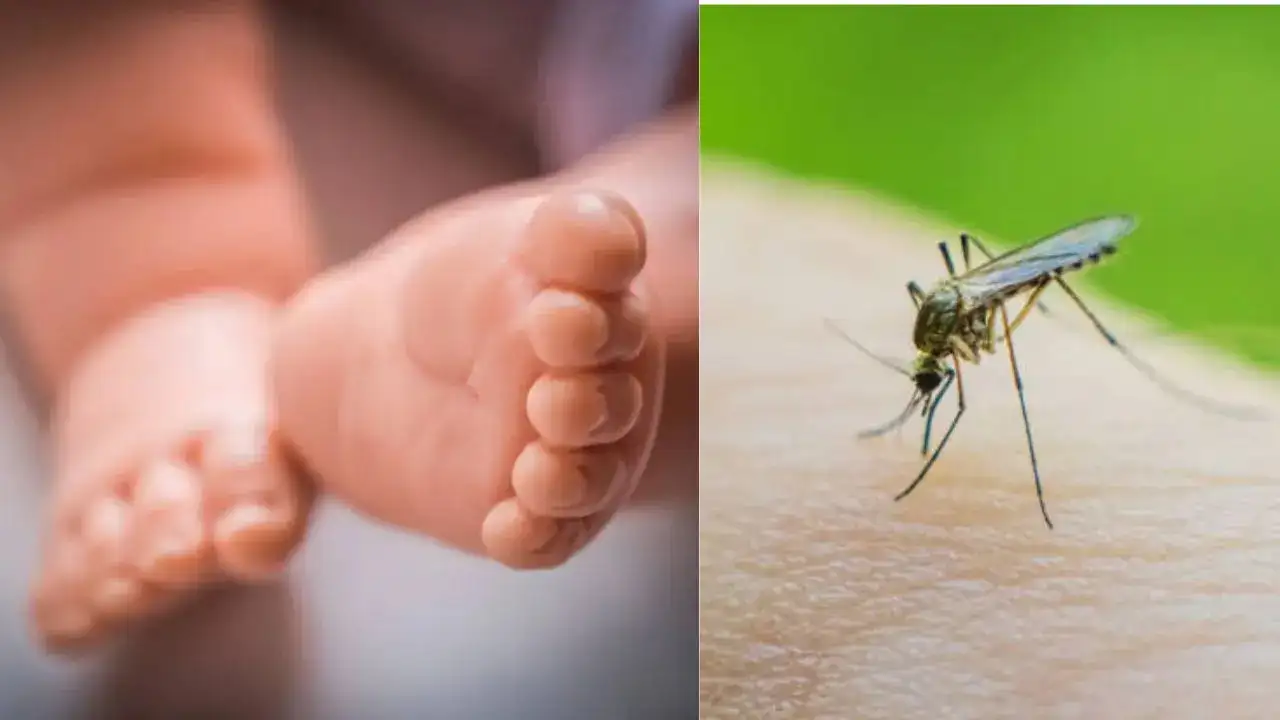
Malaria continues to pose a serious threat to maternal and newborn health in Nigeria, with a new study highlighting the extent to which the disease can affect babies before and around the time of birth.
The findings have renewed concerns about congenital malaria, a condition that occurs when malaria parasites are transmitted from a mother to her baby during pregnancy or around the time of delivery. While malaria is commonly associated with mosquito bites after birth, researchers have found that newborns can also be exposed to the parasite before they have significant contact with mosquitoes.
A recent systematic review and meta-analysis examining congenital malaria in Nigeria found that the condition remains an important public health concern. Researchers analysed findings from 35 studies involving more than 9,500 newborns and estimated a pooled prevalence of congenital malaria of about 12.7 per cent.
The findings suggest that the burden of malaria among newborns may be greater than previously recognised, particularly in communities where malaria transmission remains high and access to antenatal care, diagnostic services and preventive treatment is limited.
### What the study found
According to the researchers, evidence of malaria parasites has been identified in different samples associated with mothers and newborns, including maternal blood, placental tissue, cord blood and blood collected from newborns.
The presence of parasites in these samples highlights the possibility of malaria transmission between mother and child during pregnancy or delivery.
Maternal malaria during pregnancy can affect both the mother and developing baby. Infection can contribute to complications during pregnancy and may increase the risk of poor outcomes for newborns. The researchers therefore emphasised the importance of paying greater attention to malaria prevention and diagnosis among pregnant women as part of efforts to protect newborns.
The study also highlights the need for healthcare providers to consider malaria when assessing newborns in areas where the disease is common, particularly when there are clinical signs that could be associated with infection.
### Why Nigeria remains vulnerable
Nigeria continues to face a substantial malaria burden, with transmission occurring across many parts of the country. Factors such as climate, environmental conditions, mosquito exposure, access to healthcare and the availability and use of preventive measures all influence the country's malaria burden.
Pregnant women are considered particularly vulnerable to malaria because changes that occur during pregnancy can increase the potential impact of infection. This makes malaria prevention an important component of antenatal healthcare.
Preventive measures during pregnancy can include the use of insecticide-treated mosquito nets, appropriate preventive medicines recommended by healthcare professionals, regular antenatal visits and prompt testing and treatment when malaria is suspected.
However, ensuring that these interventions reach every pregnant woman remains a challenge, especially in communities where healthcare access is limited.
### Potential consequences for newborns
Malaria during pregnancy can have consequences that extend beyond the mother. Infection involving the placenta can interfere with the environment in which the baby develops and may contribute to complications affecting pregnancy and newborn health.
When malaria parasites are detected in a newborn, healthcare professionals may need to carry out further assessment and provide appropriate treatment based on the baby's condition and applicable medical guidelines.
The researchers' findings therefore underline the importance of maintaining vigilance beyond delivery. Protecting newborns from malaria is not simply a matter of preventing mosquito bites after birth; it also requires efforts to prevent and detect infections affecting mothers during pregnancy.
### The importance of antenatal care
Health professionals have repeatedly stressed the importance of antenatal care for pregnant women. Regular antenatal visits provide opportunities for healthcare workers to identify infections and other conditions that could affect the mother or baby.
Malaria prevention can form part of this broader care.
Pregnant women who attend antenatal clinics can receive information about malaria prevention, undergo appropriate testing and access preventive interventions recommended for pregnancy.
Early detection is also important because malaria symptoms can vary, and delaying medical attention can increase the risk of complications.
For families, the findings reinforce the importance of seeking professional medical attention when a newborn appears unwell rather than assuming that symptoms will resolve without treatment.
### Researchers call for stronger surveillance
The study's findings also point to the need for stronger surveillance of congenital malaria in Nigeria.
Congenital malaria may receive less attention than other forms of malaria because newborn infections can be difficult to identify and may not always be routinely screened for in the same way across healthcare facilities.
Improving surveillance could provide health authorities with a clearer understanding of how frequently congenital malaria occurs, which areas are most affected and which groups may face the greatest risk.
More reliable data could also help policymakers and public health organisations develop interventions specifically targeted at protecting pregnant women and newborns.
### Tackling malaria before birth
The findings highlight an important aspect of malaria prevention: protecting children from the disease can begin before they are born.
Reducing malaria infections among pregnant women could potentially reduce the risk of malaria parasites being detected in newborns while also improving maternal and pregnancy outcomes.
This means malaria control programmes need to continue focusing on pregnant women alongside other high-risk groups, while ensuring that prevention strategies are accessible at community and primary healthcare levels.
Measures such as mosquito-net distribution, antenatal malaria prevention, community education, early diagnosis and appropriate treatment remain important components of malaria control.
### A continuing public health challenge
Despite years of malaria control efforts, the disease remains a major public health challenge in Nigeria. The continued identification of malaria among newborns demonstrates that the problem is not limited to older children and adults.
The latest research adds to the evidence that malaria can affect the mother and baby at different stages, making prevention during pregnancy particularly important.
For Nigeria to make further progress against malaria, researchers and health authorities may need to strengthen efforts aimed at prevention, diagnosis, surveillance and treatment while ensuring that vulnerable populations can access quality healthcare.
The study also highlights the importance of continued research. Understanding how malaria is transmitted between mothers and newborns, identifying areas with higher rates of congenital infection and improving diagnostic approaches could help healthcare providers respond more effectively.
As Nigeria continues its fight against malaria, protecting pregnant women and newborns will remain a critical part of the country's broader public health strategy. The findings serve as a reminder that malaria prevention must extend beyond the prevention of mosquito bites after birth and include measures that protect mothers and babies throughout pregnancy, delivery and the early stages of life.
Tags
#Nigeria
Related News Reports

Health
FRSC Confirms 20 Dead, Five Injured in Multiple-Vehicle Crash on Plateau Highway
TalkNaija Desk
3 min read
1

Health
Doctor Urges Families to Plan Structured Healthcare for Ageing Parents
TalkNaija Desk
3 min read
1
Health
Kogi Veterinary Association Seeks Two Veterinary Doctors Per LGA to Strengthen Rabies Control
TalkNaija Desk
5 min read
8

Health
Rabies Eradication in Nigeria Faces Funding, Vaccine and Manpower Gaps — Veterinary Council
TalkNaija Desk
4 min read
6

Reader Comments (0)
No comments yet. Be the first to share your perspective on this report.