

The meeting emphasised that security efforts cannot rely solely on decisions made at the national or state level. Effective responses also require cooperation with local governments, traditional institutions, community groups and civil society organisations, alongside clear channels for citizens to report concerns and receive feedback.
The gathering was convened through the Special Services Office in the Office of the Secretary to the Government of the Federation. It provided a platform for federal and state officials to examine shared security concerns and identify ways to improve coordination across jurisdictions.
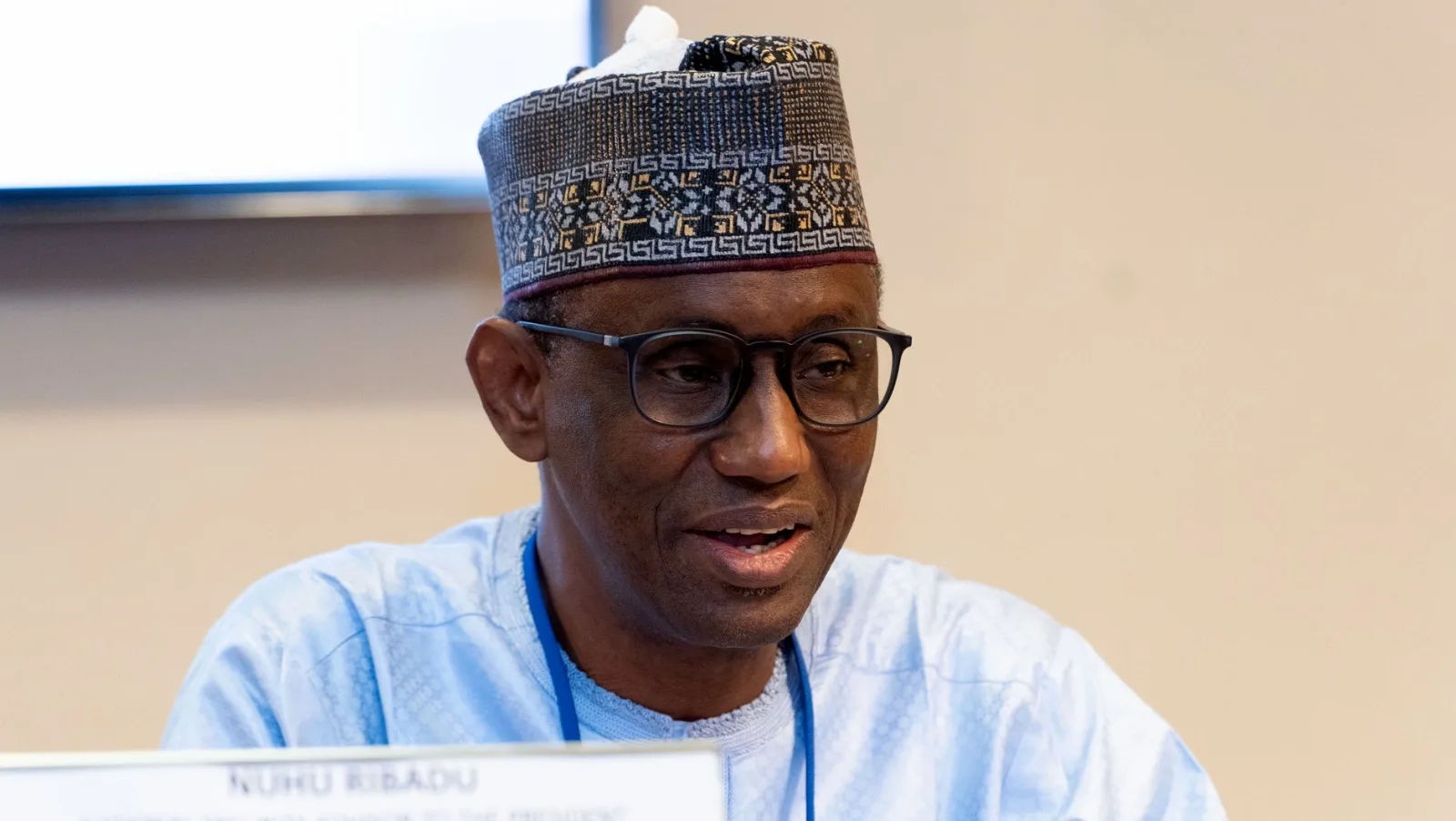
In a goodwill message delivered by the Special Adviser on Governance and Subnational Matters, National Security Adviser Nuhu Ribadu stressed the importance of collaboration, trust and structured engagement among the different levels of government. He highlighted the monthly Joint Intelligence Board meetings and the Forum of National and Subnational Security Officials as mechanisms for improving communication and cooperation.
The forum brings together senior security focal persons representing the 36 state governors and the Minister of the Federal Capital Territory. Its relationship with FSSAM is intended to strengthen information exchange and support more coordinated responses to security threats.
However, the meeting stressed that cooperation must extend beyond government offices and security headquarters. Communities need accessible ways to raise concerns, while public institutions must make their responsibilities clear and respond to legitimate reports in a timely manner.
Traditional rulers, community associations and civil society groups were identified as important partners in understanding local tensions, supporting mediation and preventing disputes from escalating into violence.
Good governance was also highlighted as an important part of national security. Strong institutions, respect for the rule of law, access to essential services and opportunities to earn a living can all influence the stability of communities.
Governor Ahmadu Umaru Fintiri of Adamawa State outlined his administration’s efforts to strengthen traditional institutions, support security agencies and bring governance closer to residents. He also called for greater federal support for border security and improved cooperation among security agencies.
The governor cautioned against declaring victory too early in the fight against insecurity, stressing the need for sustained attention to insurgency, cross-border threats and the continuing effects of violence on affected communities.
The meeting also underscored the importance of credible public communication. Authorities were encouraged to explain verified progress while acknowledging continuing challenges, rather than making claims that do not reflect people’s everyday experiences.
Preparations for the 2027 elections, economic pressures and communicable diseases featured among the issues raised by the Permanent Secretary of the Special Services Office, Sani Yargaya Aminu. Discussions on cybersecurity and small arms control further highlighted the expanding responsibilities of security administrators.
Participants were encouraged to coordinate factual updates, clarify institutional responsibilities and communicate through channels that people understand and trust. Local radio and information in relevant Nigerian languages were identified as useful ways to reach communities whose concerns may not receive sufficient attention in national discussions.
The meeting also stressed that communication must involve listening. Public questions and criticism about security, healthcare, transport costs and livelihoods should inform policy responses. Authorities were encouraged to provide evidence-based clarifications when misinformation emerges, while working with journalists, civil society groups and community leaders to improve public access to reliable information.
With the 2027 general elections approaching, participants highlighted the need for early planning to prevent violence and protect citizens’ right to participate in the electoral process. Security agencies were urged to perform their duties impartially, while political actors were expected to avoid incitement, intimidation and inflammatory communication.
The risks posed by digital manipulation and illicit weapons were also considered relevant to election preparedness. Cooperation among government institutions, the media, civil society organisations, youth groups, women’s organisations and local peacebuilders was identified as important for identifying tensions early and supporting peaceful political participation.
Cybersecurity featured prominently during the meeting, with the National Cybersecurity Coordination Centre under the Office of the National Security Adviser outlining its work with government institutions.
The centre’s National Coordinator, Ahmad Sa’ad Abubakar, said it was operational and available to support government organisations with cybersecurity planning, protection and readiness assessments.
He identified misinformation, disinformation, deepfakes, phishing and artificial intelligence-enabled identity theft and impersonation as growing concerns. Such threats can undermine public confidence, expose sensitive information and disrupt government operations when fraudulent messages or fabricated content are mistaken for genuine communications.
Officials were encouraged to adopt safer digital practices, protect electronic devices and exercise caution when handling suspicious links and messages. Avoiding unsecured public Wi-Fi networks and improving device security were among the measures highlighted.
The discussions also addressed children’s online safety and the risks of exploitation, harmful content, radicalisation and extremist recruitment. Parents and guardians were encouraged to take an active role in helping children navigate digital spaces safely.
For government institutions, the discussions pointed to the need to make cybersecurity part of routine administration through staff training, responsible information handling and access to technical support. Participants were also encouraged to familiarise themselves with Nigeria’s existing national cybersecurity strategy as the country considers how to respond to emerging risks, including those associated with artificial intelligence.
The control of illicit small arms and light weapons was another major subject. Major General Abubakar Adamu (rtd.), in a presentation on the National Centre for the Control of Small Arms and Light Weapons, highlighted the importance of addressing weapons proliferation at the community level.
He outlined the centre’s activities in weapons and ammunition recovery, destruction, inter-agency cooperation and support for enforcement efforts. Collaboration with the Nigeria Customs Service and other agencies was also discussed as part of efforts to prevent the illegal movement of weapons.
Participants considered the risks associated with locally manufactured firearms, arms trafficking through border communities and the possible diversion of weapons from official armouries. Training in safe weapons handling, armoury management and stockpile security was identified as important to reducing the risk of weapons entering unauthorised circulation.
The centre’s presence across Nigeria’s six geopolitical zones was presented as an opportunity to deepen cooperation with state governments and local stakeholders. Traditional rulers, religious leaders and border communities were recognised as potential partners in providing local information and supporting efforts to curb arms trafficking.
Improved weapons marking and tracing, public awareness and stronger cooperation between communities and security institutions were also highlighted as measures that could support arms-control efforts. State governments were encouraged to consider providing office accommodation for the centre within their secretariats to improve accessibility and coordination.
The meeting further recognised that health concerns and economic hardship can affect public stability. Rising living costs and difficulties accessing healthcare shape how citizens experience governance and can intensify existing vulnerabilities.
Participants stressed the importance of cooperation between security administrators, health authorities and agencies responsible for social and economic interventions. Public health communication, they noted, should provide reliable advice, address citizens’ concerns and work with trusted community figures to reach people effectively.
Similarly, information about economic relief programmes should clearly explain eligibility requirements, access procedures and channels for reporting problems. Public confidence depends not only on how policies are communicated but also on whether they are implemented fairly and effectively.
The meeting’s long-term impact will depend on how its priorities are implemented after the gathering. Clear responsibilities, realistic timelines and regular reviews are needed to determine whether agreements lead to measurable improvements.
Stronger collaboration between state institutions and the cybersecurity and small-arms control centres was identified as one way to turn national priorities into practical action. Sustained engagement with local communities will also be necessary to ensure that security initiatives respond to conditions on the ground.
Ultimately, the meeting placed emphasis on linking government coordination with public confidence and everyday safety. Its success will depend on whether institutions can respond more effectively, communities can participate meaningfully and citizens can recognise tangible improvements in their lives.
Reporting by TalkNaija Media




Reader Comments (0)
No comments yet. Be the first to share your perspective on this report.