

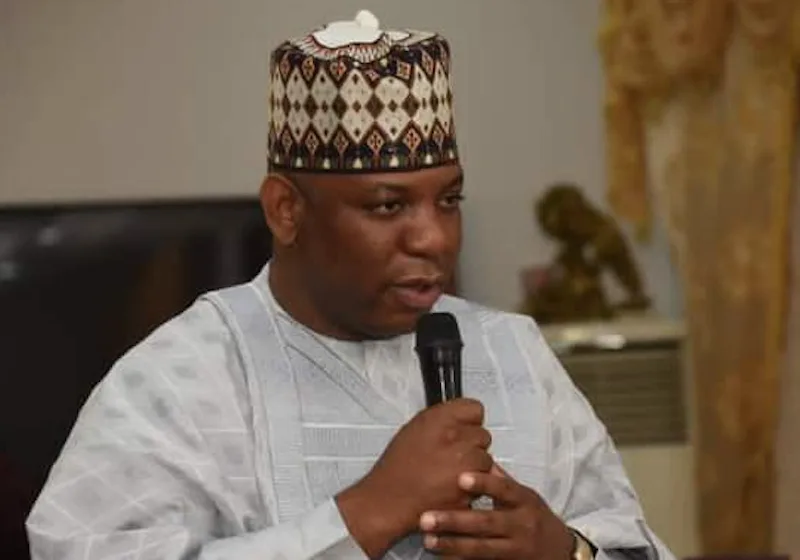
The Minister of Steel Development, Shuaibu Audu, disclosed the initiative in a statement issued by the ministry’s Head of Press and Public Relations, Maureen Tine-Iulun.
Audu, represented by the Director of the Metallurgical Raw Material Development and Investment Promotion Department, Ime Eprikpo, spoke during a two-day stakeholders’ engagement in Lagos on the validation of the proposed Scrap Metal (Collection, Trading, Recycling and Regulation) Regulations, 2026.
He said the proposed framework was designed to establish a transparent and properly organised scrap metal value chain while improving access to locally sourced raw materials for Nigeria’s steel manufacturers.
According to the minister, poorly regulated activities in the sector have contributed to the theft and destruction of metallic infrastructure, resulting in financial losses, interruptions to essential services and increased maintenance costs.
He identified stolen electrical cables, railway components and manhole covers as some of the materials frequently targeted by criminal operators.
Audu, however, emphasised that the government was not seeking to destroy the businesses and livelihoods of Nigerians involved in legitimate scrap collection and trading.
He explained that the intention was to distinguish genuine operators from those involved in acquiring and selling stolen materials, while ensuring that businesses complied with appropriate environmental and safety standards.
Under the proposed regulations, scrap dealers, collection centres, aggregators and recycling operators would be brought under a licensing and supervisory framework.
The draft also seeks to introduce measures for tracking transactions, verifying suppliers and documenting the origins of materials purchased by operators.
These requirements are expected to make it more difficult for stolen metals to be sold through legitimate recycling channels.
The minister said an organised scrap metal industry could contribute significantly to Nigeria’s industrial development because recycled metals serve as important raw materials for steel production, foundries and other manufacturing activities.
He added that improved recycling practices could reduce waste, create employment opportunities and strengthen domestic manufacturing.
On the concerns of small-scale operators, Audu said the government intended to provide opportunities for informal collectors and traders to formalise their businesses without imposing unnecessary restrictions.
He explained that compliance requirements would take account of the size and risks associated with different operations, while larger aggregation centres and processing facilities would face appropriate licensing and safety obligations.
Audu urged industry stakeholders to examine the draft regulations and make recommendations on implementation procedures, operating requirements and compliance costs before the document is finalised.
He assured participants that their contributions would be considered and that the ministry would work with relevant institutions to improve enforcement capacity, public awareness and industry data collection.
Also speaking at the engagement, the Permanent Secretary of the Ministry of Steel Development, Nura Abba Rimi, represented by the Director of the Metallurgical Inspectorate and Environmental Protection Department, Christopher Wanje, described effective regulation as essential to building a competitive domestic steel industry.
Rimi said the proposed framework would help protect public and private infrastructure, discourage the illegal trade in stolen metals and create a more reliable supply of raw materials for local manufacturers.
He maintained that the government's objective was to create a transparent and sustainable business environment that would support genuine entrepreneurs, attract investment and encourage increased domestic production.
The National President of the National Association of Scrap and Waste Dealers Employers of Nigeria, Ogbu Luke Uchechukwu, welcomed the validation exercise, describing it as an important step towards organising the scrap and waste industry.
He said the engagement offered an opportunity to develop a more structured and economically sustainable sector.
The proposed regulations come as the Federal Government continues efforts to strengthen Nigeria’s steel industry and expand local manufacturing.
If finalised and effectively implemented, the framework could improve the supply of recycled raw materials while helping to protect infrastructure from theft and vandalism.
Reporting by TalkNaijaMedia





Reader Comments (0)
No comments yet. Be the first to share your perspective on this report.