

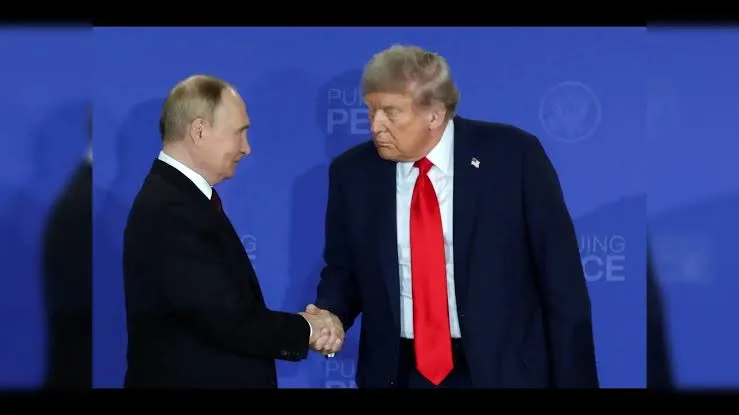
The deal, announced by Trump on October 9, provides for Russia to supply more than 300,000 tonnes of diesel to the US and global markets immediately, followed by an additional 500,000 tonnes in November and one million tonnes afterwards. The US administration also temporarily relaxed sanctions affecting Russian diesel shipments.
The move has drawn criticism from Ukraine and several European officials, who fear that easing restrictions on Russian energy exports could provide Moscow with additional revenue while the war continues.
Kallas urged Washington to maintain a firm approach towards Russia, arguing that coordinated sanctions by the US and Europe would have a stronger impact than separate measures. She also called for further restrictions designed to make it more difficult for Russia to obtain the components and technology needed for military production.
While expressing concern over Washington’s decision, the EU made clear that it would continue enforcing its own sanctions against Russia.
On Monday, EU foreign ministers approved a major expansion of the bloc’s sanctions list, covering 1,569 individuals and entities connected to Russia’s military-industrial sector. The package includes companies and individuals linked to the supply of components used in missiles, drones and aircraft.
According to the EU, the measures include 826 companies associated with Russia’s military-industrial complex and 743 individuals identified as executives of those companies. More than half of the new listings are connected to the production chain for ballistic missiles.
The sanctions also target people accused of participating in so-called sham elections in Russian-occupied Ukrainian territories and those involved in military cooperation with North Korea.
Kallas said the measures were intended to make it harder, slower and more expensive for Russia to manufacture weapons used in the war against Ukraine.
The latest action represents the EU’s largest single expansion of sanctions listings since Russia launched its full-scale invasion in February 2022.
Beyond economic restrictions, the bloc has continued efforts to counter Russian disinformation and foreign information manipulation. These initiatives include training programmes for partner countries and action against websites and advertisements allegedly linked to Russian recruitment networks operating in Africa.
The EU is also considering additional sanctions targeting infrastructure used to spread foreign information manipulation and interference, while exploring closer security and defence cooperation with partners that share its concerns.
The disagreement over Russian diesel highlights growing differences between Washington and European capitals over how to respond to the war. While Trump has presented the fuel arrangement as a way to increase supply and ease prices, European officials remain concerned that relaxing restrictions could undermine the broader strategy of limiting Russia’s ability to finance its military campaign.
Reporting by TalkNaijaMedia



Reader Comments (0)
No comments yet. Be the first to share your perspective on this report.