

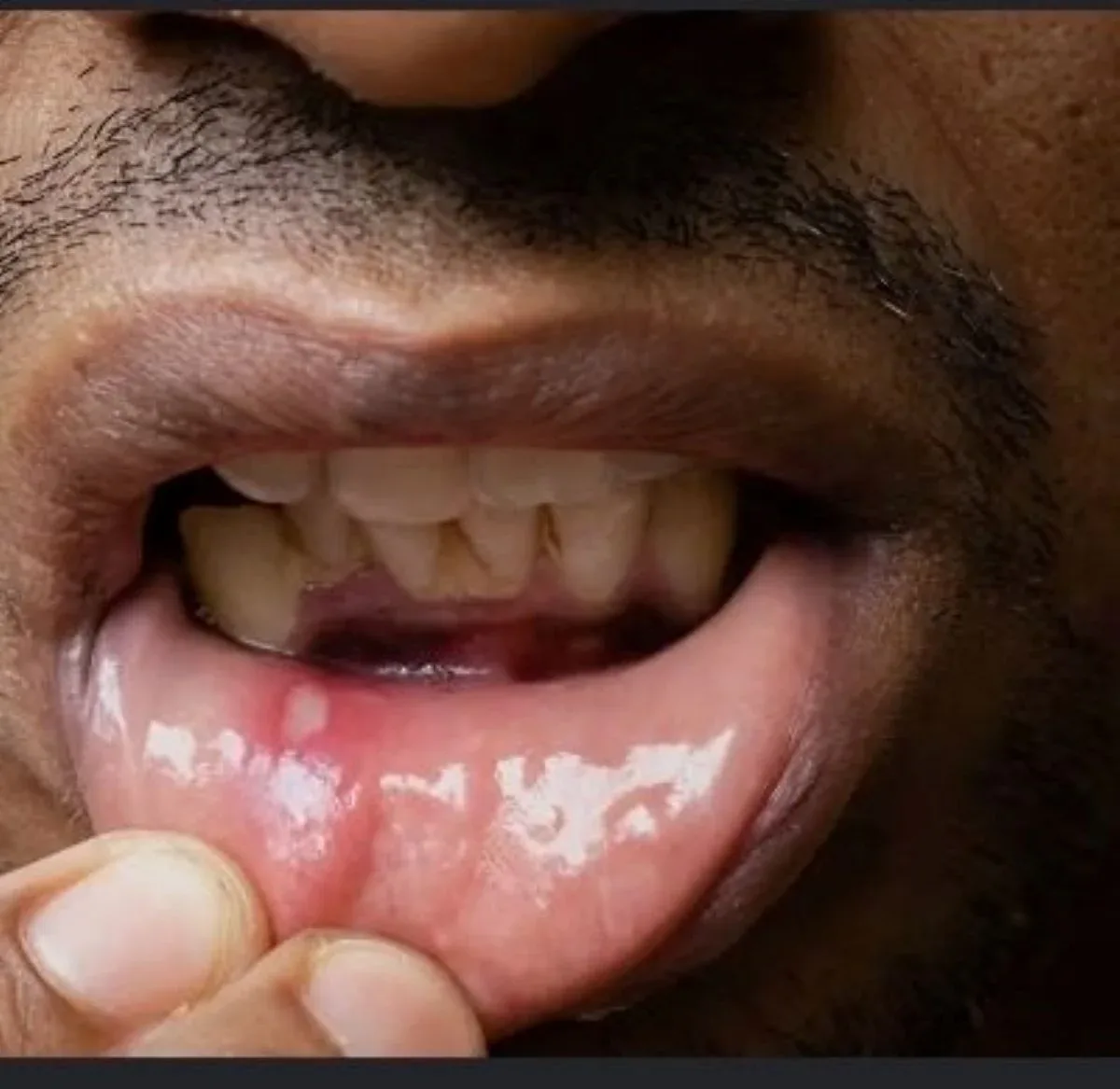
Mouth ulcers can develop following minor injuries, nutritional deficiencies, certain infections, reactions to medicines and underlying health conditions. Understanding the possible triggers can help people manage discomfort and recognise when professional medical attention is necessary.
Here are eight common factors associated with mouth ulcers.
1. Accidental injuries inside the mouth
Physical damage to the delicate lining of the mouth is a common trigger. Accidentally biting the tongue or inner cheek, brushing the teeth too forcefully, eating hard foods or irritation from braces and poorly fitting dental appliances can lead to painful sores.
Minor ulcers caused by injuries usually heal as the affected tissue recovers. Using a soft-bristled toothbrush, avoiding further irritation and taking care when eating can help prevent additional discomfort.
2. Vitamin and mineral deficiencies
Low levels of certain nutrients can contribute to recurrent mouth ulcers. Deficiencies involving vitamin B12, iron, folate and zinc have been associated with the development of these sores.
These nutrients support normal body functions, including the maintenance and repair of tissues. When levels are insufficient, the lining of the mouth may be affected.
People who experience repeated ulcers, particularly alongside other unexplained symptoms, may benefit from a medical assessment to determine whether a deficiency is present. Supplements should not be taken unnecessarily without appropriate advice.
3. Stress, tiredness and hormonal changes
Emotional stress, anxiety and physical exhaustion may trigger or worsen mouth ulcers in some individuals.
Some people notice that sores appear during periods of intense pressure, inadequate sleep or significant emotional strain. Hormonal fluctuations, including changes associated with menstruation, have also been linked to recurring ulcers.
However, these factors do not explain every case. Repeated or persistent sores should be assessed to determine whether another cause may be involved.
4. Viral infections
Certain viral infections can produce painful sores in or around the mouth.
Hand, foot and mouth disease, for example, can cause mouth sores alongside a rash or blisters on the hands and feet. Although it is more common among children, older teenagers and adults can also develop the infection.
Herpes simplex virus can also cause painful oral lesions. However, cold sores caused by herpes are different from ordinary canker sores, which are not caused by the herpes virus and are not contagious.
The appearance of the sores and accompanying symptoms can help a healthcare professional determine the likely cause.
5. Certain foods and oral care products
Some foods can irritate existing mouth ulcers or trigger symptoms in people who are sensitive to particular ingredients.
Spicy, acidic and salty foods may increase discomfort, while citrus fruits, tomatoes and pineapple can irritate affected areas. Certain individuals also report recurring sores after consuming specific foods.
Some toothpastes and mouth rinses containing sodium lauryl sulphate, a foaming ingredient, may contribute to irritation or trigger ulcers in susceptible people.
Identifying and avoiding personal triggers may help, but unnecessary restrictions on entire food groups should be avoided.
6. Underlying digestive and immune-related conditions
Repeated mouth ulcers can sometimes be associated with medical conditions affecting digestion or the immune system.
Coeliac disease, an autoimmune condition triggered by gluten, can interfere with nutrient absorption and may be associated with recurring oral sores.
Inflammatory bowel diseases, including Crohn's disease and ulcerative colitis, can also produce mouth-related symptoms in some people.
Another condition, Behçet's disease, may cause repeated mouth ulcers alongside inflammation affecting other parts of the body.
People experiencing frequent ulcers together with persistent abdominal pain, diarrhoea, unexplained weight loss, eye inflammation or other unusual symptoms should seek medical evaluation.
7. Certain medicines and cancer treatments
Some medicines can cause mouth ulcers or contribute to irritation of the oral lining as an adverse effect.
Certain non-steroidal anti-inflammatory drugs and other prescription medicines have been associated with mouth ulcers in some patients.
Cancer treatments, particularly chemotherapy and radiation involving the head and neck, can also damage the cells lining the mouth. This may lead to a condition known as oral mucositis, which causes inflammation and painful sores.
Anyone who develops mouth ulcers after starting a new medicine should discuss the symptoms with a healthcare professional. Prescribed medication should not be stopped or changed without medical advice.
8. Other oral conditions and infections
Some infections and inflammatory conditions affecting the gums and other parts of the mouth can produce painful lesions that may resemble ulcers.
Dental infections, gum inflammation and other oral health problems can cause swelling, irritation and tissue damage. However, bacterial infections are not considered a typical cause of ordinary canker sores, and not every sore in the mouth is an infection.
A proper examination may be necessary to distinguish between an ordinary mouth ulcer and another oral condition, particularly when the affected area looks unusual or does not heal.
When should you seek medical attention?
Most ordinary mouth ulcers heal within one to two weeks without specific treatment. However, a sore that lasts for two weeks or longer should be assessed by a dentist or doctor, particularly if it is getting bigger, repeatedly returns, bleeds or has an unusual appearance.
Medical attention is also important when ulcers make eating or drinking difficult, are accompanied by a high fever, or occur alongside other unexplained symptoms.
A persistent sore, lump or unusual patch in the mouth should not be ignored because some oral conditions, including oral cancer, can initially appear as lesions that do not heal.
Identifying the actual cause is important, especially for people who experience recurring ulcers. While minor cases often resolve on their own, persistent or unusual sores may require examination, tests or treatment for an underlying condition.
Reporting by TalkNaijaMedia





Reader Comments (0)
No comments yet. Be the first to share your perspective on this report.