

The WHO disclosed the latest figures on Tuesday, November 10, during a briefing in Geneva, where Lorenzo Pezzoli, the organisation's lead for epidemic-prone bacterial diseases, discussed the global response to the disease.
Pezzoli said 2025 was the deadliest year for cholera since 1999, with 7,870 deaths recorded across 47 countries. Although reported deaths declined during the first nine months of 2026, more than 3,000 people had already lost their lives to the preventable and treatable infection.
The WHO's September 2026 report had earlier documented 451,499 cholera cases and 7,870 deaths in 2025. The agency noted that the figures represent reported cases and deaths, meaning the actual global burden could be considerably higher because some infections and fatalities are not captured by surveillance systems.
The health agency has also warned that changing weather conditions could complicate efforts to control the disease. The developing El Niño weather pattern is expected to increase the risk of outbreaks in vulnerable communities, as both excessive rainfall and water shortages can undermine access to safe drinking water.
Flooding can contaminate water sources with disease-causing bacteria, while drought and shortages can force communities to depend on unsafe water supplies. Poor sanitation, overcrowding, displacement and conflict further increase the risk of transmission.
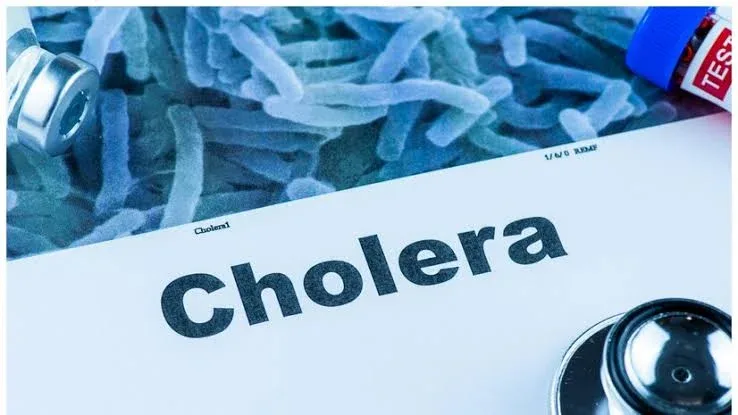
Cholera is an acute diarrhoeal infection caused by consuming food or water contaminated with the bacterium Vibrio cholerae. Although it can cause severe illness and become life-threatening within hours in serious cases, prompt access to oral rehydration and other appropriate medical treatment can prevent most deaths.
Pezzoli stressed that the tools required to prevent and treat the disease already exist, but reaching affected communities quickly remains a major challenge.
The WHO and its partners, including the vaccine alliance Gavi, are working towards a 90 per cent reduction in global cholera cases by 2030 through vaccination programmes, improved disease surveillance, access to rapid diagnostic testing and investments in water and sanitation infrastructure.
One of the major developments in the global response has been the increased availability of oral cholera vaccines. The International Coordinating Group on Vaccine Provision approved the supply of 71 million doses in 2025, with funding support from Gavi.
The WHO said vaccination campaigns and diagnostic tools are also reaching outbreak-affected areas more quickly, allowing health workers to identify infections earlier and respond before outbreaks spread further.
The organisation is supporting countries in identifying communities and districts where cholera repeatedly resurfaces, with the aim of developing targeted prevention and emergency response plans.
Seven countries accounted for approximately 90 per cent of reported cholera cases and deaths worldwide in 2025. They are Angola, Bangladesh, the Democratic Republic of the Congo, Nigeria, South Sudan, Sudan and Yemen.
Nigeria's inclusion on the list highlights the country's continuing vulnerability to cholera outbreaks, particularly in communities where access to safe drinking water, adequate sanitation and timely healthcare remains limited.
The WHO has acknowledged that progress is being made through vaccination and emergency response programmes, but warned that current efforts are not yet sufficient to eliminate cholera as a major public health threat.
The agency is therefore urging governments and development partners to increase investments in preventive healthcare, strengthen local health systems and expand access to safe water and sanitation.
While the 2030 target remains within reach, achieving it will require sustained cooperation and long-term interventions, particularly in countries facing conflict, displacement and weak public health infrastructure.
Reporting by TalkNaijaMedia



Reader Comments (0)
No comments yet. Be the first to share your perspective on this report.