


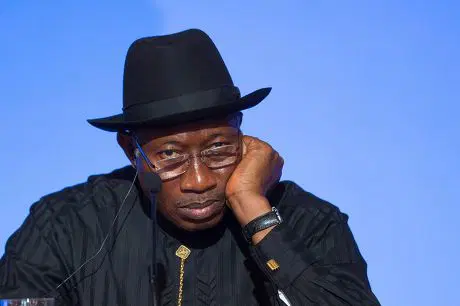
Hassan made the statement during an interview on Arise Television on October 22, 2026, while discussing President Bola Tinubu’s approach to government expenditure and the management of public funds.
According to him, some ministers allegedly treat their appointments as financial investments, with the intention of recovering the money spent to secure their positions after assuming office.
He also suggested that the practice was not limited to the APC administration, arguing that it had existed in Nigeria before the party came to power.
The remarks have raised concerns about the integrity of the ministerial appointment process and the possibility that financial considerations could influence decisions intended to be based on competence, experience and the public interest.
However, Hassan did not identify any minister who allegedly made such payments or provide documentary evidence to substantiate the claim. His statement therefore remains an allegation that requires independent investigation.
The controversy has also drawn attention to the circumstances surrounding former Kaduna State Governor Nasir El-Rufai, whose legal troubles have generated considerable political debate.
El-Rufai came under investigation following comments he made during an Arise Television interview on February 13, 2026, in which he said that he and his associates had listened to telephone conversations involving National Security Adviser Nuhu Ribadu.
The Department of State Services subsequently filed charges against the former governor over the alleged unlawful interception of the NSA’s communications and related offences.
El-Rufai denied the charges and challenged the prosecution’s case. However, on October 26, 2026, the Federal High Court in Abuja dismissed his no-case submission, ruling that the prosecution had presented sufficient evidence for him to be called upon to enter his defence. The court adjourned the matter until November 25.
The ruling does not amount to a conviction, as the case remains before the court.
The contrasting circumstances surrounding Hassan’s public remarks and El-Rufai’s prosecution have fuelled discussions about consistency in the application of accountability measures. Nevertheless, the two cases involve different allegations and legal circumstances, and any comparison must take those differences into account.
Beyond the immediate political controversy, Hassan’s statement has renewed attention to the broader question of whether financial inducements influence appointments to public office in Nigeria.
If individuals pay substantial sums to secure government positions, such arrangements would raise serious concerns about the integrity of public administration. They could also create incentives for appointees to prioritise personal financial interests over their responsibilities to citizens.
Ministerial appointments are intended to provide the government with the expertise and leadership needed to implement policies, manage public resources and deliver essential services. Any credible evidence that appointments are being sold would therefore warrant scrutiny by the appropriate investigative and anti-corruption authorities.
The allegation also highlights the importance of transparency in political appointments. Clear procedures, effective oversight and credible investigations are essential to ensuring that public offices are not treated as private investments.
The same concerns extend to electoral practices, particularly vote-buying. When political support is obtained through financial inducements, questions arise about whether elected officials will remain accountable to the electorate after assuming office.
A political system that encourages financial transactions in exchange for appointments or votes risks weakening public trust and undermining democratic accountability.
For that reason, Hassan’s comments present an opportunity for the relevant authorities to establish the facts. An impartial investigation could determine whether the alleged payments occurred, identify any individuals involved and establish whether any laws were violated.
The Presidency and the APC leadership also face questions about how they intend to respond to the allegation. A transparent response would help clarify whether the claim reflects verifiable misconduct or an unsubstantiated generalisation about Nigeria’s political system.
Likewise, the appropriate security and anti-corruption agencies must ensure that any investigation is guided by evidence and due process rather than political affiliation.
Ultimately, tackling corruption requires more than public statements or political accusations. It demands credible investigations, consistent enforcement of the law and institutions capable of holding individuals accountable regardless of their position or party.
Hassan’s allegation remains unproven, but its seriousness makes it worthy of careful examination. Nigerians deserve a public service in which appointments are based on merit and public interest, rather than financial considerations.
Reporting by TalkNaijaMedia



Reader Comments (0)
No comments yet. Be the first to share your perspective on this report.